Golden seared chicken breasts tucked into a bright tomato basil skillet sauce are the kind of dinner that earns repeat requests without trying too hard. The chicken stays juicy because it’s pulled from the pan as soon as it hits temperature, then tucked back into the sauce just long enough to pick up the juices from the tomatoes, wine, and basil. The result is clean, savory, and just rich enough from the Parmesan and olive oil to feel finished.
What makes this version work is the order. The chicken gets a hard sear first, which builds flavor in the pan, then the garlic goes in briefly so it stays sweet instead of bitter. Cherry tomatoes burst in their own time, which gives you a sauce that tastes fresh and layered instead of canned or heavy. A splash of white wine adds brightness, and the balsamic vinegar pulls the tomatoes into sharper focus without making the dish taste sweet.
Below, I’ve included the one thing that matters most when you’re cooking chicken breasts in a skillet, plus the swaps that still keep the sauce tasting balanced when you need to adapt it.
The tomatoes burst down into the pan sauce exactly like you said, and the chicken stayed juicy instead of drying out. My husband kept spooning the sauce over everything and asked if we could have it again next week.
Save this tomato basil chicken breasts recipe for the night you want golden chicken, burst tomatoes, and a fast skillet sauce with almost no cleanup.
The Reason This Skillet Chicken Stays Juicy Instead of Drying Out
A chicken breast can go from perfect to chalky in a minute, which is why this recipe relies on two short cooking windows instead of one long one. The first sear builds color and flavor, but the chicken doesn’t sit in the pan until the end. That matters because the pan sauce keeps cooking while you finish the tomatoes and wine, and the chicken only needs a brief return to warm through and soak up the sauce.
The other detail that saves this dish is the temperature. Medium-high heat gives you a clean sear, but if the pan runs too hot, the garlic scorches before the tomatoes have time to break down. You want golden chicken, softened tomatoes, and a sauce that looks glossy rather than watery.
- Pull the chicken at 165°F. That’s the line between juicy and dry. If you wait for the sauce to finish before checking, the breasts will keep climbing in temperature off the heat.
- Let the tomatoes do the thickening. Their juices plus the wine make the base of the sauce, so there’s no need for flour or cream here.
- Keep the garlic brief. Thirty seconds in the hot pan is enough. Any longer and it turns harsh, which throws off the fresh basil at the end.
What Each Ingredient Is Actually Doing in This Dish
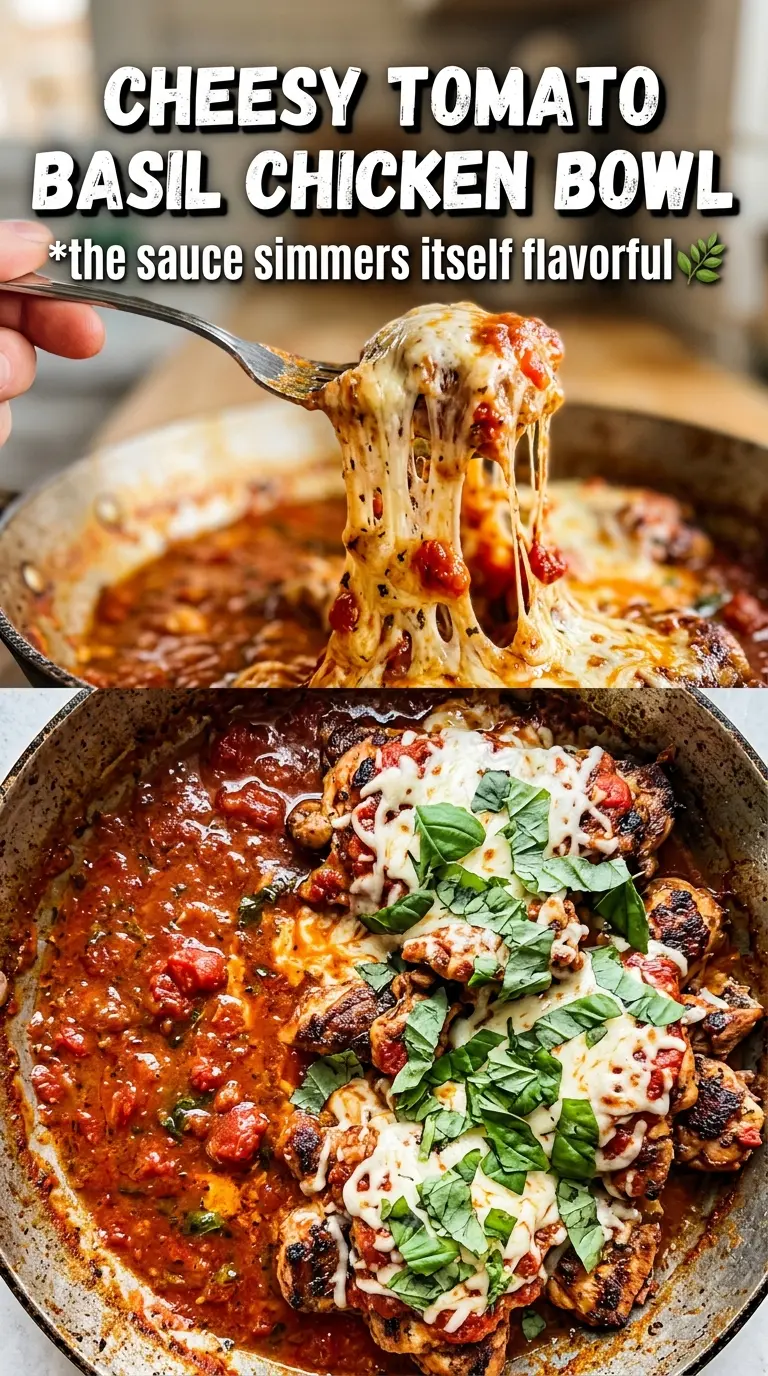
- Chicken breasts — Boneless, skinless breasts give you a lean base that cooks fast. If yours are thick on one end and thin on the other, pound them to even thickness so the smaller end doesn’t dry out before the thick end is done.
- Cherry tomatoes — These are the heart of the sauce. They burst into a sweet, juicy pan sauce that tastes fresher than diced canned tomatoes for this style of dish.
- Dry white wine or chicken broth — Wine adds brightness and depth, but broth works well if you want to skip alcohol. Use broth when you want a milder sauce; use wine when you want the tomatoes to taste sharper and more layered.
- Balsamic vinegar — This doesn’t make the dish sweet. It sharpens the tomato flavor and gives the sauce a little roundness so it tastes finished.
- Fresh basil — Dried basil won’t give the same lift here. The fresh leaves get added at the end so they stay green and fragrant instead of turning dark in the pan.
- Parmesan cheese — Shaved Parmesan melts just enough on contact with the hot chicken and sauce. Grated Parmesan works in a pinch, but shaved gives a nicer finish and doesn’t disappear as fast.
Getting the Sauce Glossy Without Overcooking the Chicken
Season and Sear the Chicken
Pat the chicken breasts dry first, then season both sides generously with salt, pepper, garlic powder, and Italian seasoning. Lay them into the hot olive oil and leave them alone until the first side releases with a deep golden crust. If you move them too early, they’ll tear and you’ll lose the color that gives the sauce its backbone.
Wake Up the Tomatoes
After the chicken comes out, the garlic goes into the same pan for just a short burst, then the cherry tomatoes follow. They should sizzle and soften, then start splitting and collapsing into a glossy mixture. If the pan looks dry, the heat is too low; if the garlic darkens fast, pull the pan off the burner for a few seconds before the tomatoes go in.
Build the Pan Sauce
Pour in the wine or broth and let it bubble for about a minute so the sharp edge cooks off and the browned bits dissolve into the liquid. Stir in the Italian seasoning, red pepper flakes, and balsamic vinegar. By the end, the sauce should coat the back of a spoon lightly, not look thin and separate.
Finish Gently
Return the chicken to the skillet and spoon the sauce over the top for a couple of minutes until everything is hot. Add the basil at the end so it stays fresh and bright, then finish with shaved Parmesan and a little extra olive oil. If the cheese goes in too early, it melts away into the pan instead of sitting on top where you can taste it.
How to Adapt This When You’re Out of Wine, Dairy, or Time
Skip the Wine and Use Broth Instead
Chicken broth keeps the sauce savory and balances the tomatoes without adding alcohol. You’ll lose a little of the acidity and depth that wine brings, so the balsamic matters a bit more here.
Make It Dairy-Free
Leave off the Parmesan and finish with a drizzle of good olive oil and a little extra basil. The dish still tastes complete because the sauce already has enough body from the tomatoes and pan juices.
Use Chicken Thighs for a Richer Result
Boneless thighs stay juicier and give you a deeper savory finish, but they need a few extra minutes in the pan. Cook them until the center reaches temperature, then spoon the sauce over them the same way.
What to Do With Leftovers
This reheats well for lunch, especially if you rewarm it slowly so the chicken doesn’t tighten up. Add a splash of broth or water to loosen the sauce before heating, because the tomatoes will thicken a little in the fridge.
Storage and Reheating
- Refrigerator: Store in an airtight container for up to 4 days. The sauce will thicken a little, but the flavor holds up well.
- Freezer: Freeze for up to 2 months if needed, though the tomatoes will soften more after thawing. Slice the chicken before freezing for easier reheating.
- Reheating: Warm gently in a covered skillet over low heat with a splash of broth. High heat dries out the chicken fast and makes the basil lose its freshness.
Answers to the Questions Worth Asking
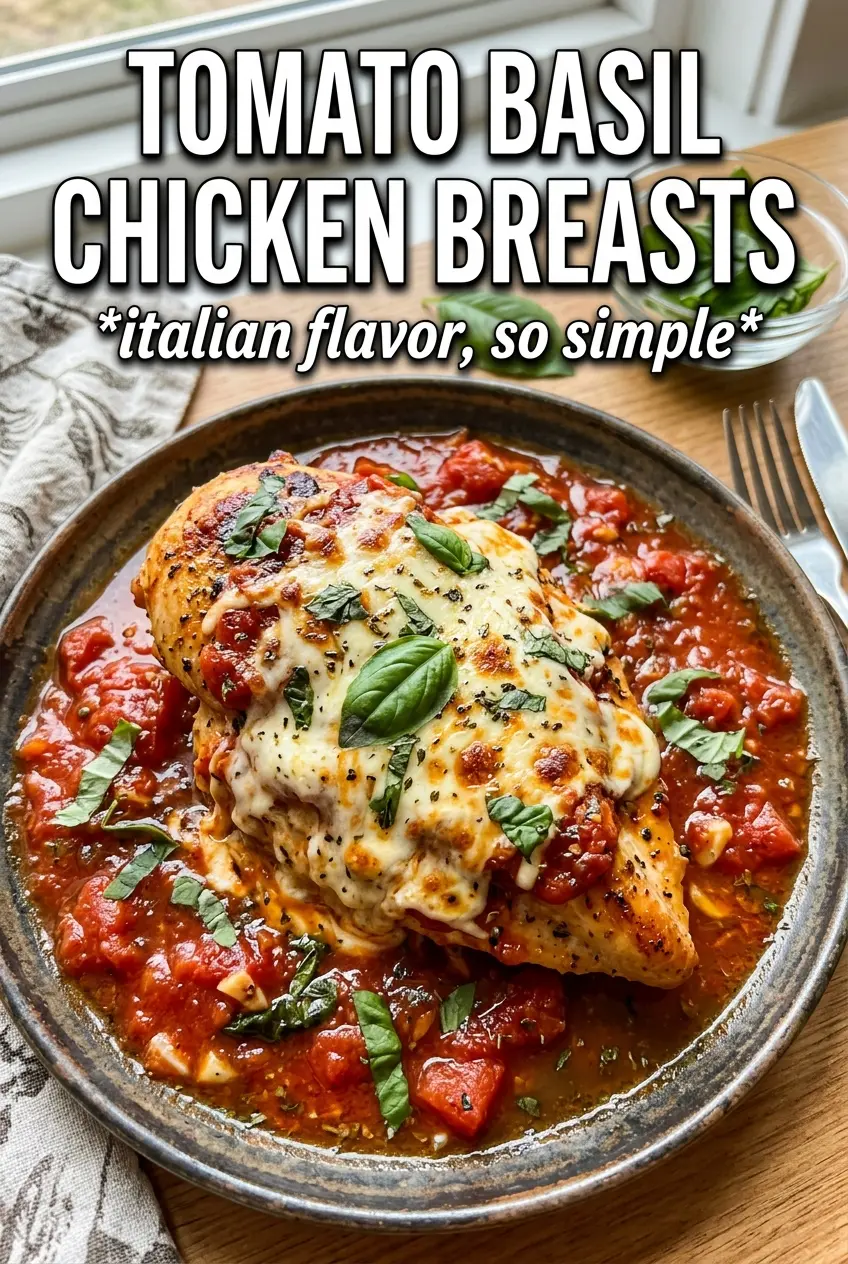
Tomato Basil Chicken Breasts
Ingredients
Equipment
Method
- Season the boneless skinless chicken breasts with salt, black pepper, garlic powder, and Italian seasoning to taste. Heat 2 tablespoons olive oil in a large cast iron skillet over medium-high heat until shimmering.
- Add the chicken to the skillet and sear for 5-6 minutes per side until golden. Cook until the internal temperature reaches 165°F, then remove to a plate.
- In the same pan, cook the minced garlic for 30 seconds until fragrant. Add the halved cherry tomatoes and cook for 3-4 minutes until they burst and release their juices.
- Pour in the dry white wine (or chicken broth) and let it bubble for 1 minute, scraping up browned bits. Stir in the dried Italian seasoning, red pepper flakes, and balsamic vinegar.
- Return the chicken breasts to the pan and spoon the tomato sauce over each breast. Simmer for 2 minutes.
- Scatter the chiffonade fresh basil over the top and let it wilt slightly in the hot sauce. Finish with shaved Parmesan and an extra drizzle of olive oil before serving.