Perfectly grilled salmon lands on the plate with crisp skin, tender flakes, and just enough char to make the whole fillet taste bigger than the few ingredients that go into it. The short marinade gives it a bright, savory edge without hiding the fish, and the skin-on fillets hold together on the grill instead of drying out or falling apart before you can get that clean flip.
The trick here is restraint. Olive oil keeps the salmon moist, lemon juice and Dijon bring enough acidity to wake it up, and garlic adds depth without burning if you keep the marinade short. The grill needs to be hot and the grates well oiled, but once the fish is down, don’t fuss with it. That’s how you get the skin to release cleanly and the flesh to stay intact.
Below, I’ve included the little details that matter most: how to avoid sticking, when the salmon is done, and what to change if your fillets are thicker or thinner than average.
The salmon skin got crisp without sticking, and the Dijon-lemon marinade kept the fish moist even on my slightly hotter grill. I pulled it at 7 minutes and it flaked perfectly.
Save this grilled salmon for the nights when you want crisp skin, flaky fish, and dinner on the table fast.
Why the Skin-On Fillet Changes Everything on the Grill
Skin-on salmon is the difference between a fillet that holds together and one that tears the second it hits the grates. The skin acts like a shield on the first side, giving the flesh enough time to firm up before you try to move it. If you start with skinless salmon here, you lose that protection and the chances of sticking go way up.
The other piece people miss is timing. This fish is supposed to spend most of its time skin-side down. That first uninterrupted stretch does the heavy lifting: it crisps the skin, cooks the fish from the bottom up, and makes the final flip quick and clean. If your salmon is sticking, it usually means the grill wasn’t hot enough or the fish was moved too soon.
- Medium-high heat gives you the sear you need without blasting the outside before the center catches up.
- Oiled grates matter more than extra marinade. The fish needs a slick surface to release cleanly.
- Short marinating time is enough here. Too long in the lemon mixture and the surface texture starts to turn soft.
What Each Ingredient Is Actually Doing in This Dish
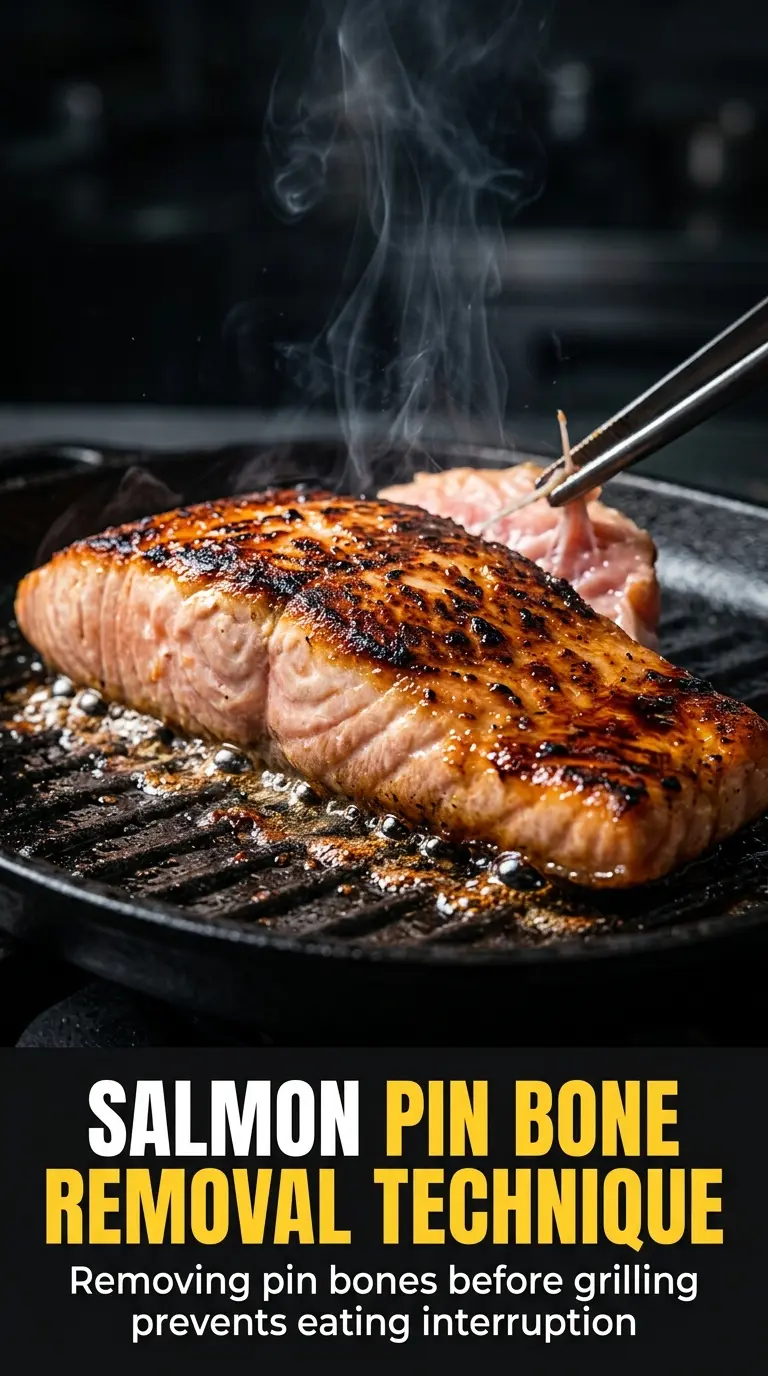
- Salmon fillets — Choose skin-on fillets with even thickness so they cook at the same pace. Thicker center-cut pieces are easiest to grill, but any fillet works as long as you watch the doneness at the thickest part.
- Olive oil — This keeps the fish moist and helps the seasoning cling. You don’t need a fancy bottle here; a good everyday olive oil is enough.
- Lemon juice — It brightens the salmon and cuts the richness. Fresh lemon is worth using because bottled juice can taste flat and a little bitter.
- Dijon mustard — Dijon adds sharpness and helps emulsify the marinade so it spreads evenly. There isn’t a true substitute that behaves the same way, but whole-grain mustard works if that’s what you have.
- Garlic — Mince it finely so it stays on the fish instead of falling through the grill grates. Large pieces can scorch, so keep the chop small.
- Dill and lemon wedges — These finish the dish with freshness. Dill works especially well with salmon, but parsley is a fine backup if that’s what’s in the fridge.
Getting the Salmon Off the Grill in One Piece
Mixing the Marinade
Stir the olive oil, lemon juice, garlic, Dijon, salt, and pepper until the mixture looks slightly creamy and loose. That little bit of emulsion helps the seasonings coat the fish evenly instead of sliding off. If the garlic is left in big pieces, it can burn on the grill, so mince it fine from the start.
Giving the Fish Just Enough Time to Sit
Brush the marinade over the salmon and let it rest for 15 minutes, no longer. That short rest seasons the surface and starts to lightly firm the flesh without turning it mushy. If you leave it much longer, the lemon starts to change the texture of the fish in a way that works against grilling.
Building a Hot, Slick Grill Surface
Preheat the grill to medium-high and oil the grates well before the salmon goes anywhere near them. A clean, hot grate is what lets the skin release instead of tearing. If you try to cook on a cooler grill, the fish is more likely to cling and break when you move it.
Cooking Mostly on the Skin Side
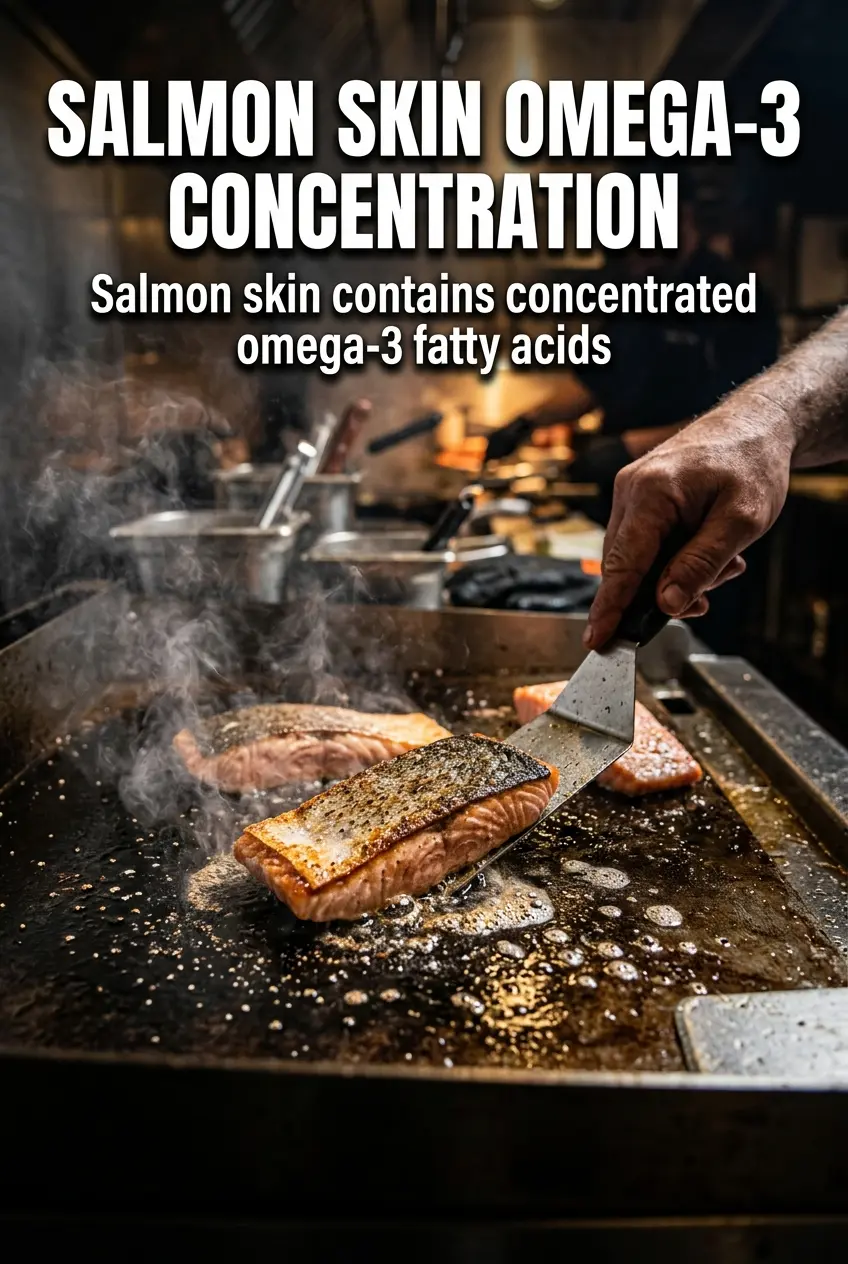
Place the salmon skin-side down and leave it alone for 6 to 8 minutes. You’re looking for opaque edges, firming flesh, and skin that pulls away easily when nudged with a spatula. If the fish resists, it isn’t ready yet. Forcing it early is how you lose the skin and leave half the fillet behind on the grill.
Finishing with a Fast Flip
Turn the salmon carefully and cook it for 2 to 3 minutes on the second side. That last bit finishes the top without drying out the center. The best sign that it’s done is flesh that flakes at the thickest part but still looks moist in the middle; overcooked salmon goes chalky fast.
How to Adapt This Grilled Salmon Without Losing the Good Part
Dairy-Free and Naturally Gluten-Free
This recipe already fits both diets as written, which is part of why it works so well for an everyday dinner. Keep the mustard and oil-based marinade as-is, and the salmon stays bright, rich, and clean tasting without needing any dairy or flour-based coating.
Using a Broiler Instead of an Outdoor Grill
If the weather or your setup won’t cooperate, place the salmon skin-side down on an oiled foil-lined sheet pan and broil it a few inches from the heat. You won’t get the same smoky grill flavor, but you’ll still get browned edges and a moist center. Watch it closely, because broilers move from perfect to overdone in a minute.
Swapping in a Different Herb
Dill gives the salmon that classic fresh finish, but parsley, chives, or tarragon all work if you want a different direction. Parsley keeps it mild, chives add a light onion note, and tarragon leans more aromatic and a little sweet.
Storage and Reheating
- Refrigerator: Store leftovers in an airtight container for up to 3 days. The skin softens in the fridge, but the fish stays good for bowls, salads, or wraps.
- Freezer: Cooked salmon freezes, but the texture gets a little softer after thawing. Wrap it tightly and freeze for up to 2 months if you want to use it later in flakes or mixed dishes.
- Reheating: Warm it low and slow in a 275°F oven, covered loosely with foil, until just heated through. High heat dries salmon out fast, so skip the microwave unless you don’t mind a firmer texture.
Questions I Get Asked About This Recipe
The Best Grilled Salmon
Ingredients
Equipment
Method
- Mix olive oil, lemon juice, garlic, Dijon mustard, salt, and pepper until evenly combined and glossy.
- Brush the salmon with the marinade, coating the flesh side while keeping the skin ready for crisping.
- Let the salmon sit for 15 minutes so the flavors soak in and the surface looks lightly coated.
- Preheat the grill to medium-high heat and oil the grates well until they look slick.
- Place the salmon skin-side down on the grill with grill marks starting to form at the edges.
- Grill for 6-8 minutes skin-side down without moving, until the skin is crisp and the flesh looks mostly opaque around the sides.
- Carefully flip the salmon and grill for 2-3 minutes until cooked to desired doneness, with the center still tender and flaky.
- Serve the grilled salmon immediately with fresh dill and lemon wedges for bright finishing flavor.