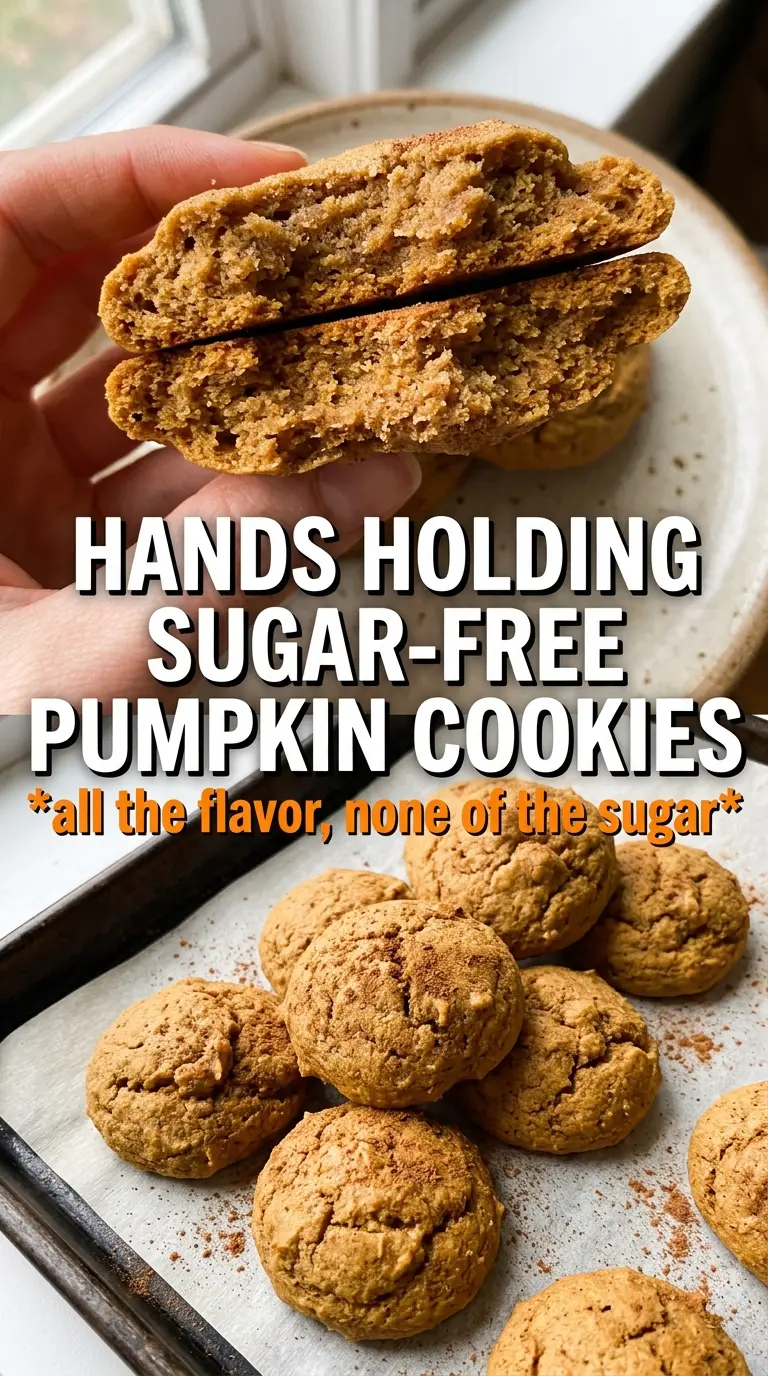
Pumpkin spice cookies can turn flat and cakey fast, but these stay soft at the center with lightly set edges and a warm cinnamon finish that tastes like fall without the sugar crash. The trick is in the balance: enough pumpkin for flavor and tenderness, but not so much moisture that the dough spreads into puffy little pancakes. You end up with a cookie that feels cozy and familiar, not like a compromise.
Blotting the pumpkin puree is the part that saves this recipe. Pumpkin brings a lot of water, and if you stir it in straight from the can, the dough gets loose and the cookies bake up more like muffins. Erythritol or monk fruit sweetener gives the right sweetness for the cookie itself, while the powdered glaze ties everything together without needing regular sugar.
Below, I’ve included the exact texture cues I watch for, plus the best flour swap if you want a lower-carb version. The glaze is optional in theory, but in practice it’s the part that makes these feel finished.
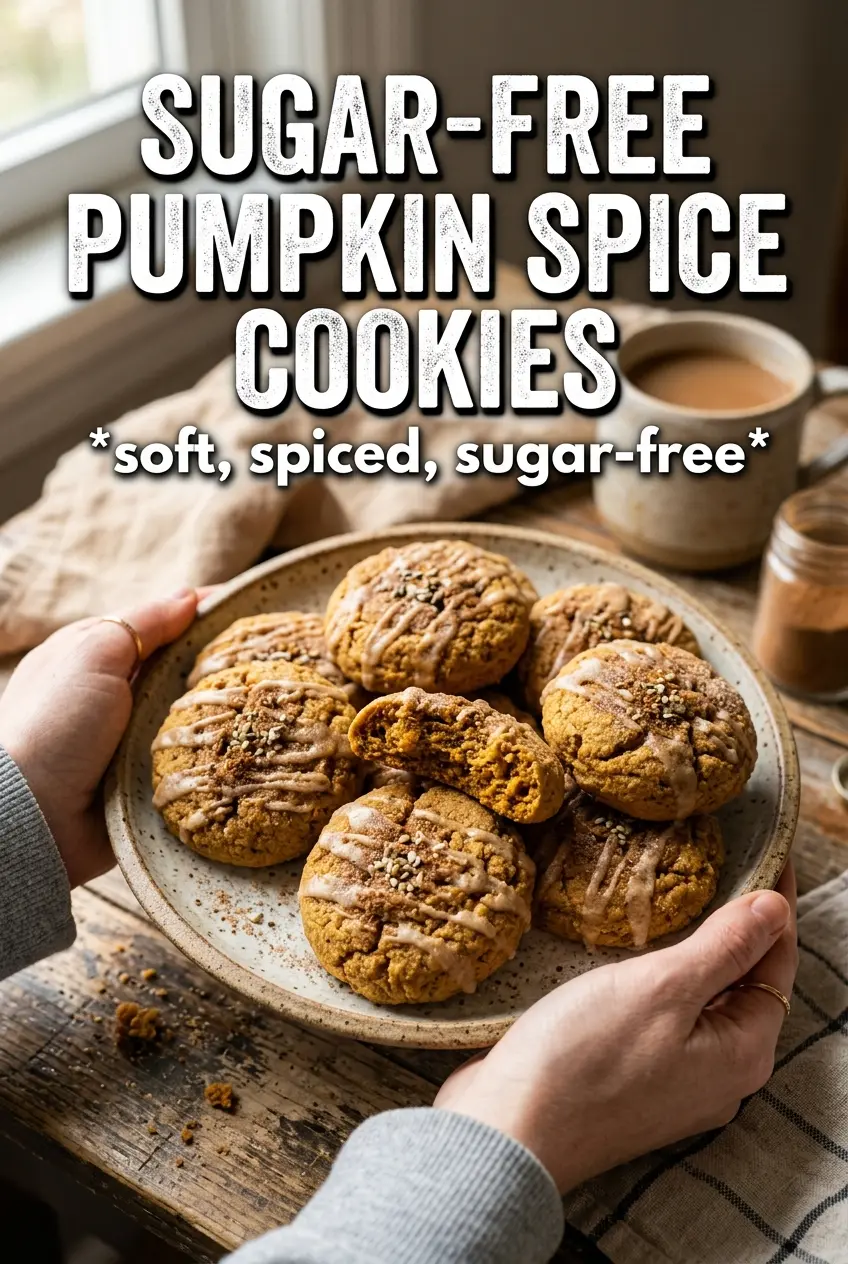
The cookies held their shape, stayed soft for days, and the maple-cinnamon glaze made them taste like a bakery cookie without any sugar at all.
Save these sugar-free pumpkin spice cookies for the days when you want a soft, glazed cookie with real pumpkin flavor and no sugar.
The Moisture Problem That Makes Sugar-Free Pumpkin Cookies Go Soft
Pumpkin cookie dough fails for one reason more than any other: there’s too much water in the pumpkin. Sugar-free sweeteners don’t pull moisture the same way sugar does, so if you use the pumpkin puree straight from the can, the dough can spread too much and bake up pale and gummy in the middle. Blotting the pumpkin first changes the texture before the batter even goes into the oven.
That matters even more here because the cookies are meant to be soft, not wet. You want the edges set and the centers just firm enough to hold their shape as they cool. Pull them too late and they lose that tender middle. Pull them too early and they taste underbaked instead of plush.
- Blotted pumpkin puree — This is the difference between a cookie dough that scoops cleanly and one that slumps on the tray. Press the puree between paper towels until it looks thicker and more like paste than sauce.
- Erythritol or monk fruit sweetener — Granulated sugar alternatives work well for the cookie dough because they dissolve enough during mixing and baking to give structure and sweetness. Powdered sweetener is better for the glaze because it blends smooth instead of staying gritty.
- Butter — Softened butter traps air when you beat it with the sweetener, which helps the cookies bake up lighter. If the butter is melted, the dough spreads more and you lose that soft-cookie shape.
What Each Ingredient Is Actually Doing in These Cookies
- All-purpose flour — This gives the cookies their familiar bakery-style bite. If you swap in almond flour, the cookies will be more tender and a little more fragile, but they’ll also be lower carb. Use the same volume, then expect a softer, more delicate crumb.
- Pumpkin pie spice and cinnamon — The pumpkin pie spice carries the clove, ginger, and nutmeg notes, while the extra cinnamon sharpens the finish so the cookies don’t taste flat. If your spice blend is old, the cookies will still bake fine, but the flavor will fade fast.
- Maple extract — This is what gives the glaze-and-cookie combo that warm maple note without adding sugar. It matters here because pumpkin spice alone can taste one-dimensional, especially in sugar-free baking.
- Egg — The egg binds the dough and helps the cookies set in the center without crumbling. There isn’t a clean substitute here if you want the same structure.
Mixing the Dough So the Cookies Stay Soft, Not Puffy
Beat the butter and sweetener until the mixture looks lighter
Start with softened butter and beat it with the granulated sweetener until it looks pale and slightly fluffy. You’re not trying to whip air into it like meringue, but you do want the mixture to lighten, because that gives the cookies a better lift and a less dense bite. If the butter still feels cold, the sweetener won’t blend well and the dough will look grainy.
Add the pumpkin only after it has been blotted dry
Stir in the egg, vanilla, maple extract, and the dried pumpkin puree. The dough should look thick, almost like a very soft drop-cookie batter, not runny. If it looks wet at this point, stop and blot the pumpkin again instead of reaching for more flour, because extra flour can make the cookies dry and chalky.
Fold in the dry ingredients just until no flour streaks remain
Mix in the flour, baking soda, pumpkin pie spice, cinnamon, and salt until the dough comes together. Overmixing here makes the cookies tougher and can push too much air into the dough, which leads to extra spread. Scoop the dough right away so it doesn’t sit long enough to loosen up.
Bake until the tops look set and the centers still feel soft
Use 1 1/2-tablespoon scoops and bake until the edges are set and the tops no longer look wet, about 10 to 12 minutes. The cookies should look slightly underdone in the center when they come out; they finish setting on the pan as they cool. If you wait for deep browning, they’ll dry out before the pumpkin spice has a chance to shine.
How to Adapt These Cookies Without Losing the Soft Center
Lower-carb almond flour version
Swap the all-purpose flour for almond flour in the same amount for a softer, more tender cookie with a slightly nuttier taste. The dough will be more fragile and the cookies will spread less, so handle them gently and let them cool completely before moving them.
Dairy-free version
Use a good plant-based butter block instead of regular butter. The spread and texture will be close, but the flavor will be a little less rich, so keep the vanilla and maple extract in the recipe; they help carry the pumpkin spice notes.
Skip the glaze for a less-sweet finish
The cookies are still good on their own, especially if you want the pumpkin spice and maple flavor to come through more clearly. Without the glaze, the cookies taste a little more like a soft breakfast-style cookie and less like a bakery dessert.
Storage and Reheating
- Refrigerator: Store in an airtight container for 4 to 5 days. They stay soft, but the glaze can soften into the cookie slightly over time.
- Freezer: Freeze the unglazed cookies for up to 2 months. Thaw at room temperature, then glaze after thawing for the cleanest texture.
- Reheating: Warm one cookie at a time for 8 to 10 seconds in the microwave if you want that just-baked softness. Don’t overheat them or the sweetener can make the texture dry and a little firm.
Questions I Get Asked About This Recipe
Sugar-Free Pumpkin Spice Cookies
Ingredients
Equipment
Method
- Preheat oven to 350°F and line baking sheets with parchment or a silicone mat; this prevents sticking and helps the cookies bake evenly.
- Blot the pumpkin puree dry, then beat softened butter and granulated erythritol or monk fruit sweetener until as fluffy as possible, incorporating air for a lighter texture.
- Add blotted pumpkin puree, egg, vanilla, and maple extract and mix until the batter looks smooth and evenly colored.
- Fold in all-purpose flour, baking soda, pumpkin pie spice, cinnamon, and salt just until no dry streaks remain.
- Scoop 1-1/2 tablespoon rounds onto the lined baking sheets, spacing them apart so they spread without merging.
- Bake at 350°F for 10-12 minutes until the cookies are set around the edges and look lightly set in the centers.
- Cool the cookies completely before glazing so the drizzle holds its shape.
- Whisk powdered erythritol, milk, and cinnamon for the sugar-free glaze, then drizzle over the cooled cookies.