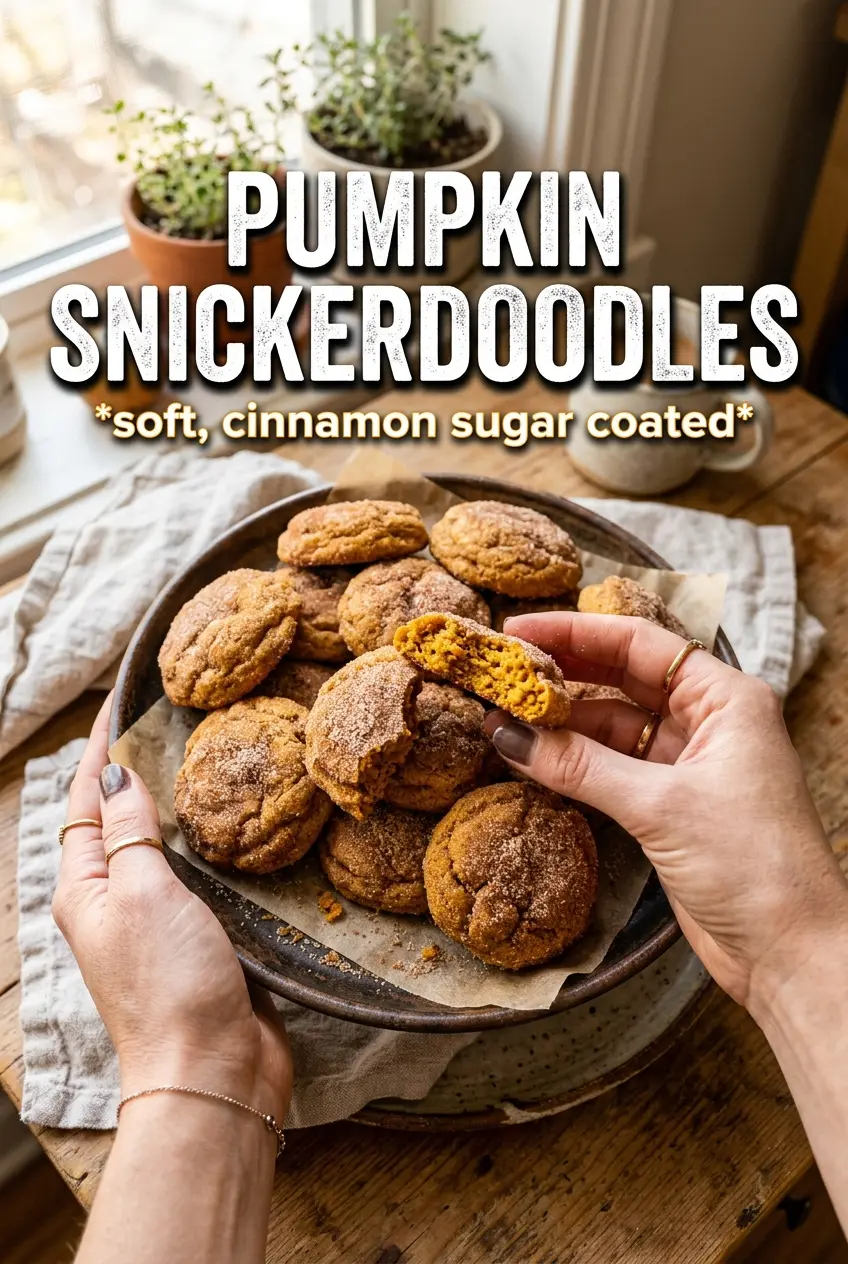
Pumpkin snickerdoodles bake up with the soft center and crackly sugar crust people want from a classic snickerdoodle, but with a warm pumpkin spice note that never takes over. The edges turn lightly caramelized, the tops crinkle as they bake, and the middle stays pillowy instead of cakey when the dough is handled the right way.
The trick is keeping the pumpkin dry and the dough balanced. Pumpkin adds flavor and color, but it also brings moisture that can flatten the cookies and soften the sugar coating, so blotting it well matters more than adding extra spice. Cream of tartar gives these cookies their signature tang and that familiar snickerdoodle chew, while the cinnamon-sugar roll bakes into a thin, crisp shell.
Below, I’m walking through the two details that matter most for texture, plus the few small adjustments that keep the cookies soft in the center without turning them into muffin tops.
The pumpkin flavor came through without making them cakey, and the crinkled tops stayed crisp around the edges. Blotting the puree first made all the difference.
Save these pumpkin snickerdoodles for the batch that bakes up soft, crinkled, and coated in cinnamon sugar.
The Pumpkin Moisture Problem That Changes Everything
Most pumpkin cookie recipes go soft in the wrong way because the dough starts too wet. Pumpkin puree carries a lot of water, and if that water stays in the dough, the cookies spread too much and lose the crackled snickerdoodle finish. Blotting the puree until it looks thick and almost paste-like is what keeps these cookies from baking up like little cakes.
Cream of tartar matters here too. It gives snickerdoodles their gentle tang and helps create that familiar chewy texture, but it also plays nicely with the baking soda to encourage lift without making the cookies puff and collapse. If your cookies are too domed, the dough was probably overmixed or the pumpkin was still wet.
- Butter: Use softened butter, not melted butter. You need air beaten into the butter and sugar so the cookies spread in a controlled way instead of puddling.
- Pumpkin puree: Blot it hard on paper towels before it goes into the bowl. This is the difference between a cookie with crinkled edges and one that bakes up gummy.
- Cream of tartar: Don’t skip it if you want a true snickerdoodle texture. It brings the slight tang and the chew that set this cookie apart from a standard pumpkin sugar cookie.
What Each Ingredient Is Doing in These Cookies
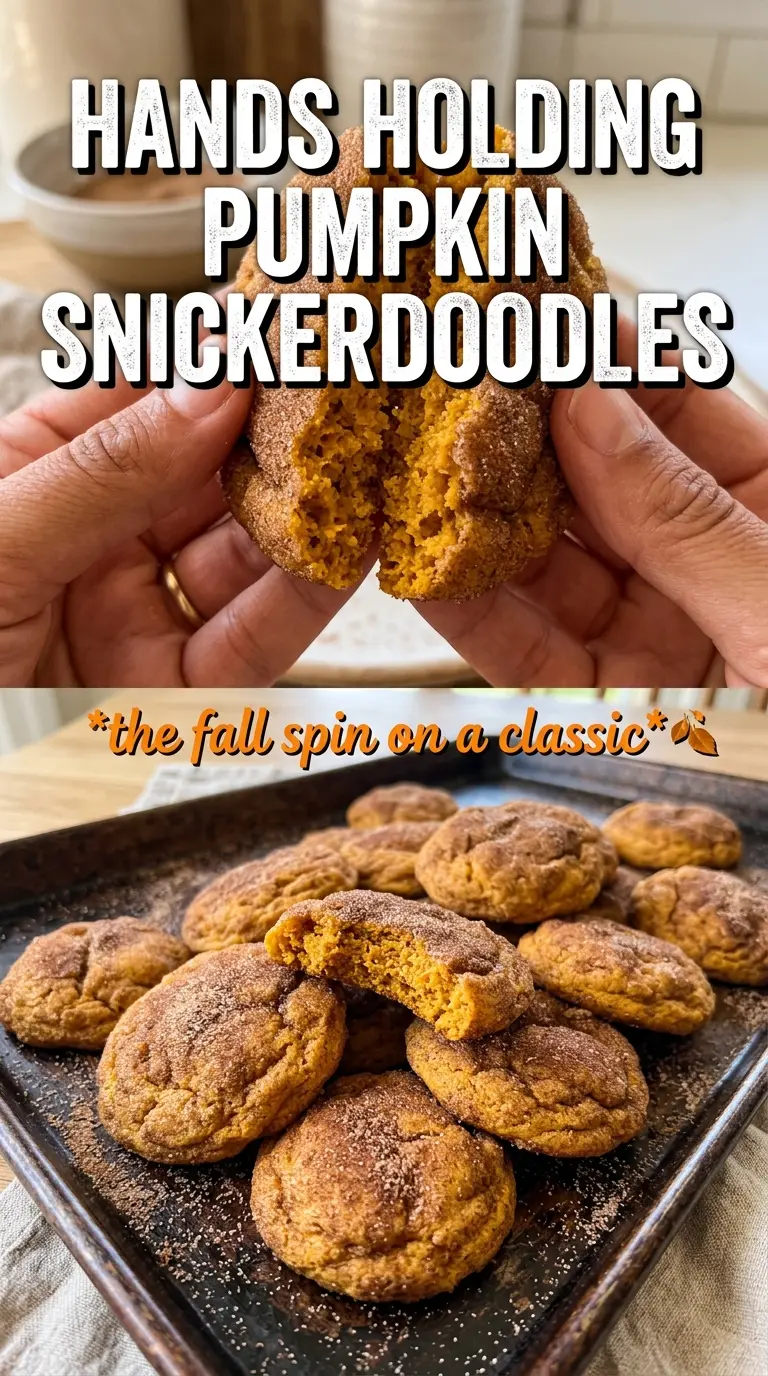
- All-purpose flour: This gives the cookies enough structure to hold the pumpkin without going cakey. Measure it lightly, because packed flour makes dry cookies that won’t spread enough.
- Cinnamon, nutmeg, and allspice: These round out the pumpkin without overpowering it. The rolling mixture adds a brighter spice hit on the outside, which is where the first bite hits.
- Egg: One egg binds the dough and gives it enough richness to stay tender. More than that would push the texture toward cake.
- Granulated sugar: Sugar inside the dough and in the coating both matter. In the dough, it helps the cookies spread; outside, it creates the crackly, lightly crisp shell.
- Vanilla: Vanilla smooths out the pumpkin and spice so the cookies taste rounder, not sharp. It’s a small ingredient, but it keeps the flavor from feeling one-note.
How to Keep the Centers Soft and the Edges Crinkled
Building the Base
Beat the butter and sugar until the mixture looks pale and fluffy, not just combined. That step gives the cookies their lift and helps the edges set before the centers dry out. When you add the egg and pumpkin, mix only until the batter looks smooth, because overbeating after the flour goes in makes the cookies tough.
Mixing the Dough Without Overworking It
Once the flour mixture goes in, fold it just until no dry streaks remain. The dough should be soft but scoopable, not sticky enough to cling to your hands in a heavy layer. If the dough feels loose, chill it for a short stretch rather than adding flour, which would make the cookies dry.
The Cinnamon-Sugar Roll
Use a generous coating and press each dough ball lightly into the sugar mixture so the surface is fully covered. That coating is what gives the cookies their signature crinkled look as they bake. If the coating is thin, the tops bake more evenly and you lose the contrast between the spicy shell and the soft center.
Baking Until the Middle Still Looks Soft
Pull the cookies when the edges are set and the centers still look slightly underdone. They finish setting on the hot pan, and that carryover heat is what keeps them tender. If you wait until the centers look fully baked in the oven, they’ll be dry by the time they cool.
How to Adapt These Pumpkin Snickerdoodles Without Losing the Texture
Gluten-Free Version
Use a 1:1 gluten-free baking blend that already contains xanthan gum. The cookies will still brown and crinkle, but they may spread a little less and have a slightly more delicate bite, so don’t overbake them trying to firm them up.
Dairy-Free Swap
Replace the butter with a dairy-free baking stick, not tub spread. Baking sticks behave much closer to real butter in cookies, which matters here because the structure depends on a proper creamed base and controlled spread.
Extra-Spiced Pumpkin Cookies
Add a little more pumpkin pie spice to the rolling sugar if you want a stronger spice finish, but keep the dough itself balanced. Too much spice inside the dough can crowd out the cinnamon-sugar coating, which is part of what makes these taste like snickerdoodles.
Storage and Reheating
- Refrigerator: Store in an airtight container for up to 5 days. The sugar coating softens a little, but the cookies stay chewy.
- Freezer: Freeze baked cookies for up to 2 months, or freeze the scooped dough balls and roll them in sugar right before baking for the best texture.
- Reheating: Warm baked cookies in a 300°F oven for 3 to 5 minutes. The mistake people make is microwaving them, which turns the centers rubbery and melts the sugar coating.