Philly cheesesteak foil packets deliver all the good parts of the sandwich in a form that’s even easier to cook outdoors. The steak stays tender, the peppers and onions soften into the juices, and the cheese melts right over the top instead of disappearing into the pan. When the packets open, you get steam, melted provolone, and that familiar savory smell that makes dinner feel finished before the first bite.
This version works because everything cooks in its own sealed little environment. The vegetables release moisture, the Worcestershire adds depth fast, and the heavy-duty foil keeps the heat steady enough to cook the steak without drying it out. Thin-sliced sirloin is the right cut here because it turns tender in the short cook time; thicker slices would need longer and the vegetables would go soft before the meat was ready.
Below, I’ve included the details that matter most: how to keep the packets from tearing, what to do if you want a sharper cheese finish, and the small changes that make these work just as well in the oven as on the grill.
The steak stayed tender and the peppers still had a little bite, and the cheese melted over everything without making the packets soggy. I served them in rolls and my husband kept saying it tasted like a real cheesesteak from the grill.
Philly Cheese Steak Foil Packet Dinners with melted provolone and tender veggies are perfect for grilling nights when you want dinner packed and ready fast.
The Part That Keeps the Steak Tender Instead of Overcooked
The biggest mistake with foil packet dinners is treating them like a slow braise. They’re not. Sirloin sliced thin cooks fast, and the vegetables need just enough time to soften without going limp. If the steak pieces are thick, they’ll still be tough when the onions are done, which is why thin slicing matters more here than in a skillet version.
The other thing that helps is the sealed packet itself. Steam cooks the vegetables and carries the Worcestershire flavor through everything, but the foil also traps enough moisture that the steak doesn’t dry out. Flip the packets halfway so the heat stays even from both sides; otherwise, the bottom can cook faster than the top and leave the cheese unevenly melted.
- Thin sirloin — This is the cut that gets you a tender result in a 20-minute grill time. Ribeye works too if you want a richer bite, but don’t use a thick cut unless you’re willing to extend the cook time.
- Heavy-duty foil — Standard foil can tear when the packets are turned or opened. Heavy-duty sheets hold up better and seal more reliably, which matters when the packets are full of vegetables and melted cheese.
- Provolone — Provolone melts cleanly and gives you that classic cheesesteak finish. Mozzarella will melt, but it turns milder and stretchier; white American gives a softer melt if you want extra creaminess.
What Each Ingredient Is Actually Doing in These Packets
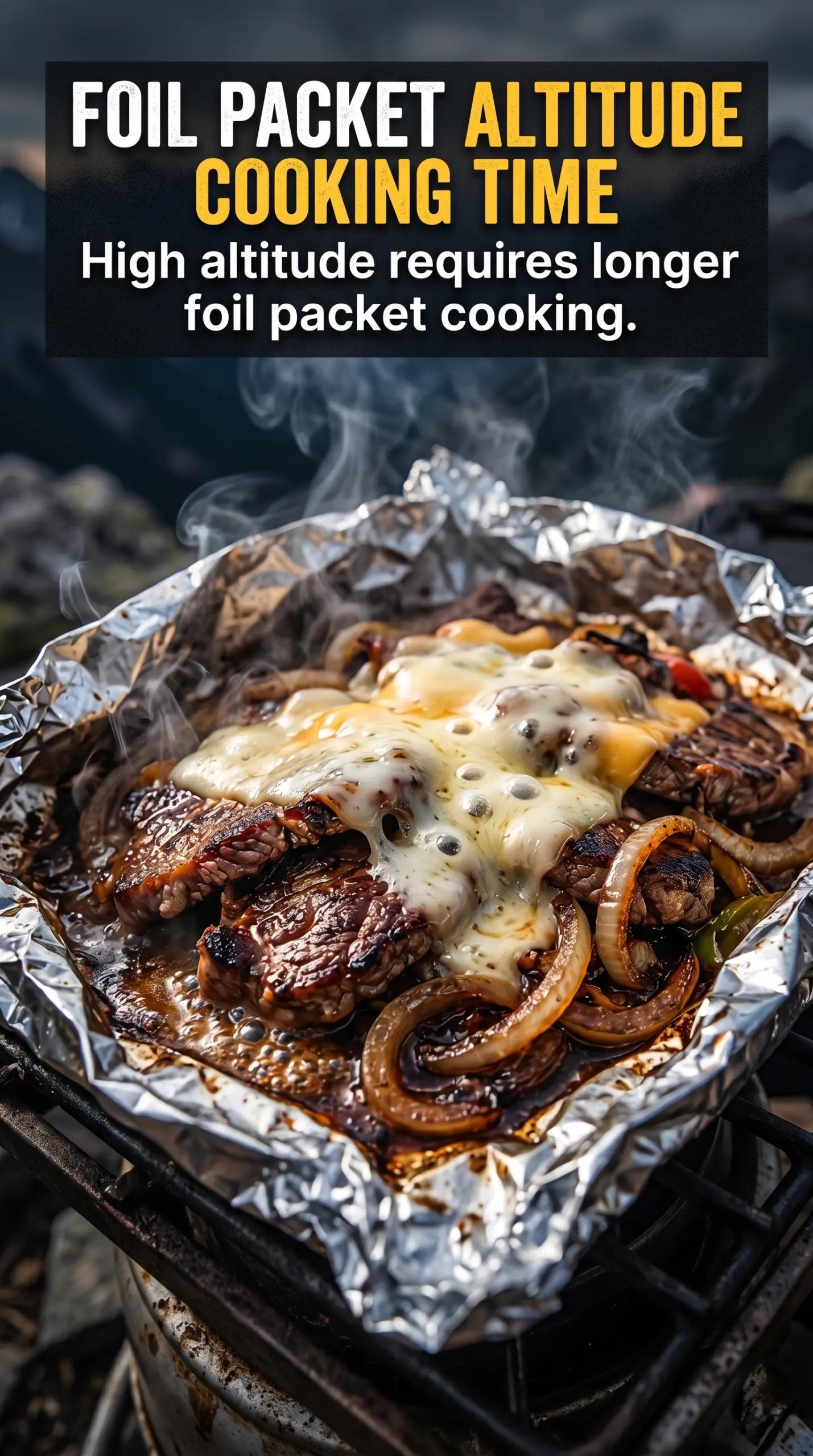
The steak brings the heft, but the vegetables are not filler. Bell peppers and onions turn sweet as they cook, and mushrooms soak up the Worcestershire and beef juices so every bite tastes deeper than the ingredient list looks. If you skip the mushrooms, the packets still work; if you skip the onions, the whole thing loses that cheesesteak backbone.
Worcestershire is doing more than seasoning. It gives the packets salt, tang, and a little umami that stands in for the browned flavor you’d normally get from a hot skillet. Olive oil keeps everything from sticking to the foil and helps the seasonings coat the meat and vegetables evenly. Garlic powder works better here than fresh garlic because it won’t burn or turn sharp over the grill.
- Bell peppers — Any color works, but red and yellow give the sweetest result. Green peppers are more traditional for a cheesesteak flavor and bring a little bitterness that balances the cheese.
- Onion — Slice it thin so it softens in time. Thick wedges stay crunchy, which can be fine in a skillet but feels off in a packet dinner.
- Mushrooms — These are optional, but they add a meaty texture and help keep the filling juicy. If you don’t like them, replace them with more peppers or onions rather than leaving the packets sparse.
- Hoagie rolls — Only use them if you want the sandwich version. The filling is rich enough to serve straight from the foil with a fork.
How to Build the Packets So Nothing Leaks or Overcooks
Layering the Filling
Divide the steak and vegetables evenly so every packet cooks at the same pace. Pile the ingredients in the center of each foil sheet, not spread out to the edges, because the foil needs room to fold into a tight seal. Drizzle the oil and Worcestershire over the top, then season before folding so the flavors coat everything instead of sitting in one corner.
Sealing the Foil
Bring the long sides of the foil together first and fold them down in tight turns, then crimp the short ends. You want a sealed packet, not a loose tent. If steam escapes, the vegetables won’t soften evenly and the cheese won’t melt as cleanly.
Grilling and Flipping
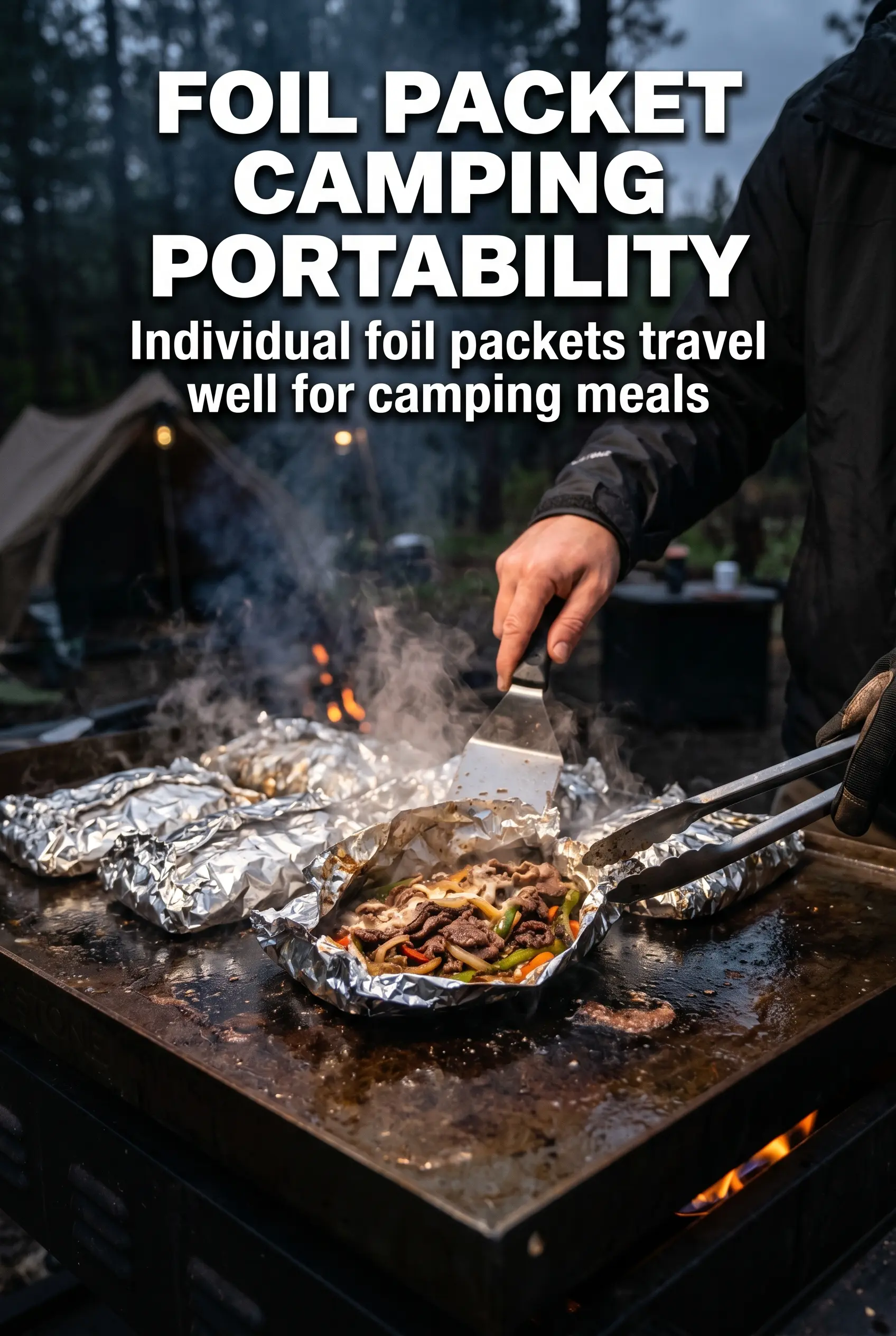
Set the packets over medium heat and leave them alone for the first half of the cook. After about 9 to 10 minutes, flip them carefully with tongs so the bottom doesn’t overcook. The packets are ready when the steak is cooked through, the onions are soft, and the cheese has gone fully glossy and melted.
Opening and Serving
Let the packets sit for a minute before opening them, because the steam inside is hot enough to burn you. Cut a slit in the top or peel the foil back slowly away from your face. Serve the filling in hoagie rolls if you want the classic sandwich feel, or eat it right from the packet for a lighter, no-mess meal.
How to Change These Packets for Different Kitchens and Different Nights
Dairy-Free Version
Leave off the provolone and finish the packets with a spoonful of dairy-free cheese shreds only if you already know you like how they melt. The more reliable option is to serve the filling in a roll with caramelized onions and extra seasoning, which keeps the same savory flavor without depending on a cheese substitute.
Oven-Baked Foil Packets
Bake the sealed packets on a sheet pan at 400°F for about 20 to 25 minutes. The result is nearly the same as grilling, but the vegetables soften a touch more evenly because the heat surrounds the packets on all sides.
Extra Cheesy Finish
For a browner top, open the packets in the last few minutes and place them back on the grill just until the cheese softens and starts to bubble at the edges. This gives you a more open-faced cheesesteak feel, but watch closely because cheese can go from melted to oily fast over direct heat.
Storage and Reheating
- Refrigerator: Store leftovers in an airtight container for up to 3 days. The vegetables soften a little more after chilling, but the flavor stays strong.
- Freezer: Freezing isn’t the best choice once the vegetables and cheese have been cooked. The texture gets watery when thawed, so I’d make these fresh instead of freezing the finished packets.
- Reheating: Reheat gently in a covered skillet over low heat or in the oven at 325°F until warmed through. Don’t blast them in the microwave for too long or the steak turns rubbery and the cheese separates.
The Questions That Come Up Before the Grill Gets Hot
Philly Cheese Steak Foil Packet Dinners
Ingredients
Equipment
Method
- Divide the sirloin steak, bell peppers, onion, and mushrooms among 4 large sheets of heavy-duty foil, placing them in the center of each sheet.
- Drizzle each packet with the olive oil and Worcestershire sauce, distributing it over the steak and vegetables.
- Season each packet with garlic powder, salt, and pepper, then press the mix down lightly so it sits evenly for cooking.
- Top each packet with 2 slices of provolone cheese so it sits directly on top of the steak and vegetables.
- Fold the foil to seal tightly, crimping the edges so no steam escapes; the packets should look fully enclosed.
- Grill the foil packets over medium heat for 18-20 minutes, flipping them halfway for even cooking and steaming.
- Carefully open the foil packets (watch for steam), then serve hot in hoagie rolls or as-is, with the cheese melted over the steak and vegetables.