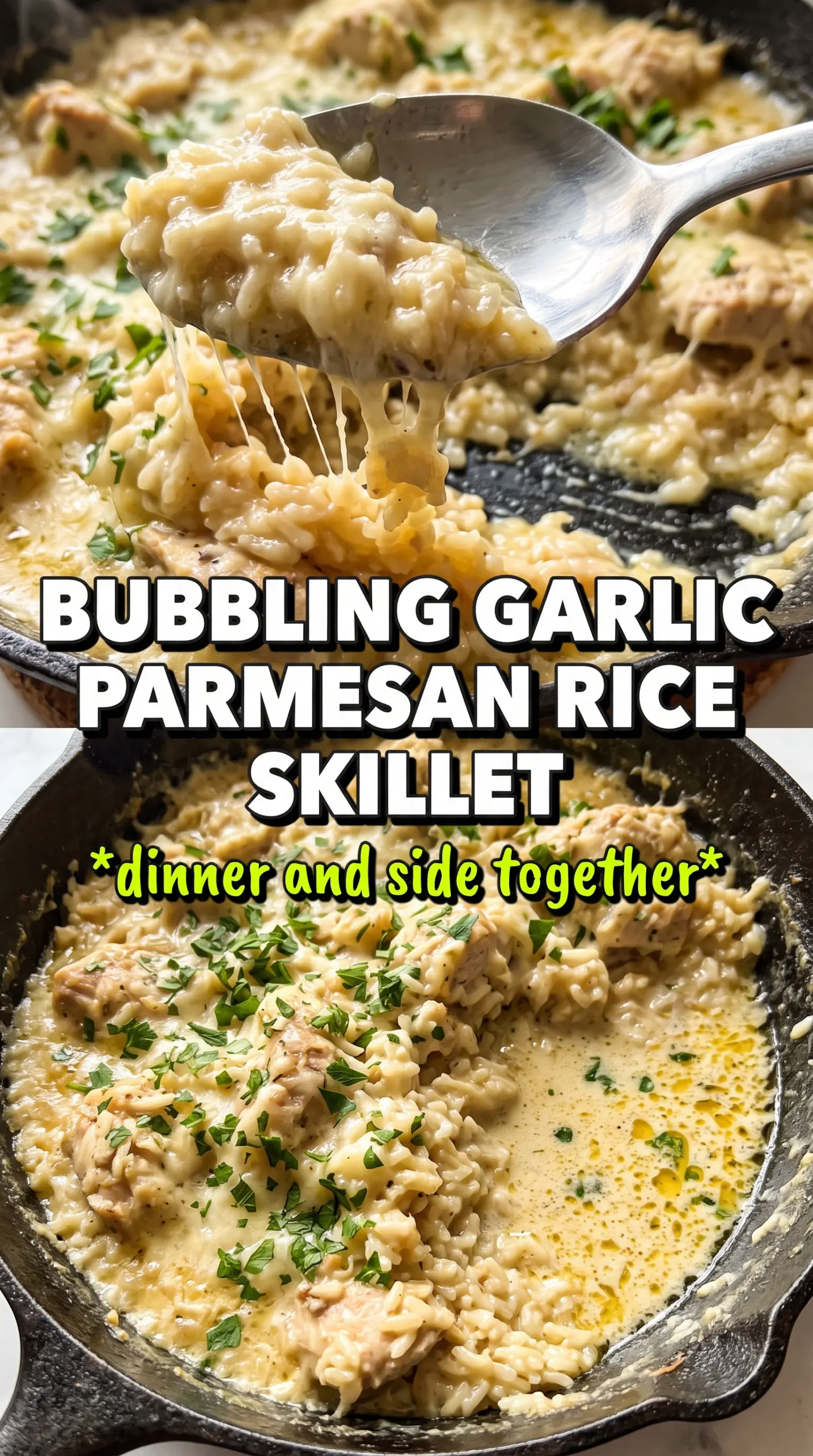
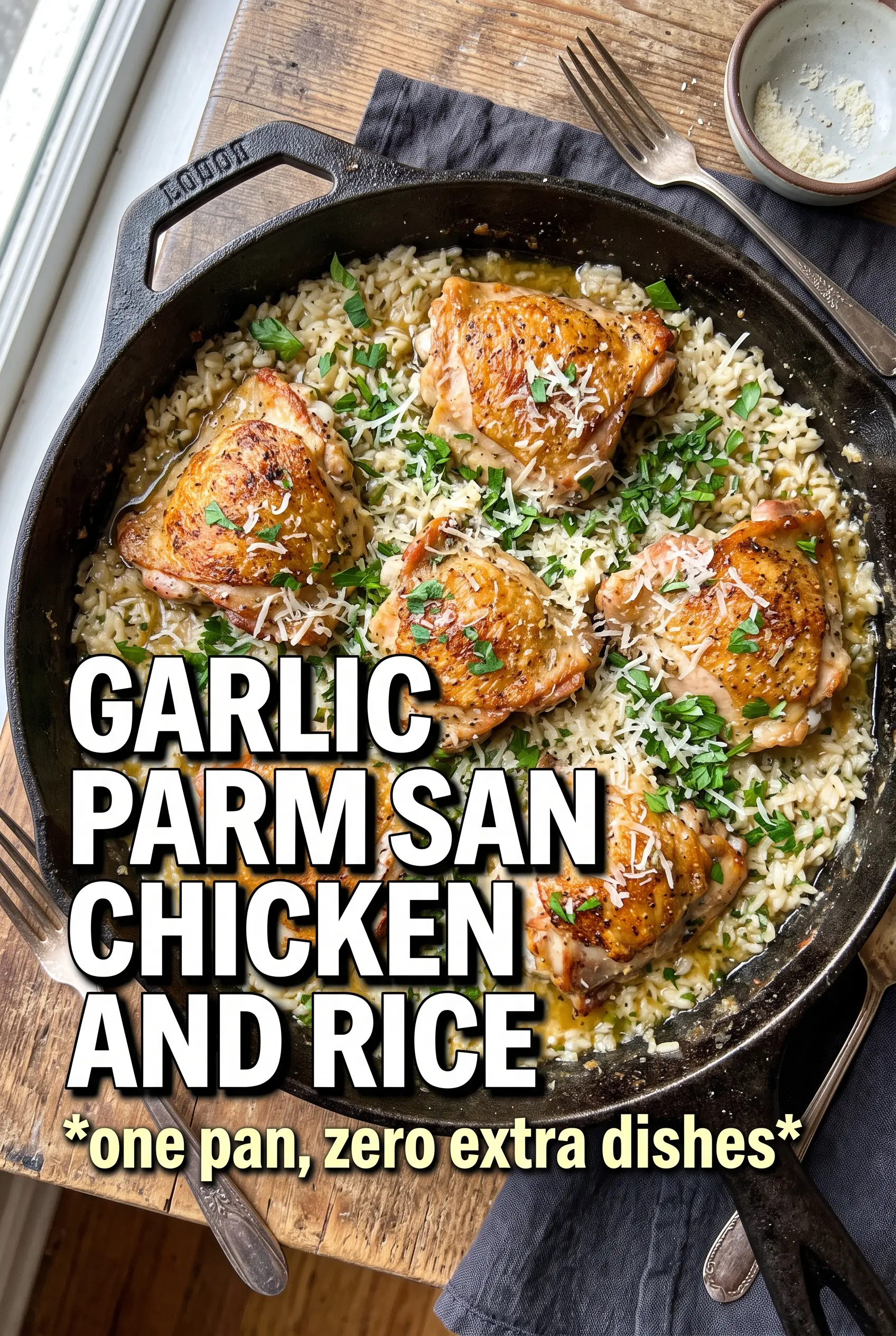
Golden chicken thighs, fluffy rice, and a layer of nutty Parmesan come together in one pan with the kind of comfort that makes people hover around the stove asking when dinner is ready. The chicken stays crisp on top while the rice below turns savory and creamy from the broth, rendered chicken drippings, and cheese. It eats like a full meal without needing a stack of side dishes to feel complete.
The trick is giving the chicken a hard sear before it goes into the oven. That step does two things at once: it builds flavor in the pan, and it leaves just enough fat behind to carry the rice. Toasting the rice for a minute or two before adding the broth also matters, because it keeps the grains separate instead of turning the whole dish heavy.
Below you’ll find the small details that keep the rice tender and the chicken skin from going soft, plus a few smart swaps if you need to adjust what you have on hand.
The rice came out creamy without getting mushy, and the chicken skin stayed crisp even after baking. I used the extra Parmesan on top at the end and it formed those little browned bits everyone fought over.
Save this one-pan garlic Parmesan chicken and rice for the nights when you want crispy chicken and creamy rice from a single skillet.
The Trick to Keeping the Rice Creamy Without Turning It to Mush
One-pan rice dishes usually fail in one of two ways: the rice never cooks through, or it cooks through and collapses into paste. This version avoids both by using the right ratio of broth to rice and by baking uncovered once the chicken goes back in. Uncovered heat lets the top dry slightly, which helps the chicken skin stay crisp and keeps the rice from steaming itself into a heavy mass.
The other thing that matters is layering the flavor before the liquid goes in. Browning the chicken leaves behind fond, and that browned coating on the pan is what makes the rice taste like more than just rice and broth. If the skillet looks a little dark after searing, that’s a good sign. Deglazing with the broth loosens all of it and turns it into the base of the dish.
What Each Ingredient Is Actually Doing in This Dish
- Bone-in, skin-on chicken thighs — These bring the most flavor and stay juicy through the bake. Boneless thighs will work in a pinch, but you lose the crackling skin and the extra richness that drips into the rice.
- Long-grain white rice — This is the best choice because it cooks up separate and tender instead of gluey. Jasmine rice can work too, but keep an eye on it, since it softens a little faster.
- Parmesan — Use freshly grated if you can. Pre-grated cheese often contains anti-caking agents, and that can make the rice less silky. The cheese melts into the broth and gives the dish its salty, savory backbone.
- Onion and garlic — They build the base flavor in the pan before the rice goes in. Cooking them in the chicken fat after searing gives the whole dish a deeper, rounder taste than adding them raw ever could.
- Chicken broth — This does the heavy lifting for the rice. Water will cook the grains, but it won’t give you the same savory depth, so broth is worth using here.
How to Get Crisp Skin and Tender Rice in the Same Pan
Searing the Chicken First
Season the thighs well, then place them skin-side down in hot oil and leave them alone until the skin turns deep golden and releases from the pan on its own. If you try to move them too early, they’ll tear and stick. That sear renders fat into the skillet, which is what seasons the rice later, so don’t rush this part. Pull the chicken out once the skin is crisp but not fully cooked through.
Building the Rice Base
Cook the onion until it softens and starts to turn translucent, then stir in the garlic for just a minute so it smells fragrant without browning. Add the rice and toast it until the grains look slightly glossy. That quick toast helps the rice hold its shape in the oven. When the broth goes in, scrape the bottom of the pan well so none of the browned bits get left behind.
Finishing in the Oven
Stir in the Parmesan and Italian seasoning, then nestle the chicken back on top with the skin exposed. The rice should be simmering gently before it goes into the oven, not boiling hard. Bake uncovered until the rice is tender and the chicken reaches a deep golden finish. If the top looks dry before the rice is done, the heat is too high or the pan is too wide.
Resting Before Serving
Let the pan sit for a few minutes after it comes out of the oven. The rice settles, the juices redistribute, and the chicken stays juicier when you cut into it. Scatter the parsley over the top right before serving so it stays bright and fresh. If you want extra Parmesan on top, add it while the dish is still hot so it melts lightly into the surface.
How to Adjust It Without Losing the Good Parts
Make It Dairy-Free
Skip the Parmesan and finish with a spoonful of nutritional yeast for a savory note, though the dish will taste a little less rich. Use a little extra salt and a touch more broth if needed, since Parmesan usually adds both seasoning and body.
Use Boneless Chicken Thighs or Breasts
Boneless thighs cut down the cooking time and still stay juicy, but they won’t give you the same crackly top. If you use chicken breasts, watch them closely and pull the pan as soon as they hit 165°F, since they dry out faster than thighs.
Add Vegetables Without Throwing Off the Rice
Stir in a handful of peas, chopped spinach, or thin-sliced mushrooms near the end of baking so they don’t steal too much moisture from the rice. Heavier vegetables added too early can leave the rice undercooked in spots.
Storage and Reheating
- Refrigerator: Store leftovers in an airtight container for up to 4 days. The rice will firm up as it chills, but it loosens again with gentle reheating.
- Freezer: This freezes fairly well, though the rice softens a bit after thawing. Freeze in portions for up to 2 months and thaw overnight in the refrigerator before reheating.
- Reheating: Rewarm covered in the oven at 325°F with a splash of broth, or heat gently in a skillet with a spoonful of liquid. The common mistake is blasting it in the microwave until the chicken dries out and the rice gets stiff.
Answers to the Questions Worth Asking
One-Pan Garlic Parmesan Chicken and Rice
Ingredients
Equipment
Method
- Preheat the oven to 400°F. Season the chicken thighs with salt, black pepper, garlic powder, Italian seasoning, and smoked paprika.
- Heat the olive oil in a large oven-safe skillet over medium-high heat. Sear the chicken skin-side down for 6-7 minutes until the skin is golden, then remove the chicken.
- In the same skillet, cook the diced onion for 3 minutes until softened. Add the minced garlic and cook for 1 minute until fragrant.
- Add the uncooked long-grain white rice and toast for 2 minutes. Stir to coat in the onion-garlic oil mixture.
- Pour in the chicken broth and stir in the grated Parmesan and dried Italian seasoning. Bring the mixture to a simmer, then stir until the Parmesan begins melting into the broth.
- Nestle the chicken thighs skin-side up into the rice, keeping the skin above the surface. Sprinkle with extra Parmesan.
- Transfer the skillet to the oven and bake uncovered for 30-35 minutes at 400°F until the rice is cooked and the chicken skin is golden. Check that the rice is tender and the top is browned.
- Garnish with fresh parsley and serve. Let it stand briefly so the rice sets and stays fluffy.