Monster burritos are the kind of meal that hit the plate heavy, hold together when you bite into them, and deliver a little bit of everything in each slice. The best ones are packed enough to feel generous without turning soggy or falling apart, with crisped tortillas, seasoned beef, fluffy eggs, and enough melted cheese to glue the layers together. When you cut one open, the cross-section should look stacked and deliberate, not stuffed with random leftovers.
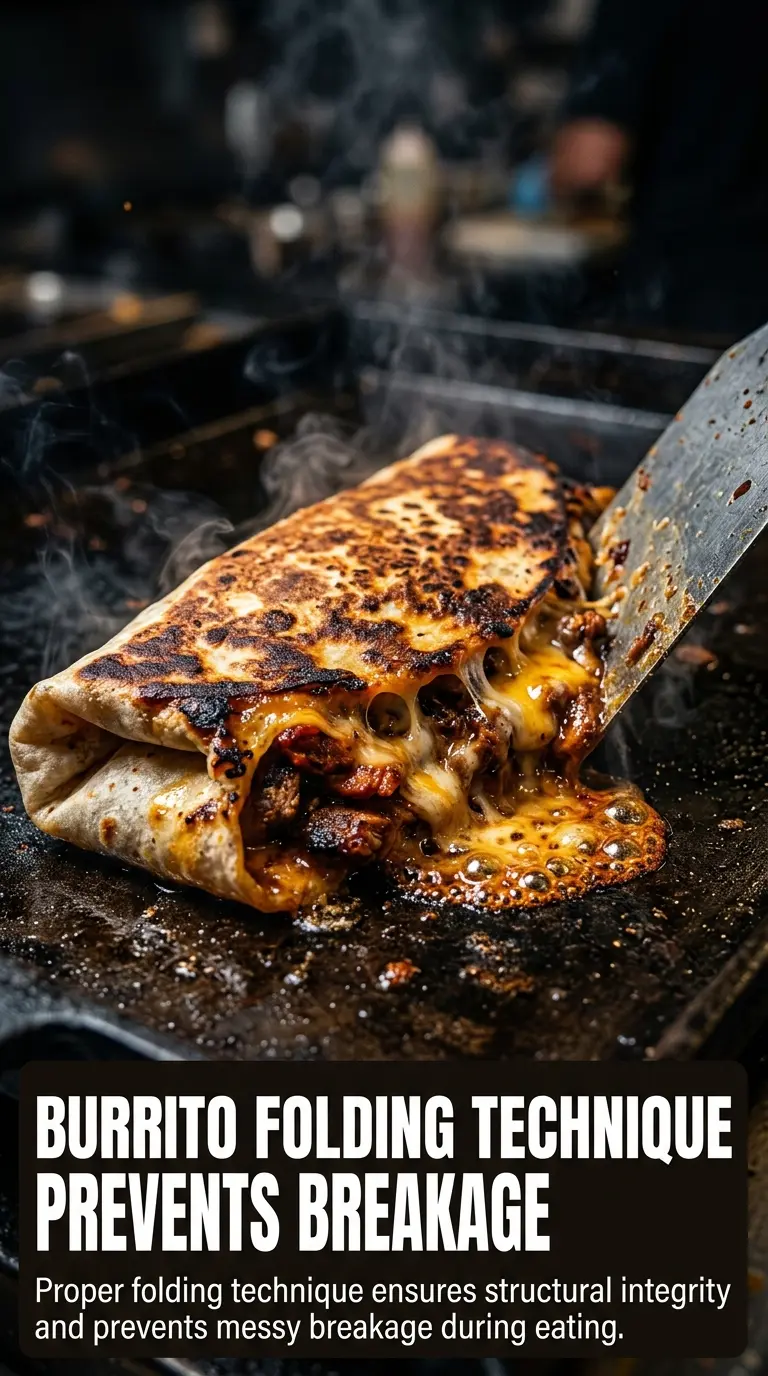
What makes this version work is the order of the filling. The rice and beans sit closest to the tortilla, which helps catch moisture from the salsa and eggs before it can soak through. Cooking the wrapped burritos seam-side down on the griddle gives you that sealed edge and the golden, crackly finish that makes these worth the extra minute. It also helps the cheese melt back into everything so the burrito slices cleanly instead of collapsing.
Below, I’ve included the small details that matter most: how to keep the tortillas flexible, when to stop adding filling, and the smartest way to get a crisp shell without drying out the inside. If you like burritos with a real grab-and-go structure and a big, loaded center, this one’s worth keeping around.
The tortillas got perfectly crisp on the griddle and the seam actually stayed closed. My husband said the beef, eggs, and salsa tasted like a diner breakfast burrito but bigger.
Save these monster burritos for the nights when you want a huge, crispy griddle burrito with beef, eggs, and melty cheese in every bite.
The Burrito Fails When the Fillings Fight the Tortilla
A monster burrito falls apart for one reason more than any other: it gets overfilled with wet ingredients that have nowhere to go. Salsa, eggs, beans, and cheese all taste better when they’re layered with a little intention, but if everything lands in the center in a loose mound, the tortilla tears or the seam pops open before the outside has a chance to crisp.
The trick is to keep the filling broad and low instead of tall and narrow. Rice and beans act like a buffer, the cheese helps bind the hot fillings, and the final griddle toast seals the wrap so it slices cleanly. If you’ve ever ended up with a burrito that leaked across the plate, this is the part that changes the result.
- Layering order matters — Start with beans and rice, then add beef and eggs, then cheese and toppings. That gives the tortilla a drier base and keeps the center from turning messy too quickly.
- Don’t overstuff the center — These are called monster burritos for a reason, but the filling still needs room to fold. If the tortilla looks stretched before you roll it, pull some filling back.
- The seam-side-down griddle finish is nonnegotiable — That first hot contact helps the burrito seal while the tortilla browns. If you skip it, the wrap is much more likely to unravel when you cut or pick it up.
What the Beans, Rice, and Eggs Are Doing Here
Flour tortillas need to be extra-large so they can actually contain the filling. A smaller tortilla will split the second you try to fold in the sides. Warm them on the griddle just until flexible; if they dry out, they crack instead of rolling.
- Ground beef brings the savory base and holds seasoning well. Lean beef works fine, but if it’s very lean and dry, add the seasoning with a small splash of water so it stays juicy instead of crumbly.
- Refried beans act like the glue layer. Canned beans are perfectly fine here, but warm them first so they spread easily and don’t tear the tortilla when you try to smear them.
- Rice adds bulk and helps soak up moisture from the salsa and eggs. Leftover cooked rice works especially well because it’s a little drier and less likely to turn gummy.
- Eggs should be softly scrambled, not browned. They keep their texture better inside the burrito and don’t turn rubbery when you crisp the outside.
- Cheese is worth using as a proper melting cheese, not the pre-shredded kind if you have time. Pre-shredded works, but freshly shredded melts faster and helps hold the layers together.
Building, Folding, and Griddling the Burrito
Season the Beef First
Cook the ground beef on the griddle until it’s fully browned and no pink remains, breaking it up as it cooks so there aren’t any big chunks hiding in the wrap. Add the taco seasoning with the amount of water the packet calls for and let it simmer briefly until the meat looks glossy, not soupy. If the pan is too wet, the filling turns slippery and the burrito won’t hold its shape.
Scramble the Eggs Softly
Pull the beef aside and cook the eggs on a lightly oiled section of the griddle until they’re just set and still tender. They should look fluffy and pale yellow, not browned or dry. Overcooked eggs keep cooking inside the hot burrito, so stop them a little earlier than you think.
Warm, Fill, and Fold
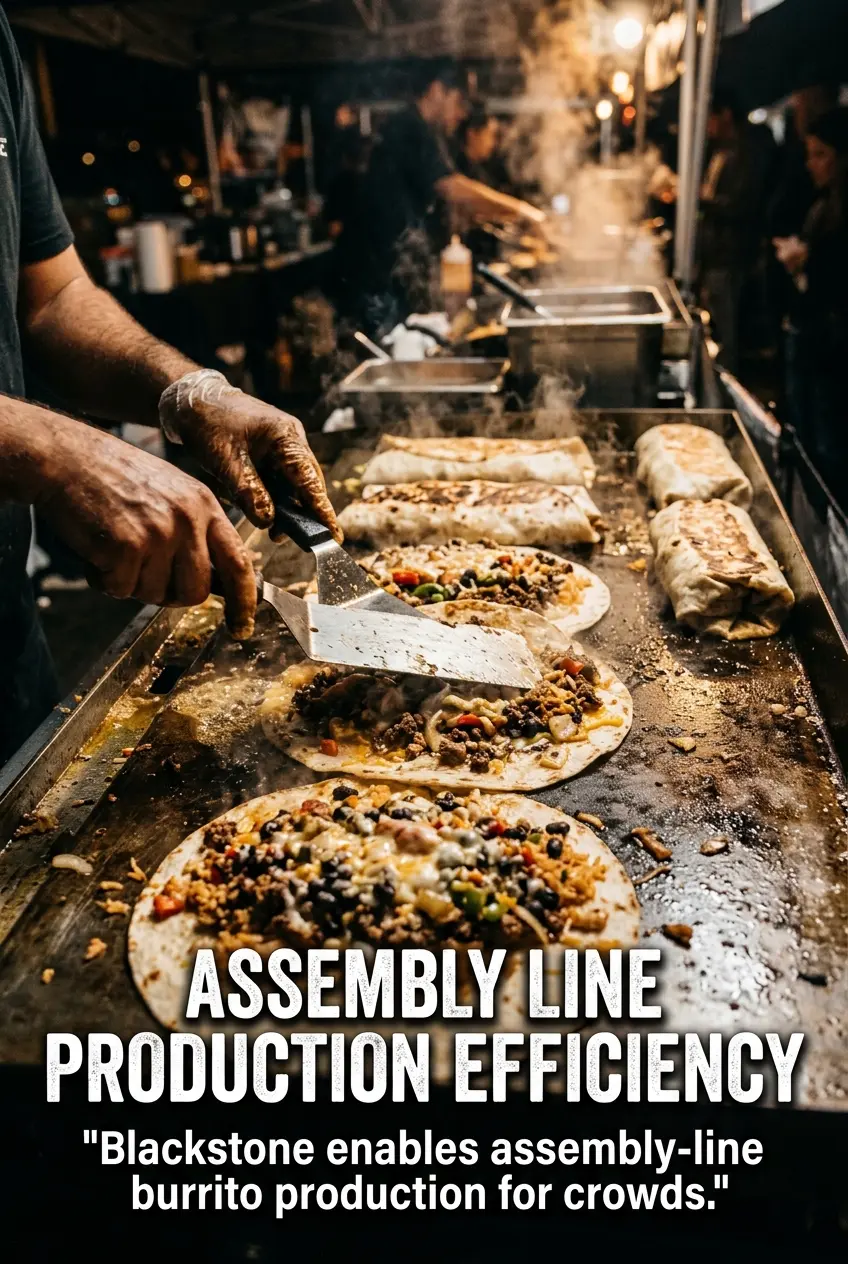
Lay the tortillas on the griddle just long enough to make them bend without cracking, then move them to your work surface. Spread the beans first, then rice, beef, eggs, cheese, salsa, and toppings, keeping the filling slightly below center so you have room to fold the sides in. Fold the sides tightly over the filling, then roll away from you with steady pressure; if the tortilla resists, it’s either too cold or too full.
Crisp the Seam
Set each burrito seam-side down on the griddle and let it cook until the bottom is deep golden and sealed, about 2 to 3 minutes per side. Press lightly with a spatula for contact, but don’t smash it flat or the filling will squeeze out. When the outside feels crisp and the seam stays shut on its own, it’s ready to slice and serve.
How to Adapt These Burritos Without Losing the Big-Cut Cross-Section
Make It Breakfast-Forward
Skip the beef and double the eggs, then add breakfast potatoes or hash browns for extra bulk. The burrito will be lighter in texture but still slice with a strong layered center, especially if you keep the cheese between the eggs and the salsa.
Gluten-Free Version
Use certified gluten-free tortillas that are large and flexible, since thin ones crack when folded around this much filling. Warm them gently before rolling, because gluten-free wraps usually need more heat to become pliable and they tear faster if they dry out.
Dairy-Free Burritos
Leave out the cheese and sour cream, then add extra guacamole or a spoonful of seasoned beans for richness. You’ll lose a little of the melt that helps bind the burrito, so keep the filling a touch drier and toast the seam long enough to lock it in place.
Storage and Reheating
- Refrigerator: Store wrapped burritos for up to 3 days. The tortilla softens a little, but the flavor holds up well.
- Freezer: Freeze individually wrapped burritos for up to 2 months. Cool the fillings before assembling so steam doesn’t make the tortillas soggy when they thaw.
- Reheating: Reheat from thawed in a skillet or on the griddle over medium-low heat until the center is hot. Microwaving alone softens the tortilla instead of crisping it, so it’s best used only to start the heating before a quick pan finish.
Answers to the Questions Worth Asking
Monster Burritos
Ingredients
Equipment
Method
- Preheat the Blackstone griddle over medium-high heat, then cook the ground beef until browned, breaking it up as it cooks. Add the taco seasoning and stir to coat, following the package directions for timing and seasoning strength.
- On the same griddle, scramble the eggs until fluffy and set. Remove the eggs to a plate or tray and keep warm.
- Warm the extra-large flour tortillas on the griddle just until pliable. Transfer them to a work surface to prevent tearing while you assemble.
- Layer each tortilla with refried beans, cooked rice, beef, scrambled eggs, shredded cheese, salsa, and desired toppings. Add diced onions and jalapeños, guacamole, and hot sauce according to taste.
- Fold in the sides and roll each tortilla tightly into a burrito. Place the burrito seam-side down on the griddle.
- Cook the burritos for 2-3 minutes per side until golden and crispy. Slice each burrito in half and serve with extra salsa and sour cream as needed.