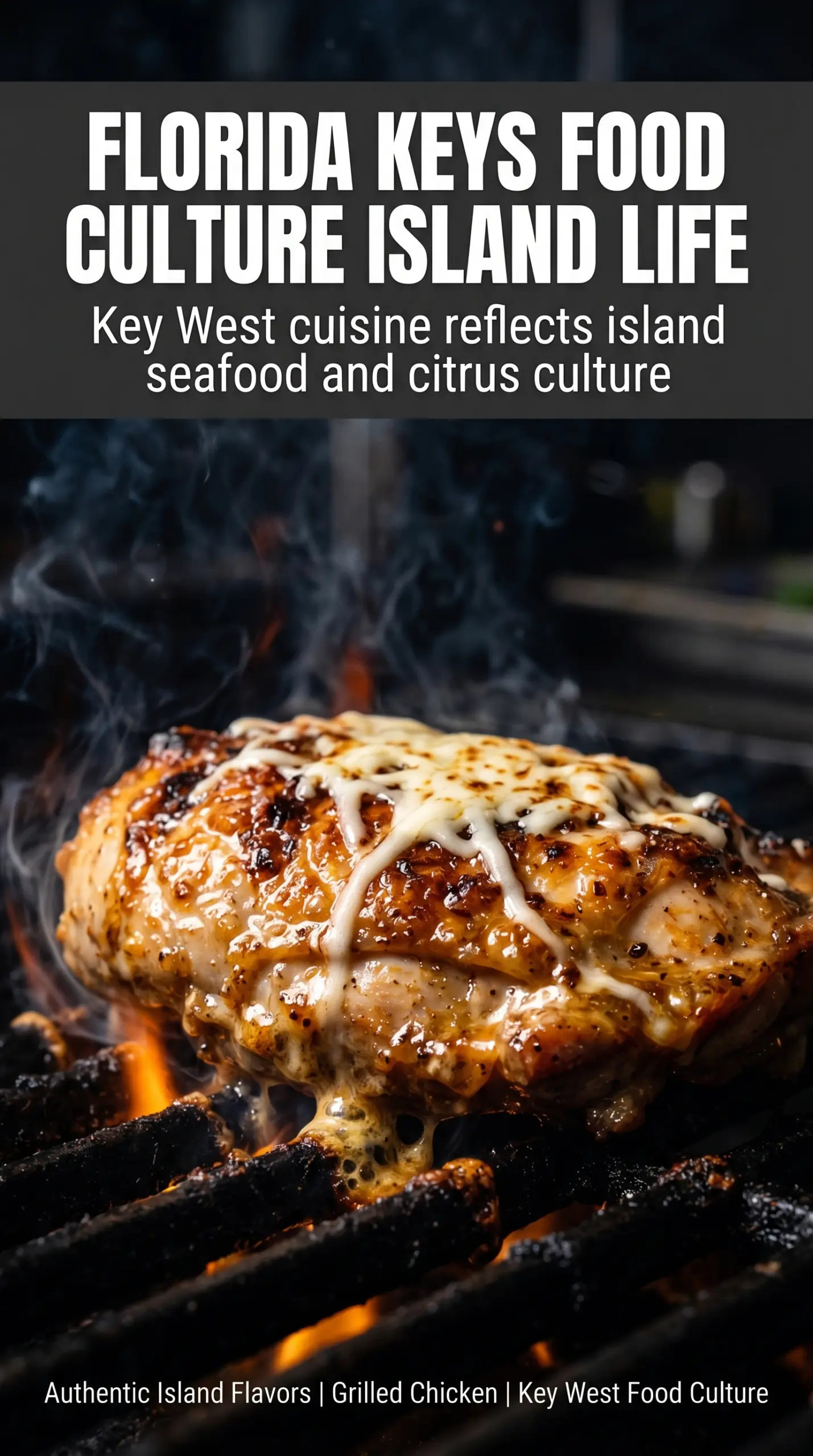
Citrus-marinated chicken comes off the grill with charred edges, juicy centers, and a bright Key lime finish that keeps every bite tasting fresh instead of heavy. The honey in the marinade helps the surface pick up color fast, while the orange juice softens the sharp lime and gives the chicken that unmistakable tropical balance. It’s the kind of grilled main dish that looks simple on paper and ends up tasting like you put a lot more thought into dinner than you actually did.
This version works because the marinade does more than add flavor. The acid and citrus zestiness season the meat all the way through, the oil helps the garlic and cumin cling, and the rest time gives the chicken time to pick up that flavor before it ever hits the grates. I’ve found that a medium-high grill gives you the best tradeoff here: enough heat for good marks and smoky edges, but not so much that the honey burns before the chicken cooks through. Below you’ll find the small details that keep the marinade balanced, the chicken juicy, and the finish bright.
The chicken stayed juicy and the citrus glaze got this gorgeous sticky edge on the grill. I used regular lime and it still tasted bright, and my family kept reaching for the extra wedges.
Like this Key West Grilled Chicken? Save it for the nights when you want smoky char, citrus marinade, and a bright Key lime finish.
The Marinade Needs Enough Acid to Flavor the Chicken, Not Enough to Toughen It
The balance in this recipe matters more than the ingredient count. Lime juice brings the sharp, clean citrus note, orange juice smooths the edges, and honey keeps the glaze from tasting thin once it hits the grill. If the marinade leans too hard on acid, the outside of the chicken can get a little tight before the center has a chance to cook evenly.
The other mistake is rushing the marinating time. Two hours is the floor here, and six hours is where the flavor really settles in without the texture turning mushy. That window gives the garlic, cumin, and citrus enough time to season the meat while the oil helps everything spread evenly across the surface.
What Each Ingredient Is Actually Doing in This Chicken
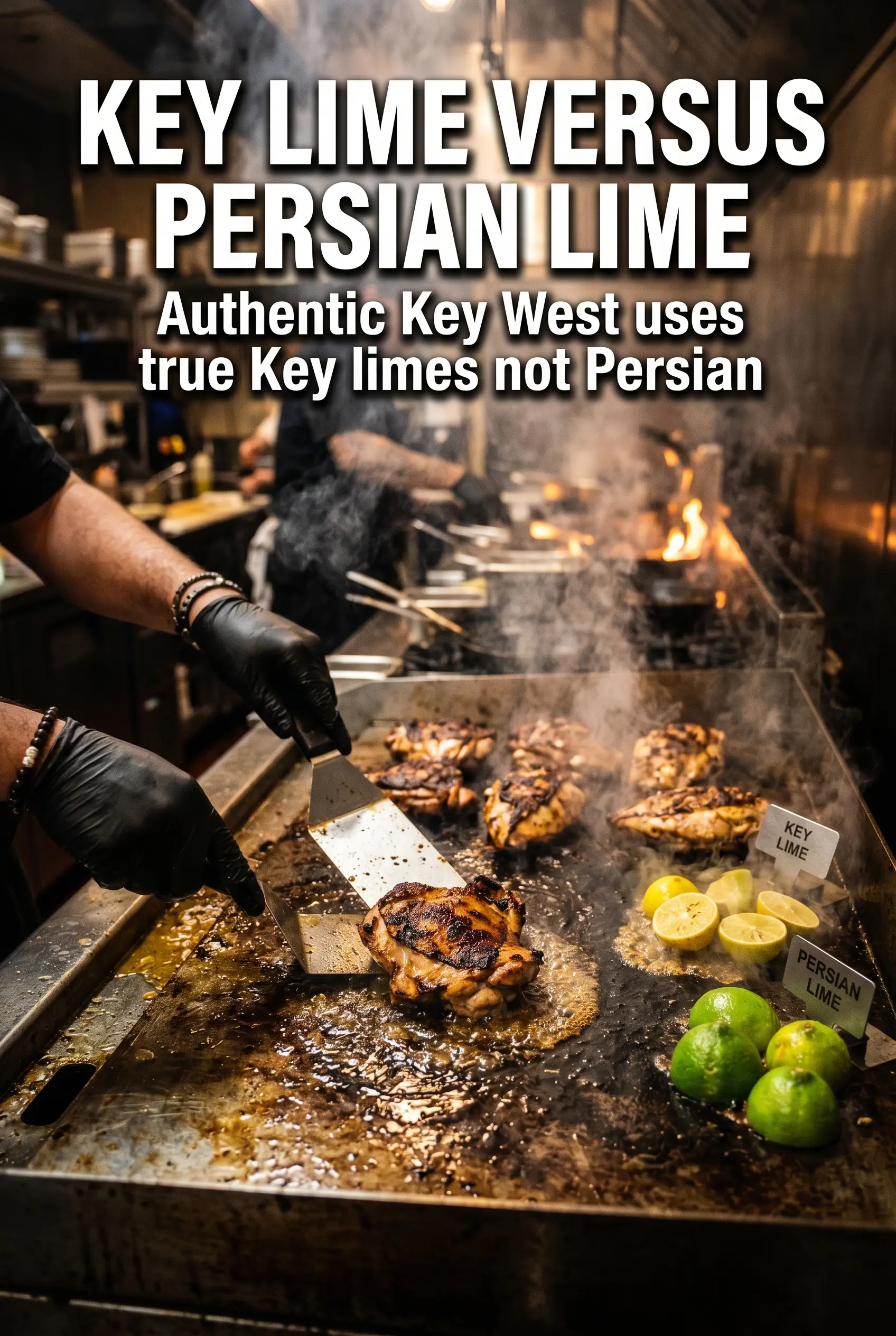
- Key lime juice — This is the bright, punchy backbone of the dish. Regular lime works fine, but Key lime gives you a slightly sharper, more floral citrus note that makes the chicken taste more distinctly Florida-style.
- Orange juice — This keeps the marinade from reading as one-note sour. Fresh juice gives the cleanest flavor, and the natural sugar also helps the chicken pick up a little color on the grill.
- Olive oil — Oil carries the garlic and cumin and helps the marinade coat the chicken evenly. Don’t skip it; without the oil, the citrus can sit on the surface instead of seasoning the meat.
- Honey — Honey rounds out the acid and gives the chicken that lightly sticky finish. It also helps with browning, but too much heat will scorch it, so keep the grill at medium-high instead of blasting it.
- Cumin — This is the quiet warm note that makes the citrus taste deeper. It doesn’t make the chicken taste like taco seasoning; it gives the marinade a little earthiness so the bright flavors don’t disappear.
- Chicken pieces — Pieces with some skin and bone stay juicier on the grill than lean breast meat alone. If you use boneless chicken breasts, pull them as soon as they hit 165°F so they don’t dry out.
Getting the Char Before the Citrus Turns Bitter
Whisk the Marinade Until It Looks Emulsified
Start by whisking the lime juice, orange juice, olive oil, garlic, honey, cumin, salt, and pepper until the honey is dissolved and the mixture looks slightly thickened. If the oil is floating in a separate layer, keep whisking; that’s the sign the seasoning won’t coat the chicken evenly. This is the point where the flavor gets built, so a quick, lazy stir leaves the marinade uneven and weak.
Let the Chicken Sit Long Enough to Change Texture
Coat the chicken well and marinate it for 2 to 6 hours in the refrigerator. Less than two hours and the citrus flavor stays on the surface; much longer than six and the edges can start to lose their best texture. If you’re using a zip-top bag, turn it once or twice so every piece stays in contact with the marinade.
Grill Over Medium-High Heat, Not a Firestorm
Preheat the grill and cook the chicken over medium-high heat until the outside has dark grill marks and the inside reaches 165°F. The honey in the marinade will brown fast, so if the skin or surface starts blackening before the center is done, move the pieces to a cooler spot. The best cue here is controlled char, not a burnt crust.
Rest Before You Cut and Finish With Fresh Citrus
Let the chicken rest for 5 minutes after grilling so the juices settle back into the meat instead of running out onto the cutting board. Finish with cilantro and lime wedges right before serving. That last hit of fresh citrus makes the grilled marinade taste brighter and keeps the whole dish from feeling heavy.
How to Adapt This for Different Pans, Palates, and Diets
Boneless chicken breasts for a leaner version
Use boneless, skinless breasts if that’s what you have, but watch the grill closely because they dry out faster than bone-in pieces. Keep them over medium-high heat and pull them the second they reach 165°F. You’ll lose a little of the juicy richness, but the citrus marinade still keeps them lively.
Dairy-free and naturally gluten-free as written
This recipe already skips dairy and gluten, which makes it an easy fit for a lot of tables without any extra work. Just check your honey if you’re cooking for strict vegans, since that’s the only ingredient that would need replacing. The texture and grill finish stay the same either way.
Swap regular lime when Key limes are hard to find
Regular lime gives you a slightly less floral, a little more straightforward citrus bite, but the recipe still works beautifully. Use the same amount, and if the flavor tastes flatter than you want, add an extra squeeze of lime at the end instead of more in the marinade. That keeps the chicken bright without making the surface too acidic.
Make it a full grilled dinner
This marinade works on vegetable skewers too, especially bell peppers, onions, and pineapple. Keep the vegetables separate from the raw chicken marinade unless you’ve reserved some before adding the chicken, because you don’t want cross-contamination. The result is a brighter, more tropical plate that matches the chicken instead of competing with it.
Storage and Reheating
- Refrigerator: Store cooked chicken in an airtight container for up to 4 days. The citrus flavor stays good, though the exterior won’t be as crisp after chilling.
- Freezer: Freeze cooked chicken for up to 2 months. Wrap it tightly and thaw overnight in the refrigerator so the texture doesn’t turn watery.
- Reheating: Reheat gently in a covered skillet over low heat with a splash of water, or warm it in a 300°F oven until just heated through. High heat dries out grilled chicken fast, especially after a citrus marinade.
Questions I Get Asked About This Recipe
Key West Grilled Chicken
Ingredients
Equipment
Method
- Whisk together Key lime juice, orange juice, olive oil, minced garlic, honey, cumin, salt, and pepper until evenly combined and glossy.
- Taste and adjust seasoning with a little more salt and pepper if needed.
- Add chicken pieces to a covered container and pour the marinade over, turning to coat; refrigerate for 2-6 hours.
- For best flavor, keep the chicken chilled throughout marinating and move it once halfway through.
- Preheat the grill to medium-high heat and lightly oil the grate to prevent sticking.
- Grill chicken over medium-high heat until the internal temperature reaches 165°F, turning as needed for visible char, about 20-25 minutes total.
- Transfer chicken to a plate and let rest for 5 minutes so juices settle.
- Garnish with fresh cilantro and serve with lime wedges for squeezing over the top.