Juicy Greek chicken lands on the plate with crisp-edged skin, bright lemon, and garlic that tastes mellowed and rounded instead of sharp. The marinade does the heavy lifting here, giving the chicken flavor all the way through while keeping the meat tender enough to slice or pull apart without drying out. It’s the kind of main dish that works for a quiet dinner, but still feels like you put care into it.
The trick is balance. Lemon brings lift, olive oil carries the herbs, and the long marinating time gives the salt a chance to season the meat from the inside out. Grill it over medium-high heat and you get good color without scorching the garlic or burning the herb flecks before the chicken cooks through.
Below, I’ve included the part that matters most: how long to marinate, what to watch for on the grill, and a few ways to adapt the recipe if you want to use what you already have on hand.
The chicken came off the grill so juicy, and the lemon-garlic marinade never turned bitter. I marinated it overnight, and the flavor went all the way through.
Save these juicy Greek chicken flavors for the nights when you want lemon, oregano, and a clean grilled finish without a lot of fuss.
The Part Most People Rush: The Marinade Time
The difference between chicken that tastes seasoned and chicken that tastes memorable comes from the marinating window. Four hours gets the flavor into the meat; overnight gives you a deeper lemon-garlic finish and a juicier bite. What doesn’t help is a quick 20-minute soak and a scorching-hot grill, which can leave the outside loud and the inside bland.
Acid needs moderation here. Lemon juice brightens the chicken, but too much time in citrus can start to tighten the texture, especially with smaller pieces. That’s why this recipe stays in a sweet spot: enough lemon to wake everything up, enough oil to protect the surface, and enough time for the herbs to settle in.
- Marinating longer than 24 hours can work against you. The chicken can take on a slightly cured texture at the surface, especially if you use small pieces.
- Room-temperature chicken before grilling helps the meat cook more evenly. Take it out of the fridge while the grill heats.
- Salt in the marinade matters. It seasons the meat all the way through instead of just sitting on the surface.
- Lemon zest gives the bright citrus note without adding more acid, which keeps the chicken tender instead of sharp-tasting.
What the Olive Oil, Lemon, and Herbs Are Actually Doing
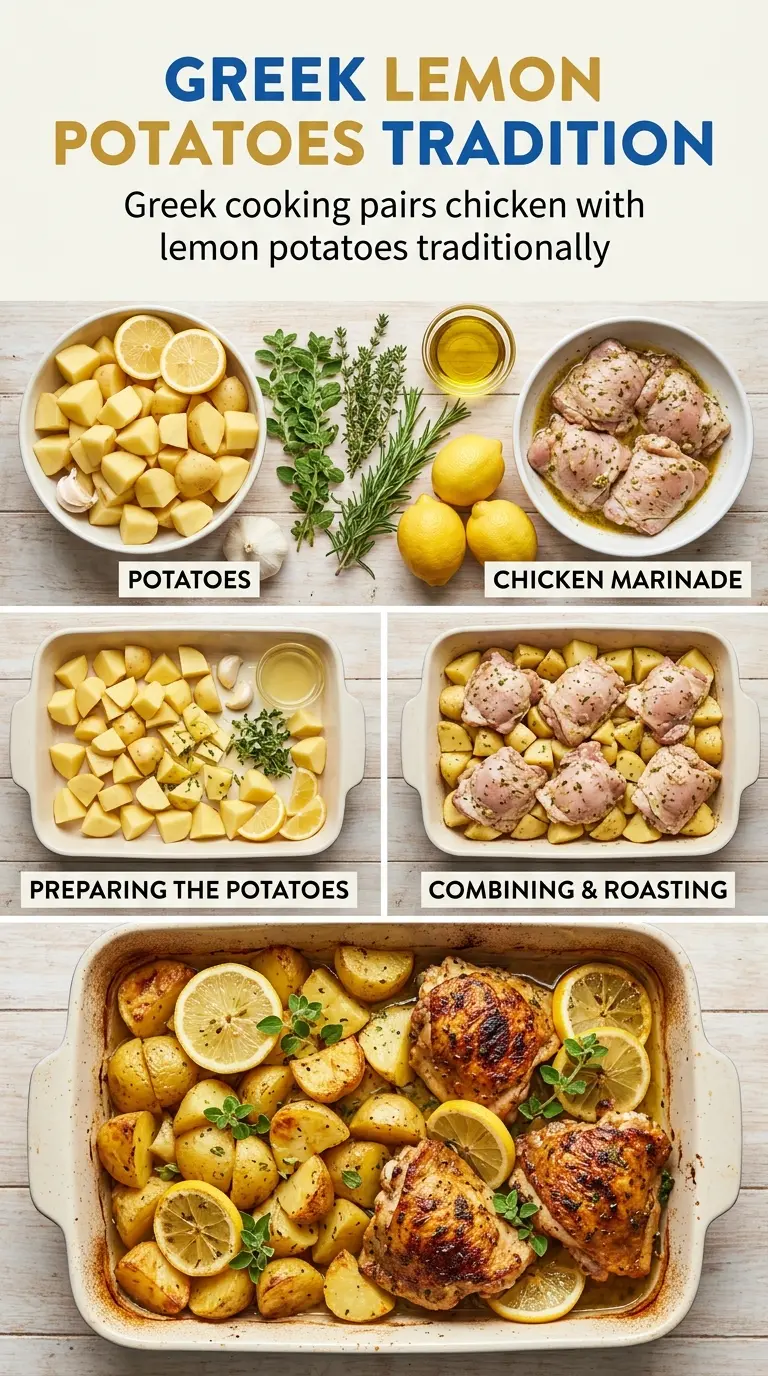
- Olive oil carries the garlic and herbs across the chicken and helps the surface brown instead of drying out. Use a good everyday extra-virgin olive oil here; you’ll taste it. A fancy finishing oil isn’t necessary.
- Lemon juice and zest each do a different job. The juice tenderizes and brightens, while the zest gives the clean lemon aroma that stays on the chicken after grilling. If you only have bottled lemon juice, the chicken will still work, but the flavor will be flatter.
- Garlic should be minced finely so it clings to the chicken and doesn’t fall into the grill flames. Bigger pieces burn before the chicken is done.
- Fresh oregano gives the most classic Greek flavor, but dried oregano is a solid backup. Use half as much dried as fresh, and crush it between your fingers before adding it to the bowl.
- Thyme adds a quiet earthy note that keeps the marinade from tasting one-dimensional. It’s not the loudest ingredient, but it rounds everything out.
Grilling the Chicken Without Drying It Out
Building the Marinade
Whisk the olive oil, lemon juice, lemon zest, garlic, oregano, thyme, salt, and pepper until the mixture looks emulsified and slightly cloudy. That helps the herbs and garlic coat the chicken instead of sliding off in the bowl. Add the chicken and turn it until every piece looks slick and evenly covered, then cover and chill it for at least 4 hours.
Getting the Grill Hot Enough
Preheat the grill to medium-high and clean the grates well. You want hot grates and a lightly oiled surface so the chicken sears instead of sticking and tearing. If the fire is too high, the garlic in the marinade can blacken before the meat reaches temperature, so aim for steady heat rather than flare-ups.
Cooking to the Right Temperature
Lay the chicken on the grill and leave it alone long enough to pick up color. Turn it once the first side releases cleanly and shows clear grill marks, then keep cooking until the thickest part reaches 165°F. If the outside is browning too fast, move the pieces to a cooler part of the grill and let them finish there instead of chasing the heat.
Resting Before Serving
Take the chicken off the grill and let it rest for 5 minutes. That short pause keeps the juices inside the meat instead of running out the second you cut into it. Slice too early and the board will collect what should have stayed in the chicken.
Oven-Baked Greek Chicken
Bake the marinated chicken at 425°F on a sheet pan until it reaches 165°F. You won’t get the same smoky edge from the grill, but the lemon and oregano still come through cleanly, and the method is easier if the weather isn’t cooperating.
Dairy-Free and Naturally Gluten-Free
This recipe already fits both without any changes, which is part of why it’s such a reliable main dish. Just pair it with sides you know work for your table, and skip any creamy sauces that would cover up the bright marinade.
Using Chicken Breasts Instead of Pieces
Boneless breasts work, but they dry out faster than thighs or mixed pieces. Pound them to an even thickness and check the temperature early; pull them the moment they hit 165°F so they stay tender.
Meal Prep for the Next Day
Marinate the chicken the night before and grill it the day you plan to eat. Leftovers stay useful for salads, grain bowls, and wraps, but the texture is best within the first two days.
Storage and Reheating
- Refrigerator: Store in an airtight container for up to 4 days. The flavor stays bright, but the chicken firms up a little as it chills.
- Freezer: Freeze cooked chicken for up to 2 months. Slice it first if you plan to use it for quick lunches later.
- Reheating: Warm it gently in a covered skillet with a splash of water or broth, or use the microwave at half power. High heat dries out already-cooked chicken fast, so reheat just until warm.
Answers to the Questions Worth Asking
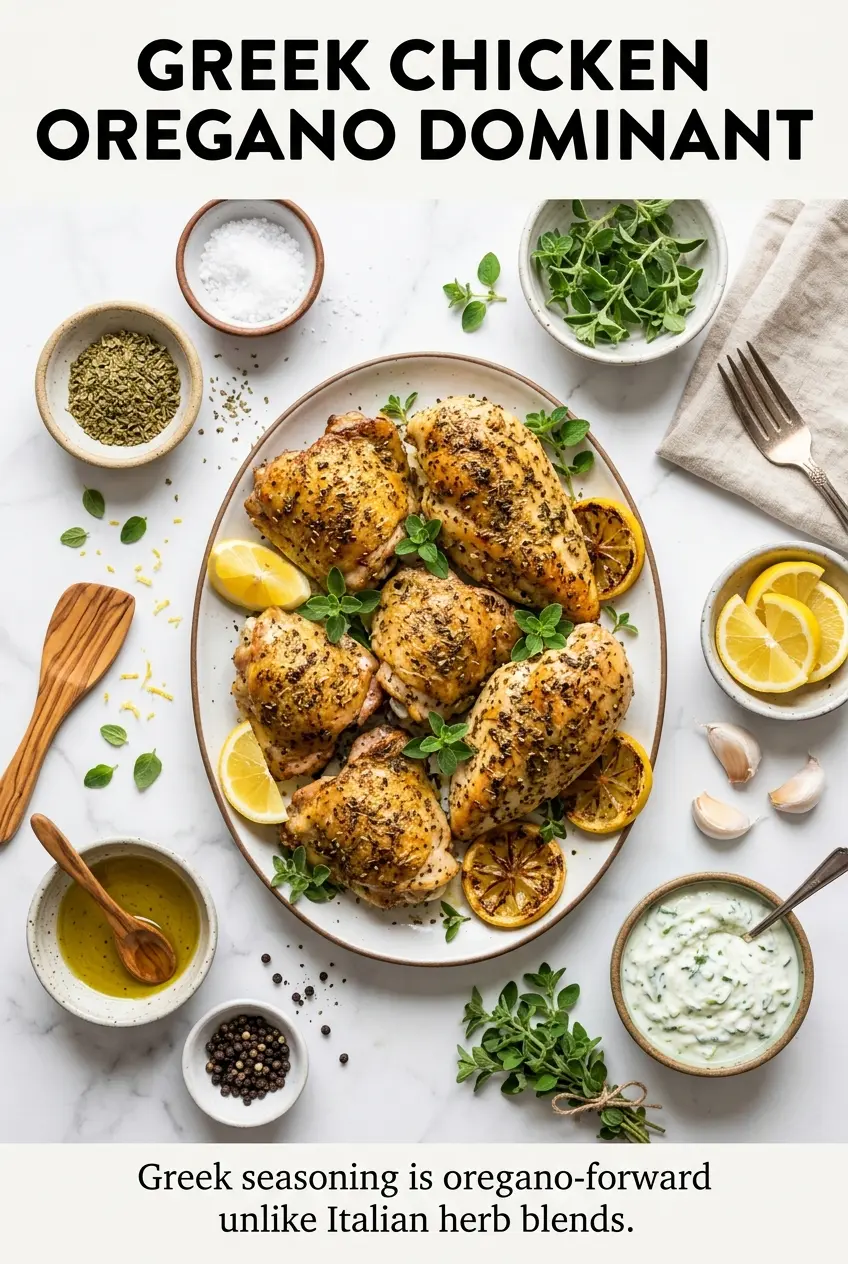
Juicy Greek Chicken
Ingredients
Equipment
Method
- Whisk together olive oil, lemon juice, lemon zest, minced garlic, oregano, thyme, salt, and pepper until well combined, with a uniform glossy texture.
- Add the chicken to the marinade, cover, and refrigerate for 4-24 hours so the surface looks well coated and glossy.
- Preheat the grill to medium-high heat and grill the chicken until the thickest part reaches 165°F, about 25 minutes, turning as needed for even char.
- Transfer the chicken to a plate and let it rest 5 minutes before serving to keep juices inside and the texture tender.