Cold potato salad gets a lot more interesting when the potatoes are still hearty, the dressing is sharp, and the add-ins bring more than one texture to the bowl. This Italian potato salad hits that sweet spot: tender red potatoes, salty salami, creamy mozzarella, bright pepperoncini, and basil all tossed together so every bite tastes different but still makes sense.
The trick here is cooling the potatoes before adding the dressing. Warm potatoes soak up flavor better than fully chilled ones, but if they’re steaming hot, the cheese softens too much and the salami loses its edge. Red potatoes hold their shape, which matters because this salad is meant to look and eat like a composed antipasto, not a mashed-up side dish. The Italian dressing does the heavy lifting, but the basil and Parmesan at the end keep it from tasting flat.
Below you’ll find the details that make this salad work for make-ahead lunches, cookouts, or any spread that needs one dish people keep circling back to. I’ve also included the swaps that still keep the salad balanced when you want to adjust for what’s in the fridge.
The potatoes held their shape even after chilling, and the pepperoncini gave it that briny kick that kept us going back for more. I made it the night before and the flavor was even better the next day.
Italian Potato Salad brings together creamy potatoes, salami, mozzarella, and pepperoncini in one chilled bowl worth making ahead.
The One Mistake That Makes This Salad Bland or Heavy
The biggest problem with potato salad like this is treating it like a mayonnaise-based side dish. It isn’t. Italian dressing needs room to soak into the potatoes, and that only happens when the potatoes are drained well and given a little time to cool before everything else goes in. If they’re still wet, the dressing slides off and pools at the bottom of the bowl. If they’re steaming, the mozzarella softens too much and the basil turns dull.
The other thing that matters is cutting the potatoes to the same size before boiling. Big chunks stay firm in the middle while smaller ones break apart, and the texture gets muddy fast. Red potatoes are the right pick because they hold their shape after chilling without tasting waxy or dense.
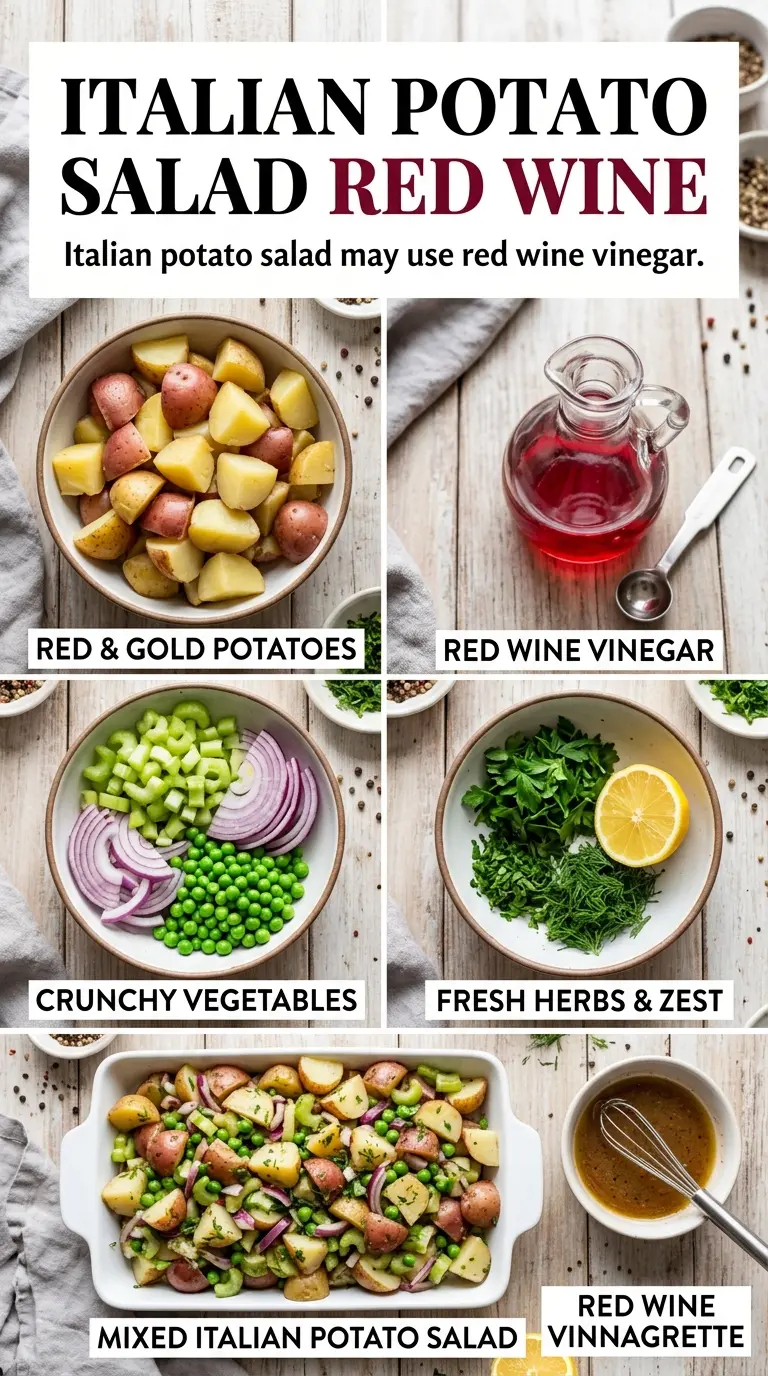
- Red potatoes — Their thin skins and firm texture keep the salad from turning starchy or falling apart after it chills.
- Italian dressing — This brings the acid, oil, and seasoning in one step. Bottled dressing works fine here, but use one you actually like, since it defines the whole bowl.
- Fresh basil — Add it at the end so it stays bright and fragrant. Dried basil won’t give the same clean finish.
- Pepperoncini — These cut through the richness of the cheese and salami. If you skip them, the salad loses the sharp bite that keeps it interesting.
What Each Ingredient Is Actually Doing in the Bowl
Salami and mozzarella turn this from a side dish into something that eats like a light lunch or an antipasto platter in a bowl. Use a salami with a good peppery edge, not the bland kind that disappears once it’s chilled. The mozzarella should be firm enough to cube cleanly; fresh mozzarella will leak water and soften the potatoes too much.
Cherry tomatoes add sweetness and juiciness, but they need to be halved so their juices mingle with the dressing instead of bursting all over the bowl. Red onion gives a little sharpness, and finely dicing it keeps it from overpowering each bite. Parmesan goes in near the end for a salty finish, not as a main cheese.
- Salami — A firmer, drier salami holds up best. Very soft deli slices will get slippery after chilling.
- Mozzarella — Use block mozzarella or mozzarella pearls that are well drained. Fresh mozzarella works in a pinch, but blot it dry first.
- Cherry tomatoes — They bring juiciness and sweetness. Larger tomatoes can work, but remove some of the seeds if they’re very watery.
- Red onion — Dice it small so it blends into the salad instead of taking over each forkful.
How to Keep the Potatoes Tender, Not Crumbly
Boiling Until Just Tender
Start the potatoes in cold water, then bring them up to a boil so the outside and center cook at a similar pace. Salt the water if you want the potatoes seasoned all the way through. They’re done when a knife slips in without resistance but the cubes still hold their edges. If you boil them until they’re falling apart in the pot, the salad will turn pasty once you toss it.
Cooling Enough for the Dressing to Stick
Drain the potatoes well and let them cool until they’re warm, not hot. That’s the point where they’re ready to absorb dressing without turning the cheese soft or making the herbs wilt. If you rush this step, the dressing gets oily and thin instead of coating the potatoes. Give them a few minutes spread out on a tray if they seem too steamy.
Building the Bowl in the Right Order
Combine the potatoes with the salami, mozzarella, tomatoes, pepperoncini, and onion before adding the dressing. That lets the dressing hit all the surfaces instead of just the bottom of the bowl. Stir gently with a wide spoon so the potatoes don’t break. Add the basil and Parmesan after the first toss so they stay fresh and don’t get bruised.
Chilling for the Flavor to Settle
Refrigerate the salad for at least 2 hours before serving. The potatoes drink in the dressing during that time, and the briny ingredients mellow into the mix. If it tastes a little muted straight from the fridge, let it sit at room temperature for 15 minutes before serving and give it one last gentle toss. Cold food always tastes quieter than it did in the bowl.
How to Adapt This for Different Tables and Diets
Gluten-Free Version Without Losing the Antipasto Feel
This salad is naturally gluten-free if your salami and Italian dressing are certified gluten-free. Check the dressing label first, since some bottled versions use additives or vinegar blends that don’t fit. The texture and flavor stay the same, so this is one of the easiest versions to serve to a mixed group.
Dairy-Free Swap That Still Tastes Balanced
Skip the mozzarella and Parmesan, then add a few extra pepperoncini and a little more dressing to keep the salad from tasting flat. You lose the creamy, mellow bite that the cheese brings, so the salad reads sharper and more briny. It still works well as a side dish, just with a leaner finish.
Make It Heartier with Chicken or Chickpeas
For a fuller meal, add diced cooked chicken or rinsed chickpeas. Chicken keeps the same savory direction, while chickpeas make it more picnic-friendly and vegetarian. If you use chickpeas, drain them well so they don’t water down the dressing.
Storage and Reheating
- Refrigerator: Store covered for up to 3 days. The potatoes will absorb more dressing as it sits, so the salad gets a little tighter and more seasoned by day two.
- Freezer: Don’t freeze this salad. The potatoes turn grainy and the mozzarella loses its texture after thawing.
- Reheating: This salad is meant to be served cold. If it’s been in the fridge for a while, let it sit out for 15 to 20 minutes and stir before serving so the dressing loosens up again.
Questions I Get Asked About This Recipe
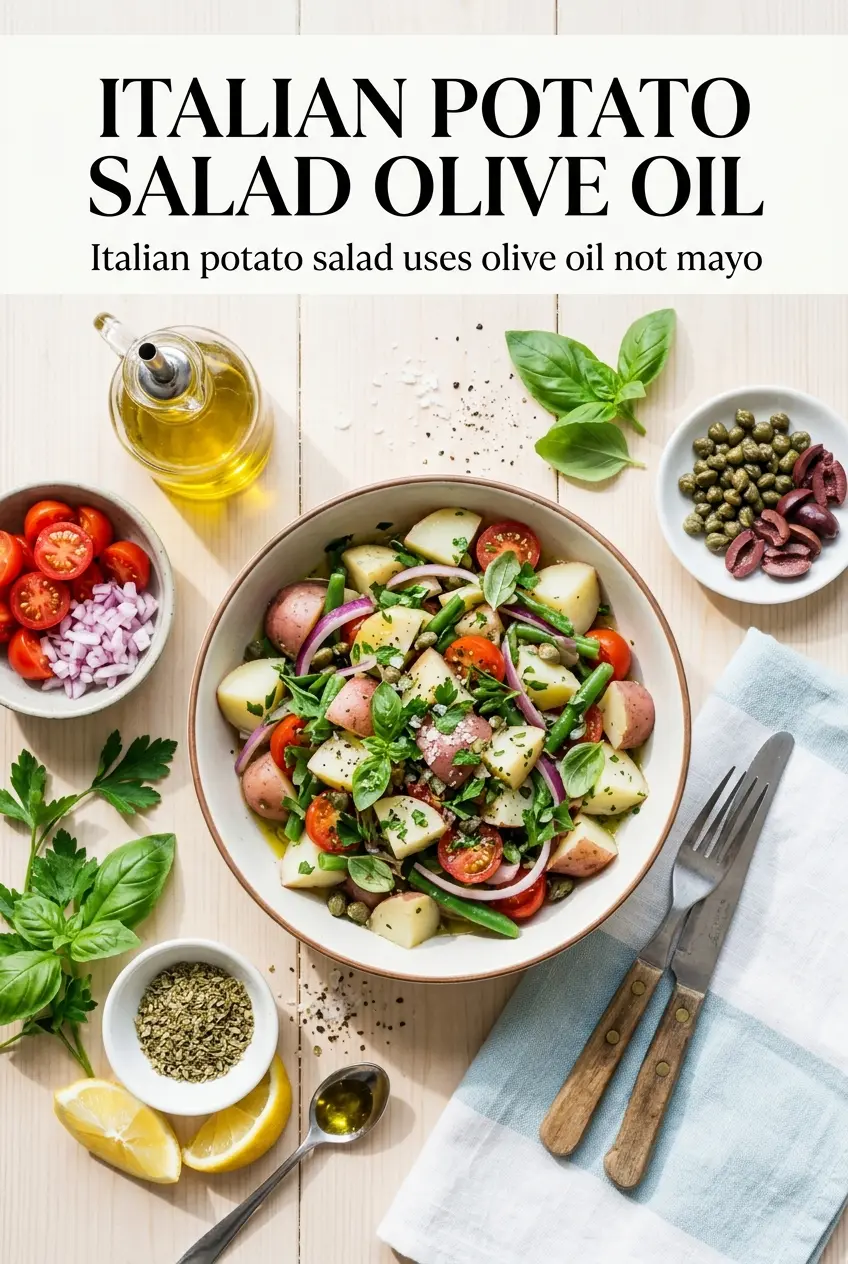
Italian Potato Salad
Ingredients
Equipment
Method
- Boil the red potatoes in a Dutch oven until tender, about 15–20 minutes, until a fork slides in easily. Drain and cool completely so the salad won’t turn watery.
- Combine the potatoes, salami, mozzarella cheese, cherry tomatoes, pepperoncini, and red onion in a large bowl. Toss gently to distribute everything evenly.
- Toss the mixture with Italian dressing until all potatoes are coated. Ensure there are no dry pockets of potatoes.
- Add fresh basil and Parmesan cheese and fold to combine. The basil should look bright and speckled throughout the salad.
- Season with salt and pepper to taste. Mix once more to evenly distribute the seasoning.
- Refrigerate for 2 hours before serving. Cover the bowl to keep the mozzarella fresh and prevent fridge odors from absorbing.