Glossy, sticky, and kissed with grill char, these honey garlic Asian chicken kabobs hit the table with the kind of balance that keeps people reaching for “just one more” skewer. The chicken stays juicy, the pineapple turns jammy at the edges, and the peppers and onions pick up enough heat to soften without losing their bite.
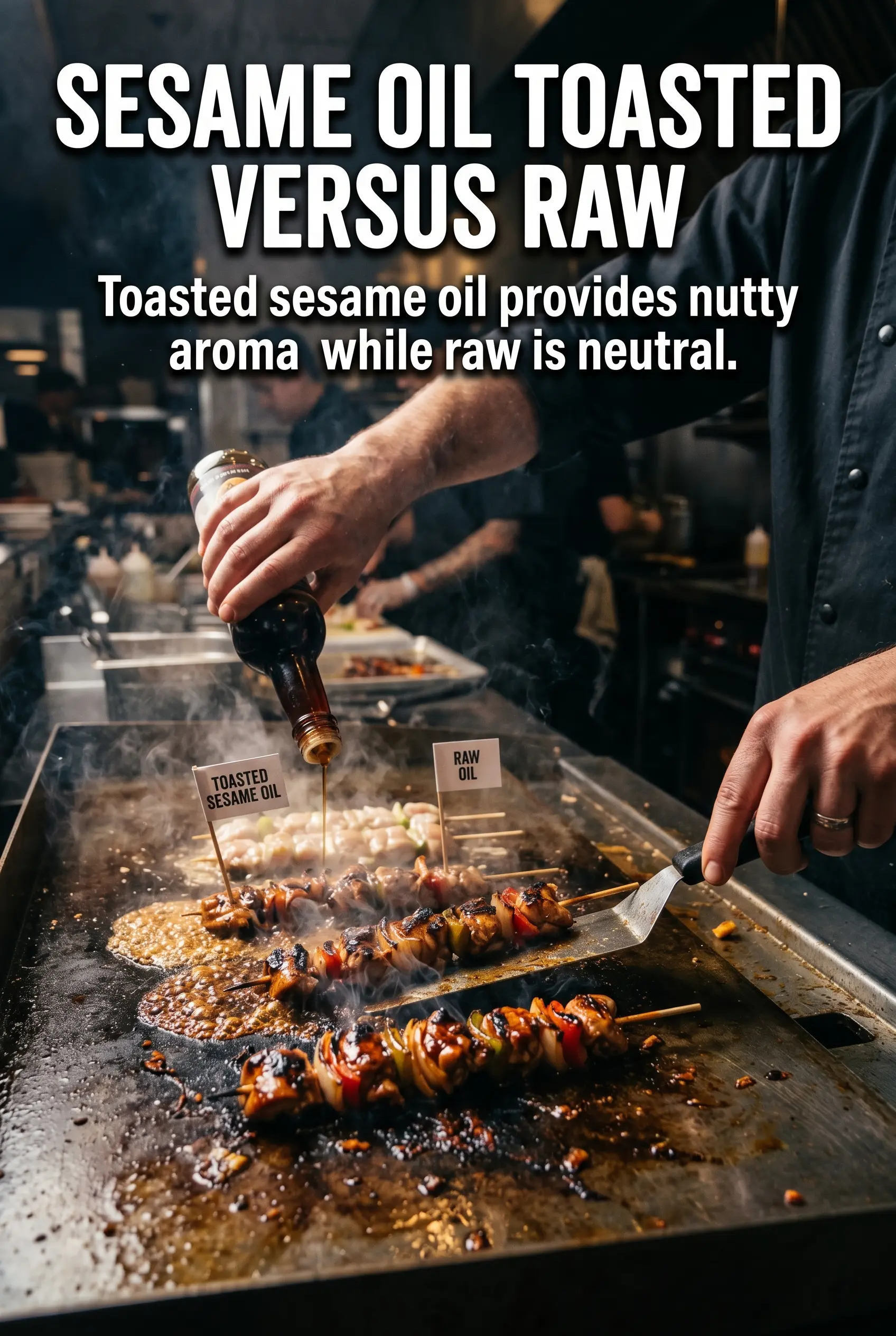
The marinade does the heavy lifting here. Honey gives you sheen and caramelization, soy sauce brings salt and depth, and rice vinegar keeps the glaze from tasting flat or cloying. A little sesame oil and fresh ginger round everything out, and because part of the marinade gets reserved before the raw chicken goes in, you get a clean basting sauce that turns glossy on the grill instead of going muddy.
Below you’ll find the small details that matter most: how long to marinate without turning the chicken woolly, why the skewers need a little breathing room, and the best way to keep the glaze from burning before the chicken is cooked through.
The chicken stayed tender and the glaze got sticky on the grill without burning. I loved how the pineapple and peppers picked up the marinade too — nothing tasted one-note.
Save these honey garlic Asian chicken kabobs for the nights when you want a sticky glaze, charred vegetables, and a grill recipe that actually eats like dinner.
The part that keeps the glaze glossy instead of burnt
The biggest mistake with honey-based kabobs is putting all of the marinade on the raw chicken and then trying to use the same liquid for basting. That turns the sauce into a safety problem, and it also leaves you with a glaze that tastes thin and cooked-down before the chicken is even done. Reserving part of the marinade before the chicken goes in gives you a clean, fresh basting sauce that caramelizes on the grill instead of scorching in the bowl.
The other thing that matters is heat control. Honey needs enough heat to brown, but not so much that the sugars blacken before the chicken cooks through. Medium-high heat works because it sears the outside fast, and the brief rest after marinating keeps the chicken from steaming as soon as it hits the grates.
- Reserved marinade — This is what gives you the shiny finish at the end. Never brush on marinade that touched raw chicken; it needs to stay separate from the start.
- Chicken breasts — Breasts work well here because they cook quickly on skewers and soak up the sweet-salty glaze. Cut them into even cubes so the pieces finish at the same time.
- Pineapple — Fresh or canned both work, but fresh holds up a little better on the grill. The fruit’s acidity helps keep the skewers from tasting overly sweet.
- Rice vinegar — This is what keeps the marinade bright. Apple cider vinegar can step in, but it brings a sharper edge and slightly less clean finish.
What Each Ingredient Is Actually Doing in This Glossy Glaze
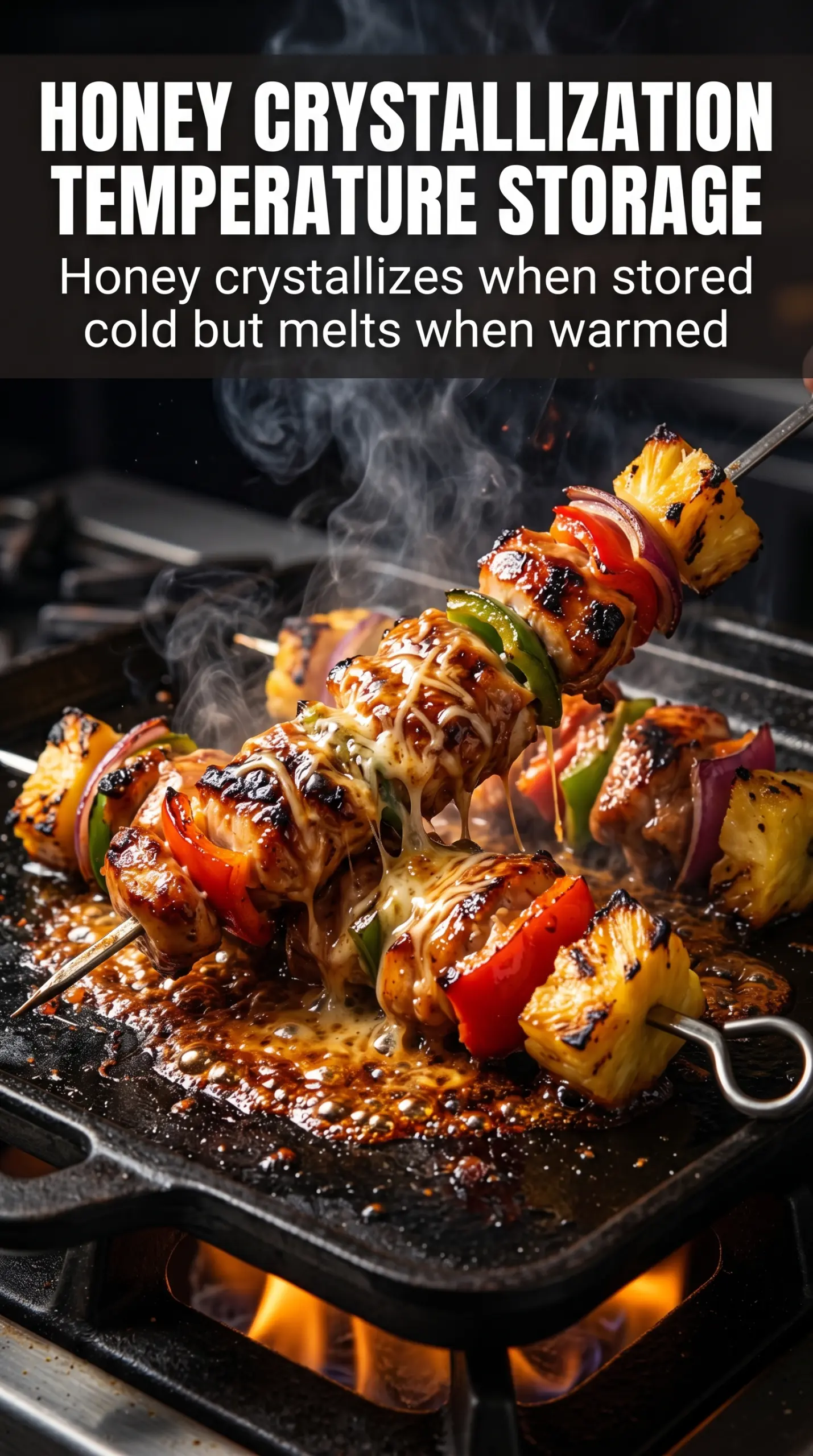
- Sugar or honey (the base) — This creates the gloss and shine. The sugar needs to caramelize without burning.
- Soy sauce or umami element — This adds savory depth to the glaze. It prevents the glaze from tasting one-dimensionally sweet.
- Acid (vinegar or citrus juice) — The acid balances the sweetness and prevents the glaze from tasting cloying. It also helps the glaze set with a shine.
- Butter (a small amount) — Butter creates the glossy finish. It also helps the glaze coat evenly without pooling.
- Cornstarch or arrowroot (if thickening) — A light thickener helps the glaze cling to the food instead of sliding off. Too much makes it thick and dull.
- Garlic and ginger (optional but traditional) — These add complexity and prevent the glaze from tasting flat. They should be minced fine so they distribute throughout.
- Medium heat application — The glaze should be heated through but never boiled hard. High heat burns the sugar and makes the glaze bitter.
- Final brush application (near the end of cooking) — Apply the glaze in the last few minutes. This keeps it glossy instead of drying out or burning.
How to build the skewers so the chicken stays juicy
Mixing the Marinade
Whisk the honey, soy sauce, garlic, rice vinegar, sesame oil, and ginger until the honey fully dissolves and the mixture looks smooth. If the honey clings to the bottom of the bowl, keep whisking a few seconds longer; uneven marinade means uneven browning on the grill. Pull off 1/4 cup before the chicken goes in, then set that portion aside for basting. That little step is what keeps the finished kabobs glossy instead of dull.
Marinating the Chicken
Coat the chicken and let it sit for 1 to 4 hours. One hour gives you good surface flavor, and four hours gives you a deeper savory-sweet edge, but don’t push it much longer or the chicken can get soft and a little mealy from the vinegar. A zip-top bag makes the coating more even than a bowl because the marinade wraps around every piece.
Threading the Skewers
Build the skewers with a little space between each piece of chicken and vegetable. Tight packing traps steam, and steamed skewers don’t char; they just turn pale and wet. If you’re using wooden skewers, soak them long enough that the exposed ends don’t catch the flame, and keep the pieces roughly the same size so the peppers don’t collapse before the chicken is done.
Grilling and Basting
Set the kabobs over medium-high heat and grill for about 5 to 6 minutes per side, turning once the first side has a deep caramelized edge and the chicken releases from the grates more easily. Brush with the reserved marinade as they cook, but stop basting near the end if the sugars start darkening too fast. The chicken is done when the thickest pieces hit 165°F and the juices run clear, and the vegetables should be tender with browned spots, not soft enough to slump off the skewer.
Make it gluten-free with tamari
Swap the soy sauce for tamari in a 1:1 amount and the kabobs keep the same salty-sweet balance. Coconut aminos also works, but the glaze will taste a little softer and sweeter, so add a tiny pinch more salt if it needs lift.
Use thighs for a richer, juicier kabob
Boneless chicken thighs stay more forgiving on the grill and give you a slightly richer bite. They take a minute or two longer than breasts, so watch for color and doneness instead of relying only on the clock.
Make it a little less sweet
Cut the honey back by a tablespoon and add a splash more rice vinegar if you want a sharper, more savory glaze. You’ll lose a touch of shine, but the marinade will taste more balanced if you’re serving it with rice or a sweeter side dish.
Vegetable swap for what you have on hand
Zucchini, mushrooms, or chunks of red onion all work if you don’t have peppers. Pick vegetables that can handle the same grill time as the chicken, or pre-cook the firmer ones slightly so everything finishes together instead of leaving you with raw centers.
Storage and Reheating
- Refrigerator: Store leftovers in an airtight container for up to 3 days. The glaze will set up more in the fridge, so the kabobs won’t look as shiny cold.
- Freezer: Freeze the cooked chicken and vegetables off the skewers for up to 2 months. The pineapple softens a bit after thawing, but the flavor still holds up.
- Reheating: Reheat gently in a covered skillet over medium-low heat or in a 325°F oven until just warmed through. High heat dries the chicken fast and can push the honey glaze into a burnt, bitter edge.
Questions I Get Asked About This Recipe
Honey Garlic Asian Chicken Kabobs
Ingredients
Equipment
Method
- Whisk together honey, soy sauce, garlic, rice vinegar, sesame oil, and ginger until smooth.
- Reserve 1/4 cup marinade for basting and set it aside.
- Add chicken to the remaining marinade and marinate for 1-4 hours in the refrigerator.
- Thread chicken, bell peppers, onions, and pineapple onto soaked wooden skewers, leaving a little space between pieces.
- Preheat the grill to medium-high heat and grill kabobs for 5-6 minutes per side.
- During grilling, baste with the reserved marinade and cook until the chicken is cooked through and the glaze looks glossy.
- Remove kabobs from the grill and garnish with sesame seeds and green onions.