Grilled shrimp boil in foil packets brings all the best parts of a seafood boil to the grill without the big pot, the messy cleanup, or the guesswork. The shrimp stay tender, the potatoes soak up the seasoned butter, and the corn and sausage pick up just enough smoke to make every bite taste like it came off a backyard cookout line.
The key is giving the potatoes a head start so they finish at the same time as the shrimp. Shrimp cook fast, and if you load everything into the packet raw, the seafood is done long before the potatoes are tender. A quick parboil solves that problem, and the butter mixture keeps the Old Bay and garlic clinging to every piece instead of sliding to the bottom of the foil.
Below, I’m walking through the little things that matter most: how to keep the packets sealed, how to tell when the shrimp are just right, and what swaps still work when you want to change up the sausage or make the meal lighter.
The potatoes were perfectly tender after that quick boil, and the shrimp came out juicy instead of overcooked. The butter and Old Bay soaked into everything, and opening the packets at the table was half the fun.
Save these grilled shrimp boil foil packets for an easy grill-night dinner with buttery potatoes, smoky sausage, and Old Bay shrimp.
The Reason the Shrimp Wait for the Potatoes
Foil packets are forgiving, but shrimp are not. They go from tender to rubbery fast, and that’s why the potatoes get parboiled first. If you skip that step, the shrimp will be done before the potatoes are even close, and the whole packet loses its rhythm.
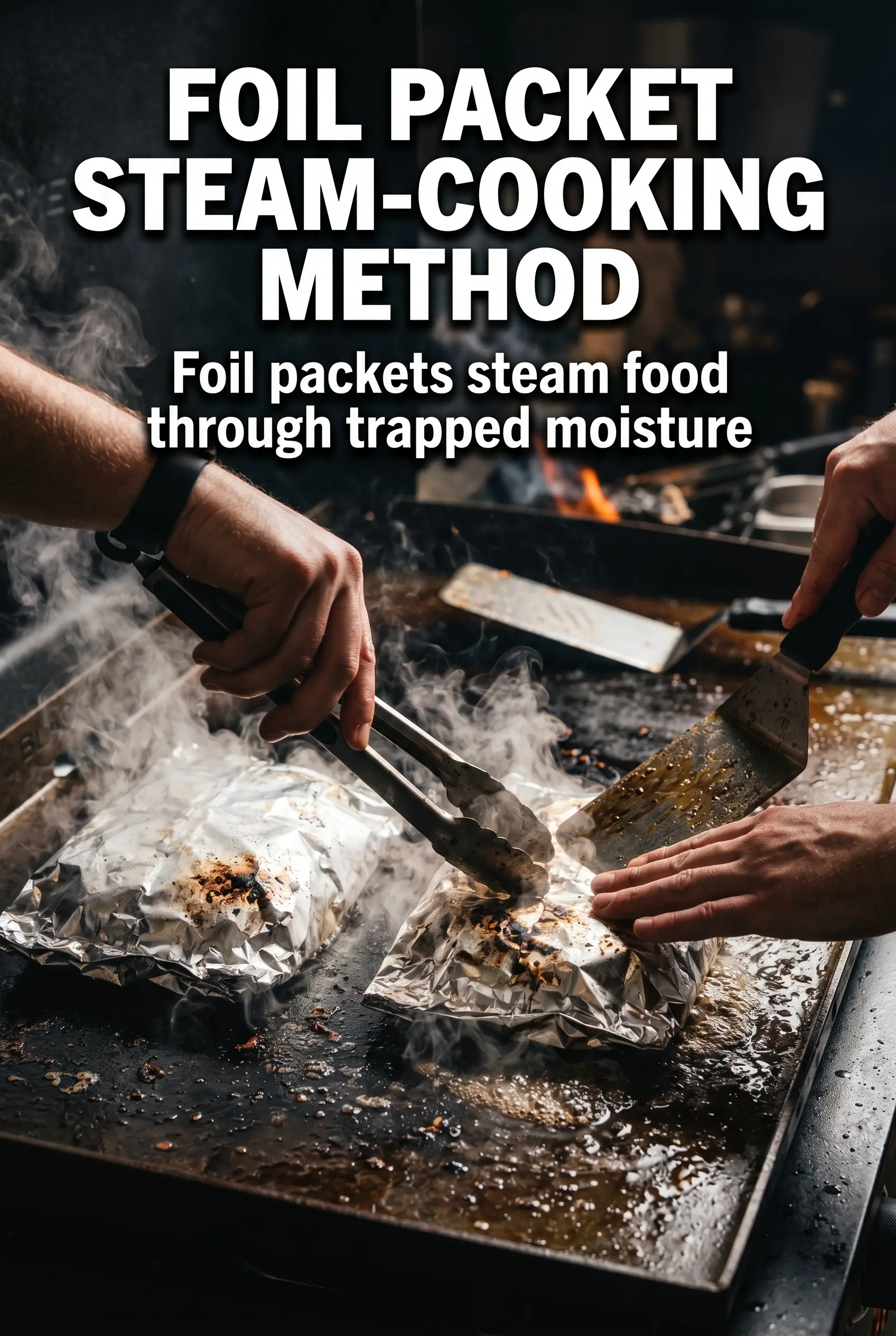
The other thing that matters here is steam. A tight seal keeps the butter, garlic, and seasoning inside the packet so everything cooks in its own little sauna. If your packets leak, the corn dries out and the seasoning runs off the bottom of the foil instead of coating the food.
- Parboiled potatoes — These need the head start. Baby potatoes hold their shape well, and halving them helps them cook through without falling apart.
- Heavy-duty foil — Standard foil can tear when you fold and flip the packets on the grill. Heavy-duty foil gives you a better seal and fewer leaks.
- Smoked sausage — It’s already cooked, which is why it works here. You’re warming it and letting it season the packet, not trying to cook it from scratch.
What the Butter, Old Bay, and Garlic Are Each Doing Here
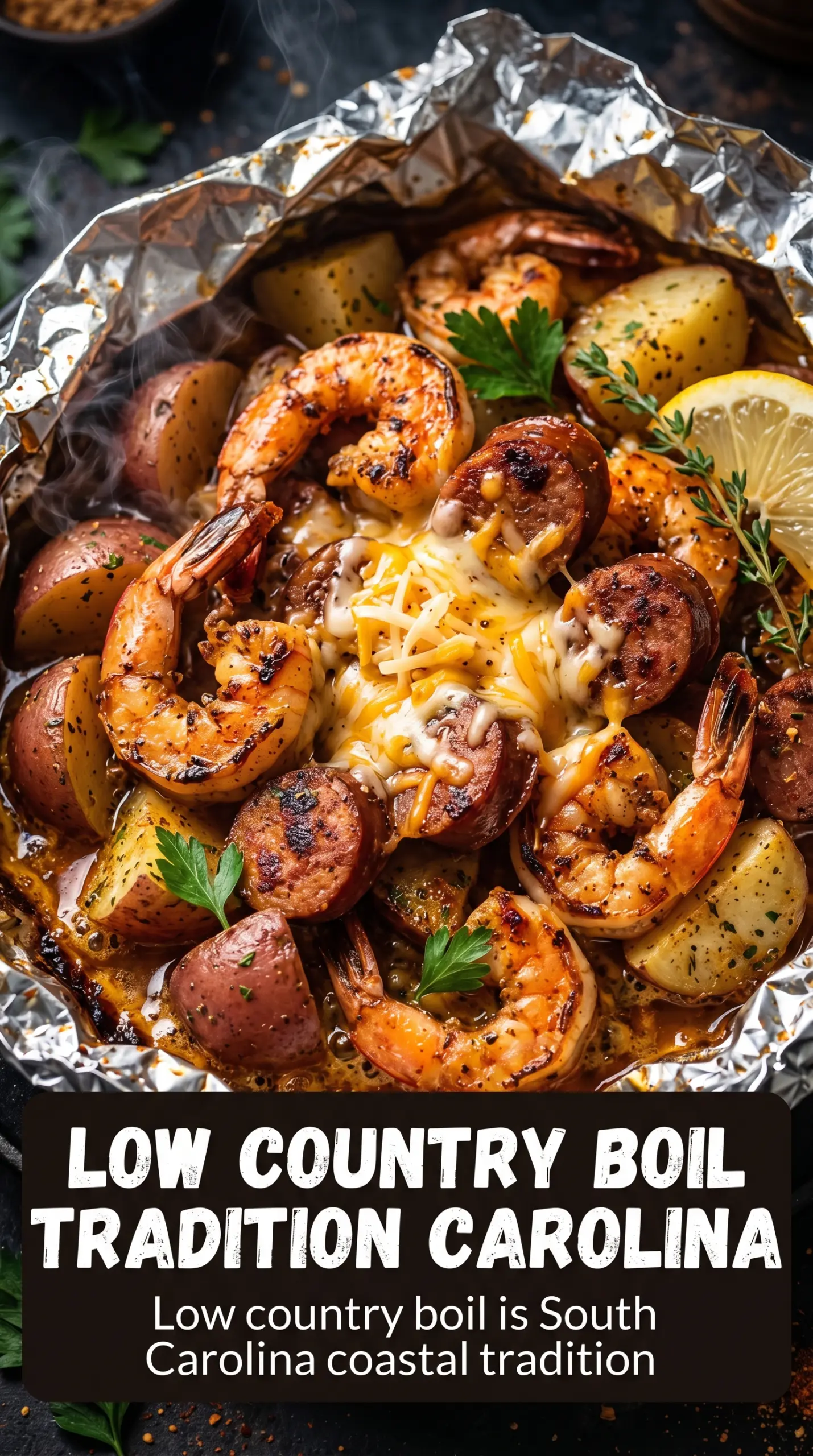
- Shrimp — Large shrimp hold up best on the grill. Smaller shrimp can overcook before the potatoes finish, and peeled shrimp are easier to eat right out of the packet.
- Old Bay seasoning — This is the backbone of the flavor. Nothing else gives quite the same mix of celery salt, paprika, and spice, so use the real thing if you can.
- Butter — Melted butter carries the seasoning and helps coat the ingredients evenly. Olive oil can work in a pinch, but it won’t give you the same rich finish.
- Garlic — Fresh minced garlic softens as it grills and perfumes the butter. Garlic powder works if needed, but fresh gives the packet a deeper, rounder taste.
- Lemon wedges — Add them at the end. The acidity wakes everything up after the grill, especially the sausage and butter.
Building the Packets So Everything Finishes Together
Parboiling the Potatoes First
Bring the potatoes to a boil and cook them just until they’re partially tender, about 8 minutes. They should give a little when pierced with a fork but still hold their shape. Drain them well before they go into the packets, because extra water will thin the butter and make the foil steam instead of grill.
Coating the Seafood and Vegetables
Mix the melted butter, Old Bay, and garlic in a bowl until the seasoning looks evenly suspended in the butter. Divide the shrimp, potatoes, corn, and sausage across the foil sheets, then drizzle the mixture over each portion. If the seasoning pools in one corner, the top layer of food will be bland while the bottom turns too salty, so give each packet a quick toss or gentle fold before sealing.
Sealing and Grilling
Fold the foil closed tightly so the edges are crimped and the steam stays inside. Grill over medium-high heat for 12 to 15 minutes, and don’t open the packets early unless you need to check for doneness. The shrimp should be pink, opaque, and curled into a loose C shape; if they’ve tightened into a hard O, they’ve stayed on too long.
Finishing at the Table
Let the packets rest for a minute off the grill before opening them, because the steam trapped inside is hot enough to burn you. Finish with lemon wedges and parsley so the richness doesn’t dominate the whole dish. That last hit of acid makes the corn taste sweeter and keeps the butter from feeling heavy.
How to Change the Packet Without Losing the Point
Make it dairy-free
Swap the butter for olive oil or melted vegan butter. Olive oil gives you a lighter finish and a cleaner grill flavor, while vegan butter keeps the richer, buttery feel. Either way, the seasoning still clings well as long as you mix it before it goes into the packets.
Skip the sausage for a lighter packet
Leave out the sausage and add an extra ear of corn or a handful of mushrooms. You’ll lose some smoky richness, so add a little extra seasoning and finish with plenty of lemon to keep the packet balanced.
Use Cajun seasoning instead of Old Bay
Cajun seasoning gives you a sharper, pepperier packet with more heat and less celery-salt flavor. Start with a little less than the Old Bay amount if your blend is salty, then taste the butter before it goes into the foil.
Storage and Reheating
- Refrigerator: Store leftovers in an airtight container for up to 2 days. The shrimp are best the first night, and the potatoes will firm up a little as they chill.
- Freezer: I don’t recommend freezing the finished packets. Shrimp and corn both turn watery after thawing, and the texture takes a hit.
- Reheating: Reheat gently in a covered skillet over low heat with a splash of water or butter, just until warmed through. High heat will overcook the shrimp fast, which is the easiest way to ruin leftovers.