Sticky, charred Grilled Huli Huli Chicken earns its place on the grill because the glaze clings instead of sliding off, and the edges turn lacquered and smoky while the middle stays juicy. The sweet-savory balance hits that perfect spot between teriyaki-style comfort and bright pineapple tang, which is exactly why this dish disappears fast once it’s served.
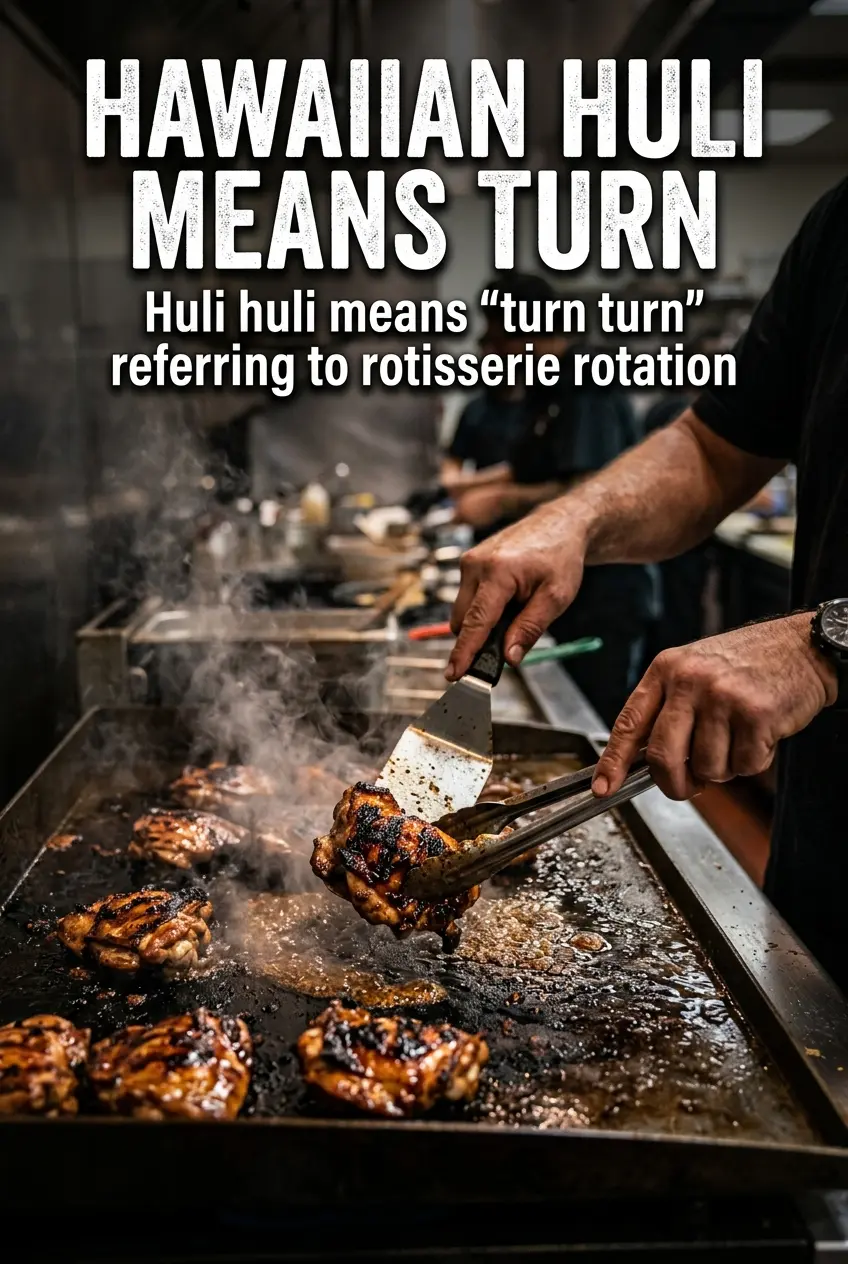
The trick is in the marinade and the basting. Brown sugar and ketchup build body, pineapple juice adds acidity and fruitiness, and the ginger-garlic base keeps the sauce from tasting flat. Turning the chicken often matters here, too — huli means to turn, and that frequent flipping helps the glaze caramelize without burning into a bitter crust.
Below, I’ll walk through the one step that keeps the sauce from scorching, what each ingredient is doing, and the small adjustments that help this work on chicken thighs, legs, or a crowd-sized grill spread.
The chicken picked up that sticky glaze in all the right spots, and turning it often kept the sugars from burning. My husband kept sneaking pieces off the platter before dinner.
Keep this Grilled Huli Huli Chicken handy for smoky grill nights when you want a glossy Hawaiian glaze that turns sticky, caramelized, and fast.
The Trick to Keeping the Sweet Glaze from Burning
Huli Huli Chicken lives or dies by heat control. The marinade has brown sugar and ketchup, which means it can go from glossy to scorched fast if the grill is too hot or the chicken sits untouched for too long. Medium heat gives the sugars time to caramelize while the chicken cooks through, and frequent turning keeps the sauce moving instead of letting one side blacken before the rest is done.
Another thing that helps: reserve some marinade before it touches raw chicken. That basting sauce goes onto the grill chicken and builds the sticky coating you want without cross-contamination. If the glaze starts to look too dark too quickly, shift the chicken to a cooler spot on the grill and keep turning. The goal is a deep amber shine with a few charred edges, not a burnt shell.
What Each Ingredient Is Actually Doing in This Marinade
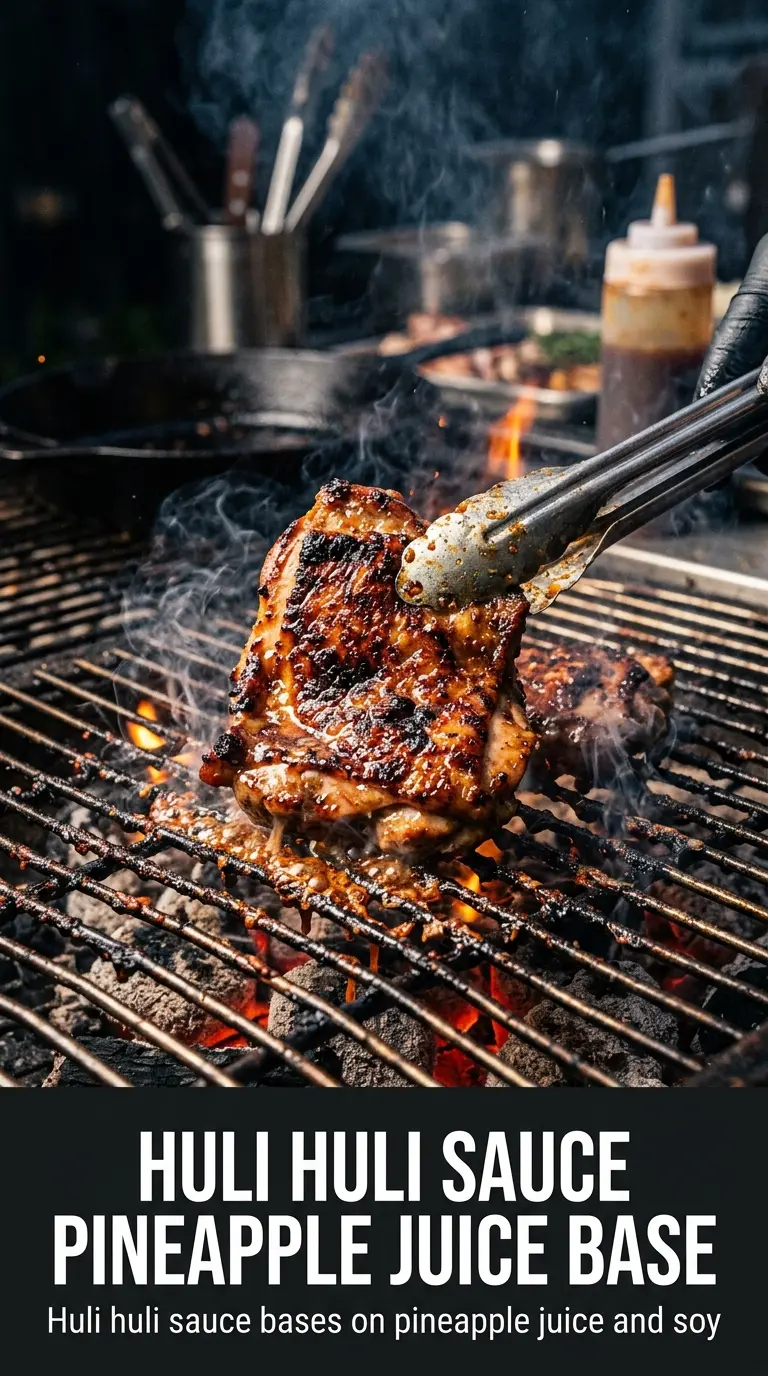
- Chicken thighs or legs — Dark meat is the right choice here because it stays juicy over medium grill heat and stands up to the sweet glaze. Chicken breasts can work, but they dry out faster and need a much closer watch.
- Soy sauce — This is the salty backbone that keeps the marinade from tasting like syrup. Use regular soy sauce for the cleanest balance; low-sodium works if that’s what you keep, but the glaze may need a little longer on the grill to taste fully seasoned.
- Brown sugar — It gives the chicken that lacquered finish once it hits the heat. Don’t swap it for white sugar if you want the same depth and cling.
- Pineapple juice — It brings the classic Hawaiian sweet-tart note and helps tenderize the surface of the chicken. Fresh or canned both work, but avoid heavily sweetened juice drinks.
- Ginger and garlic — These keep the sauce sharp and aromatic so it doesn’t taste one-dimensional. Grate or mince them fine so they melt into the marinade instead of sticking to the grill.
- Sesame oil — A little goes a long way here. It rounds out the marinade with nutty richness, so don’t skip it unless you have to.
Turning, Basting, and Waiting for the Glaze to Set
Mixing the Marinade
Whisk the soy sauce, brown sugar, ketchup, pineapple juice, sherry, ginger, garlic, and sesame oil until the sugar starts dissolving and the mixture looks glossy. If the sugar sits in gritty clumps at the bottom, it won’t coat the chicken evenly. Reserve half a cup before adding the chicken so you’ve got a clean basting sauce later.
Marinating for Real Flavor
Let the chicken sit in the marinade for at least 2 hours and up to 8. Shorter than that, and the flavor stays mostly on the surface; much longer, and the texture can turn a little soft from the pineapple juice. Keep it covered in the fridge, then let the chicken lose some of the chill before it hits the grill so it cooks more evenly.
Grilling and Turning Often
Cook over medium heat and flip the chicken frequently instead of leaving it alone. That constant movement is what builds the huli-style glaze without burning the sugars. If flare-ups happen, move the chicken to a cooler part of the grill and keep going; the sauce will darken beautifully as long as it isn’t sitting in direct high flame.
Finishing to Sticky, Safe Doneness
Baste with the reserved marinade during the last part of cooking, then keep grilling until the chicken reaches 165°F and the outside looks caramelized and a little charred at the edges. The glaze should feel tacky and set, not wet and runny. Let the chicken rest a few minutes before serving so the juices stay in the meat instead of spilling onto the cutting board.
How to Adapt This for Different Grills and Diets
Dairy-Free and Naturally Gluten-Free
This recipe is already dairy-free, and it can be gluten-free if you use tamari or a certified gluten-free soy sauce. The flavor stays the same, but gluten-free soy sauce can taste a touch milder, so let the marinade do the full 2 to 8 hours for the best result.
Using Chicken Breasts Instead of Thighs
Chicken breasts work, but they need a gentler hand. Grill them over medium heat and pull them as soon as they reach 165°F, because the sugar in the marinade can dry them out fast if you overcook them. Slice them after resting so the juices stay in the meat.
No Sherry on Hand
Chicken broth is the easiest swap and keeps the marinade balanced. You’ll lose a tiny bit of the round, almost nutty depth that sherry brings, but the pineapple, ginger, and garlic still carry the dish.
Cooking Indoors on a Grill Pan
A grill pan works when the weather doesn’t cooperate, but it won’t give you the same smoky edge. Use medium heat, brush lightly with oil, and expect more browning than true char. A final minute under the broiler can help mimic the lacquered finish, but watch it closely because the sugar burns fast.
Storage and Reheating
- Refrigerator: Store leftovers in an airtight container for up to 4 days. The glaze will thicken as it chills.
- Freezer: Freeze cooked chicken for up to 2 months. Wrap it well or freeze in a sealed container; the texture stays best on thighs and legs.
- Reheating: Rewarm gently in a covered skillet over low heat or in a 325°F oven with a splash of water. High heat dries out the chicken and can turn the sugars bitter.
Answers to the Questions Worth Asking
Grilled Huli Huli Chicken
Ingredients
Equipment
Method
- Whisk together soy sauce, brown sugar, ketchup, pineapple juice, sherry (or chicken broth), ginger, garlic, and sesame oil until smooth and glossy.
- Reserve 1/2 cup of the marinade in a separate container for basting during grilling.
- Coat the chicken thighs or legs with the remaining marinade and marinate for 2 to 8 hours in the refrigerator.
- Preheat the grill to medium heat, then grill the chicken over medium heat, turning (huli) frequently as it begins to char.
- Baste the chicken with the reserved marinade while grilling, brushing on a sticky layer as the glaze darkens.
- Continue cooking for 25 to 30 minutes total until the chicken reaches an internal temperature of 165°F and the surface is caramelized.