Cowboy Butter Chicken Linguine lands in that sweet spot between weeknight fast and restaurant-level satisfying. The chicken gets a hard sear, the pasta gets coated in a glossy butter sauce, and every bite has that sharp little kick from Dijon, lemon, garlic, and red pepper flakes. It eats like a bowl of comfort, but it never feels heavy or flat.
What makes this version work is the order. The chicken is cooked first so the skillet keeps all those browned bits, then the sauce builds right in the same pan without wasting a thing. Butter, lemon juice, and a splash of pasta water turn into a clingy sauce instead of an oily puddle, and the herbs go in at the end so they stay bright instead of fading into the background.
Keep the heat under control when the butter goes in, and don’t skip the pasta water. Those two details are what keep the sauce glossy and give the linguine that silky coating you want. Below, I’ve added the most useful swaps, storage notes, and the few things people usually get wrong the first time.
The sauce clung to the linguine perfectly, and the lemon kept the butter from tasting heavy. My husband went back for a second bowl before I’d even sat down.
Save this cowboy butter chicken linguine for the night you want a spicy, buttery pasta with a glossy sauce and seared chicken.
The Trick to Keeping the Butter Sauce Glossy, Not Greasy
The sauce in this dish needs a little discipline. If the pan is screaming hot when the butter goes in, the garlic can scorch before the spices bloom, and the sauce turns sharp instead of rounded. Medium heat gives the butter enough time to carry the garlic, paprika, and red pepper flakes without breaking down or going oily.
The other place people run into trouble is the pasta water. Dry linguine tossed with butter and lemon can look fine for about ten seconds, then it turns patchy and clumpy. Starchy pasta water loosens the sauce just enough for it to coat the noodles in a thin, even layer that clings instead of sliding off.
What Each Ingredient Is Actually Doing in Cowboy Butter Chicken Linguine
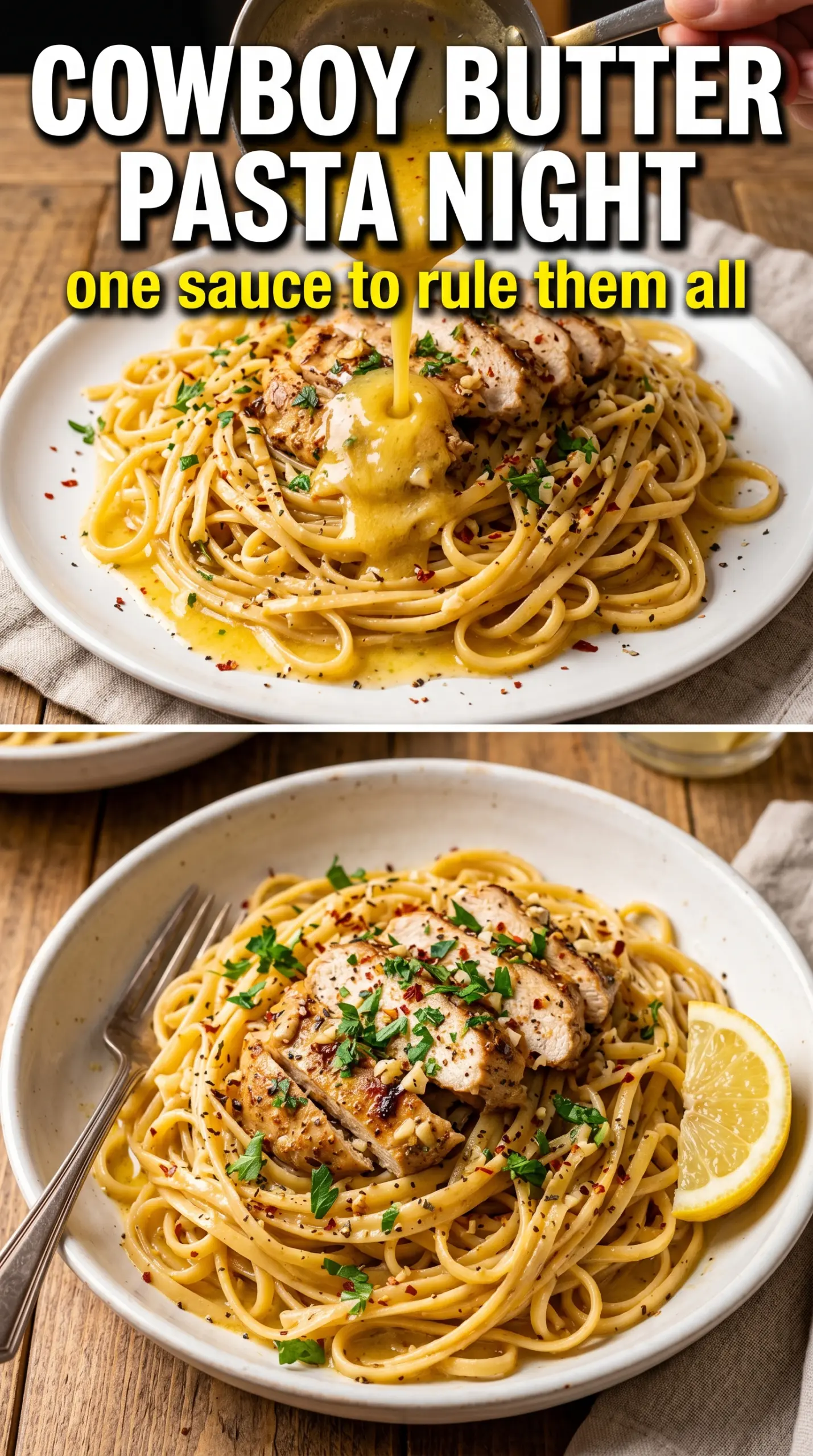
- Chicken breasts — Cutting them into strips gives you more browned edges and keeps the cook time short. Thighs work too if you want a richer bite, but they need a minute or two longer in the pan.
- Cajun seasoning — This is where a lot of the personality comes from, so use one you like the taste of on its own. If yours runs salty, go lighter on the added salt until after the chicken is cooked.
- Butter — This is the base of the sauce, so use real butter, not margarine. Salted or unsalted both work, but unsalted gives you more control once the Cajun seasoning is in the mix.
- Dijon mustard — It doesn’t make the sauce taste mustardy. It sharpens the butter and helps the sauce stay emulsified instead of separating.
- Fresh lemon juice — Bottled lemon juice tastes flat here. Fresh lemon wakes up the butter and keeps the sauce from feeling heavy.
- Fresh parsley and chives — These go in at the end for a clean, fresh finish. Dried herbs won’t give you the same bright lift, and they’ll disappear into the sauce instead of standing out.
Building the Chicken and Sauce in the Same Skillet
Getting the Chicken Charred Fast
Season the chicken generously before it hits the pan. You want the pieces to sizzle the second they touch the oil, which means the skillet should be hot enough to sear but not so hot that the seasoning burns before the meat cooks through. Leave the chicken alone for the first couple of minutes so it can pick up color; if you stir too early, it steams instead of browning. Pull it as soon as the strips are cooked through and the edges look deeply golden.
Using the Brown Bits as the Base
Don’t wipe out the skillet. Those browned bits from the chicken are the backbone of the sauce, and they dissolve into the butter when you add the garlic and spices. Keep the heat at medium and stir the garlic just until it smells fragrant, about a minute, because garlic goes bitter fast once it starts to brown. The paprika and cayenne need only a short bloom in the butter to turn from raw and dusty to round and smoky.
Finishing the Pasta So It Coats, Not Sits
Add the lemon juice and herbs off the heat or with the pan just barely warm. That keeps the parsley from turning dull and helps the butter stay smooth. Toss in the linguine and add pasta water a splash at a time until the sauce looks silky and lightly glossy on every strand. If it starts pooling at the bottom of the pan, it needs another spoonful of pasta water and a bit more tossing, not more butter.
How to Adapt It Without Losing the Point of the Dish
Swap in chicken thighs for a richer skillet pasta
Boneless skinless thighs give you more forgiving, juicier chicken and a deeper savory flavor. They take a little longer to cook, but the texture holds up well under the butter sauce. If you use thighs, keep the heat high enough to brown the outside before the meat overcooks.
Make it gluten-free with a sturdy pasta shape
Use a gluten-free linguine that holds its shape well, and stop cooking it just shy of fully tender so it can finish in the sauce. Gluten-free pasta can go soft fast, so keep some extra pasta water close and toss gently. The sauce still works the same way as long as the noodles have enough starch left to help it cling.
Dial back the heat without losing the cowboy butter character
Cut the cayenne in half and reduce the red pepper flakes if you want a milder bowl. The smoked paprika, garlic, Dijon, and lemon still give you plenty of boldness, so the dish won’t taste bland. What you lose is the little burn at the finish, not the whole point of the sauce.
Add vegetables without watering down the sauce
Sauté sliced bell peppers, mushrooms, or spinach separately or after the chicken comes out, then build the sauce around them. Skip watery vegetables that steam the pan unless you cook off their moisture first. The goal is to keep the skillet hot enough for browning, not to turn the whole thing into a simmering vegetable medley.
Storage and Reheating
- Refrigerator: Store leftovers in an airtight container for up to 3 days. The sauce will tighten as it chills, which is normal.
- Freezer: I don’t recommend freezing this one. Butter sauces and pasta both suffer after thawing, and the texture turns grainy.
- Reheating: Rewarm gently on the stove over low heat with a splash of water or chicken broth. Microwaving on high can split the butter and dry out the chicken, so use short bursts and stir between each one.
Questions I Get Asked About This Recipe
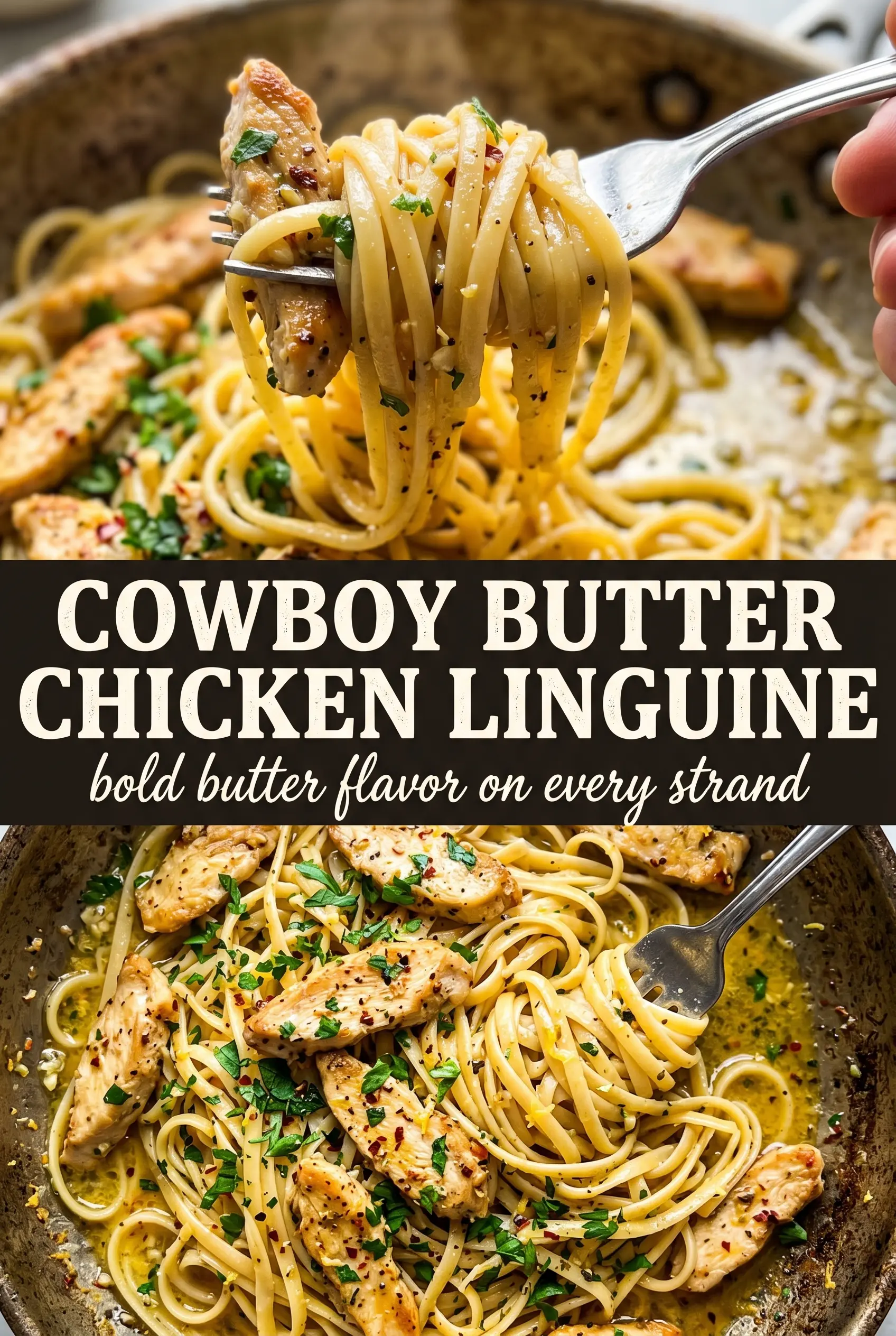
Cowboy Butter Chicken Linguine
Ingredients
Equipment
Method
- Season the chicken strips with salt, pepper, and Cajun seasoning to taste. Heat olive oil in a large skillet over high heat and sear the chicken for 4-5 minutes until charred and cooked through, then remove.
- Melt the butter in the same skillet over medium heat. Add the minced garlic and cook for 1 minute.
- Stir in the Dijon mustard, smoked paprika, red pepper flakes, and cayenne pepper. Cook for 30 seconds to bloom the spices with the butter.
- Stir in the fresh lemon juice, chopped parsley, and chopped chives. Toss the cooked linguine in the cowboy butter sauce, adding reserved pasta water as needed until glossy and evenly coated.
- Top the pasta with the seared chicken strips so they fan over the linguine. Serve immediately while the sauce is glistening.