Zucchini lasagna earns its place when you want all the comfort of a baked pasta casserole without the heavy, slippery middle that ruins so many low-carb versions. When it’s done right, the slices hold together in clean, distinct layers: savory meat sauce, creamy ricotta, tender zucchini, and a browned mozzarella top that sets up just enough as it rests. The key is treating the zucchini like a vegetable with a lot of water, not like a noodle that will magically behave in the oven.
That means salting the planks first, drying them well, and giving them a short roast before assembly. Those extra steps pull out moisture before it can leak into the pan and dilute the sauce. I also like a thicker meat sauce here, because a loose one will slide between the layers and make the whole dish collapse when you cut it.
Below, I’ll walk through the part that matters most: how to keep zucchini lasagna from turning soupy, plus the small ingredient choices that help each layer stay in place.
I was nervous about the zucchini making it watery, but salting and roasting the planks first made all the difference. The slices held together beautifully after resting, and even the next day the leftovers reheated without turning mushy.
Save this zucchini lasagna for the night you want sturdy layers, rich meat sauce, and a no-noodle bake that slices cleanly.
The Reason Zucchini Lasagna Turns Watery Before It Fails
The common mistake is building this dish like a regular lasagna and hoping the zucchini will behave like pasta. It won’t. Zucchini releases moisture twice: once when it hits salt, and again as it heats in the oven. If you skip either the salting or the quick roast, that moisture ends up in the pan and the layers start to slide before the center sets.
The other thing that matters is sauce thickness. A loose marinara pours through the layers and puddles at the bottom, which is why a simmered meat sauce works better than a straight jarred sauce here. You want something that clings to the spoon, not a thin red broth. That little bit of structure is what lets the casserole cut into actual squares instead of a pan of ragged slices.
- Zucchini planks — Cut them lengthwise into even 1/4-inch slices so they roast at the same rate. Thicker planks stay too wet; thinner ones can disappear into the filling.
- Marinara sauce — A good jarred sauce is fine here, but simmer it with the browned meat so it tightens up. A watery sauce is one of the fastest ways to lose the layers.
- Ricotta — Full-fat ricotta gives the filling a richer body and helps it hold between the zucchini sheets. Part-skim works, but it can feel a little looser unless you drain it first.
- Mozzarella — Shredded low-moisture mozzarella melts into a clean, stretchy top without making the casserole soggy. Fresh mozzarella is too wet for this version unless you blot it dry and use it sparingly.
What Each Layer Is Doing in the Pan
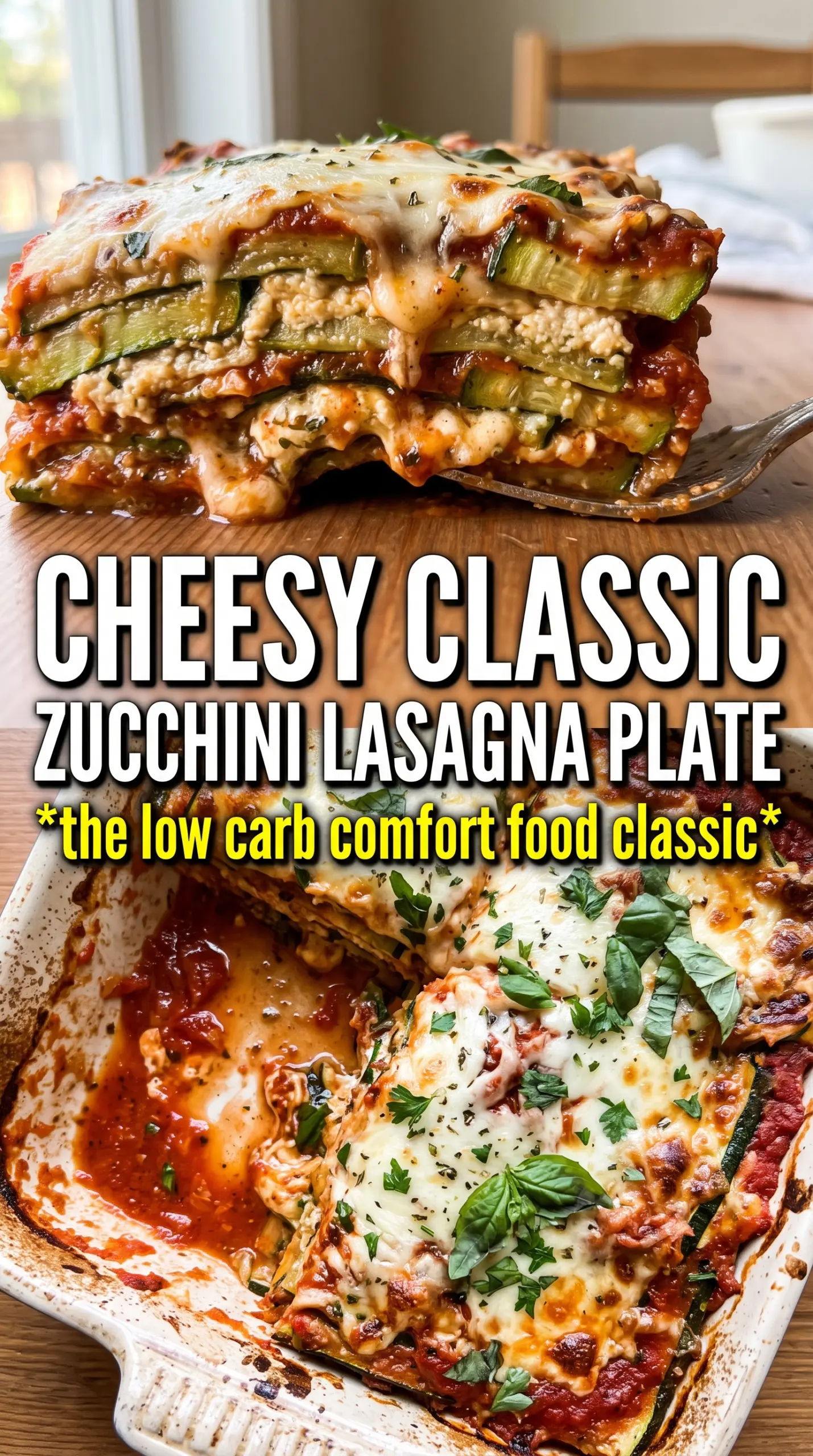
Zucchini: The salt-and-roast treatment is the whole game. Salting draws out surface water, and the oven finishes the job by evaporating what’s left. If you only salt and skip the roast, you still risk a wet pan.
Ground beef or Italian sausage: Beef gives you a cleaner, more classic casserole flavor. Sausage brings more seasoning and a little grease, which can be great if you want a deeper, punchier sauce. If you use sausage, drain it well after browning so the dish doesn’t get oily.
Ricotta mixture: The egg helps the ricotta set instead of seeping out when you cut the lasagna. Parmesan adds salt and body, and parsley brightens the richness so the middle doesn’t taste flat. If your ricotta looks loose, stir it and let it sit for a minute before assembling; some brands are just wetter than others.
Parmesan and mozzarella: Parmesan gives you the salty edge that keeps the dish from tasting heavy. Mozzarella brings the melt and the browned top. Use freshly shredded cheese if you can, because the pre-shredded kind is coated to prevent clumping and won’t melt quite as smoothly.
Building the Layers So They Stay Standing
Drying Out the Zucchini
Lay the sliced zucchini on a sheet pan or baking rack, salt both sides, and let it sit long enough to pull visible moisture to the surface. Then blot every plank with paper towels until they feel dry and a little flexible, not slippery. The quick roast on a hot oven sheet pan does the part the towel can’t, especially in the centers of thicker slices. If you skip this, the lasagna will still taste good, but the bottom will soften and the slices won’t hold as cleanly.
Making a Sauce That Clings
Brown the meat with the onion until the onions turn soft and the meat has some browned edges, then drain off the fat before adding garlic. Garlic only needs a minute in the pan, just until fragrant, or it can turn bitter. Stir in the marinara and seasoning and let it simmer until it looks thick enough to mound slightly on a spoon. A thin sauce is the quickest route to a collapsed lasagna.
Assembling for Clean Slices
Start with a little meat sauce in the bottom of the dish so the first layer doesn’t stick. Build in even layers, pressing the zucchini down just enough to nestle it into the ricotta without squeezing the filling out the sides. End with meat sauce and mozzarella on top so the cheese can brown instead of drying on the surface. If the pan looks overfilled, it’s already too much; lasagna needs room for heat to move through the center.
Baking Until It Sets
Cover the dish with foil for the first part of baking so the middle heats through before the top browns. Uncover for the last stretch and watch for bubbling around the edges and a golden top with a few browned spots. The lasagna needs its rest after baking, because that’s when the cheese and sauce settle into firm layers. Cut it too soon and the filling will run.
How to Adapt This for Different Kitchens and Different Diners
Make It with Italian Sausage
Swap the ground beef for Italian sausage if you want a fuller, more seasoned sauce with less work. The result will be a little richer and saltier, so taste before adding extra salt to the sauce or ricotta mixture.
Dairy-Free or Lighter Cheese Version
Use a dairy-free ricotta substitute and shredded dairy-free mozzarella if you need a lactose-free pan. The texture will be a little softer and less creamy, so let the finished lasagna rest a full 20 minutes before slicing.
Extra-Low-Carb, No Added Sauce Sugar
Choose a marinara with no added sugar if you’re keeping the carbs as low as possible. The lasagna still tastes balanced because the browned meat, ricotta, and cheese bring enough richness to round it out.
What to Do If Your Zucchini Is Extra Large
Big zucchini often have softer centers and more water, so slice the planks a little thicker and roast them a few minutes longer. If the seeds are especially large and spongy, trim those sections away so they don’t dump moisture into the casserole.
Storage and Reheating
- Refrigerator: Store covered for up to 4 days. The layers will tighten as they chill, which makes the leftovers slice neatly.
- Freezer: It freezes well in individual portions. Wrap tightly, freeze up to 2 months, and thaw overnight in the fridge before reheating.
- Reheating: Warm covered in a 350°F oven until heated through, or reheat single slices in the microwave at medium power. High heat can make the zucchini release more water and turn the cheese rubbery.
Questions I Get Asked About This Recipe
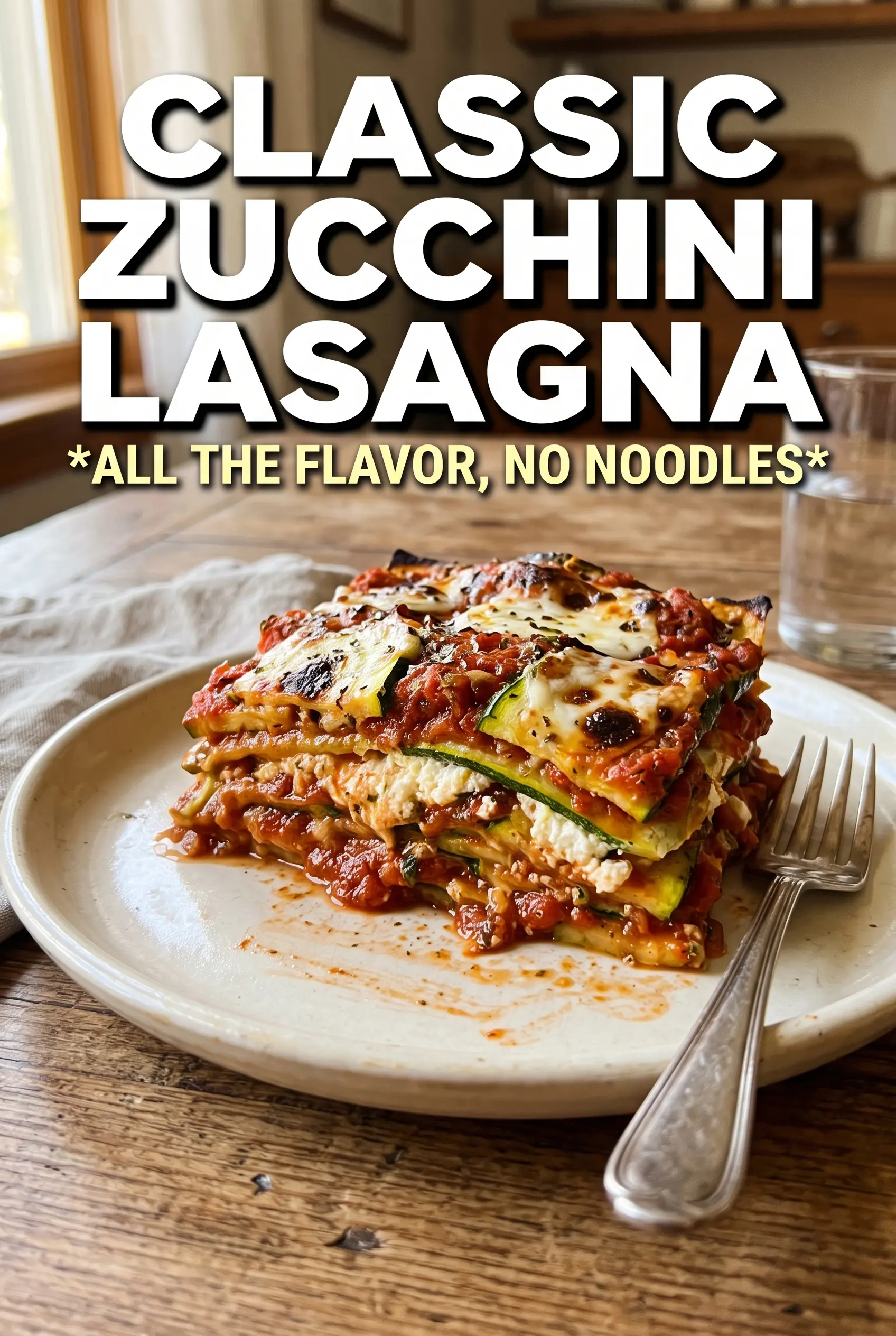
Classic Zucchini Lasagna
Ingredients
Equipment
Method
- Salt the zucchini planks and let sit for 20 minutes, then pat very dry with paper towels to prevent a watery lasagna.
- Grill or roast the zucchini planks on a sheet pan in a 425°F oven for 10 minutes to remove more moisture, then set aside.
- Preheat the oven to 375°F.
- Brown the ground beef with the onion, drain the fat, then add the garlic, marinara sauce, and Italian seasoning and simmer for 10 minutes.
- Mix the ricotta with the egg, parmesan, parsley, and salt and pepper to taste until smooth.
- Assemble in a 9x13 dish by spreading 1/2 cup meat sauce, then layering zucchini planks, spreading the ricotta, adding meat sauce, and topping with mozzarella.
- Repeat the layers until you end with meat sauce and mozzarella on top, then cover with foil.
- Bake covered for 40 minutes at 375°F, then uncover and bake 15 minutes until golden and bubbly.
- Rest for 15 minutes before cutting, then serve with extra parmesan and fresh basil.