Tender chicken, crisp vegetables, and a glossy soy-ginger sauce make this Chinese chicken stir fry the kind of dinner that disappears fast. The chicken stays juicy because it gets a light coating of cornstarch before it ever hits the wok, and the sauce clings instead of pooling at the bottom of the pan. You get that takeout-style sheen without a heavy, gloopy finish.
What makes this version work is timing. The chicken cooks first so it can brown properly, then comes out of the pan while the vegetables pick up a little color and stay bright. Garlic and ginger only need a quick stir at the end so they perfume the sauce without burning, which is the difference between clean, savory flavor and a harsh, bitter edge.
Below, I’ve included the small details that matter most: how hot the pan should be, why the sauce thickens the way it does, and a few smart swaps if you need to work with what’s already in your kitchen.
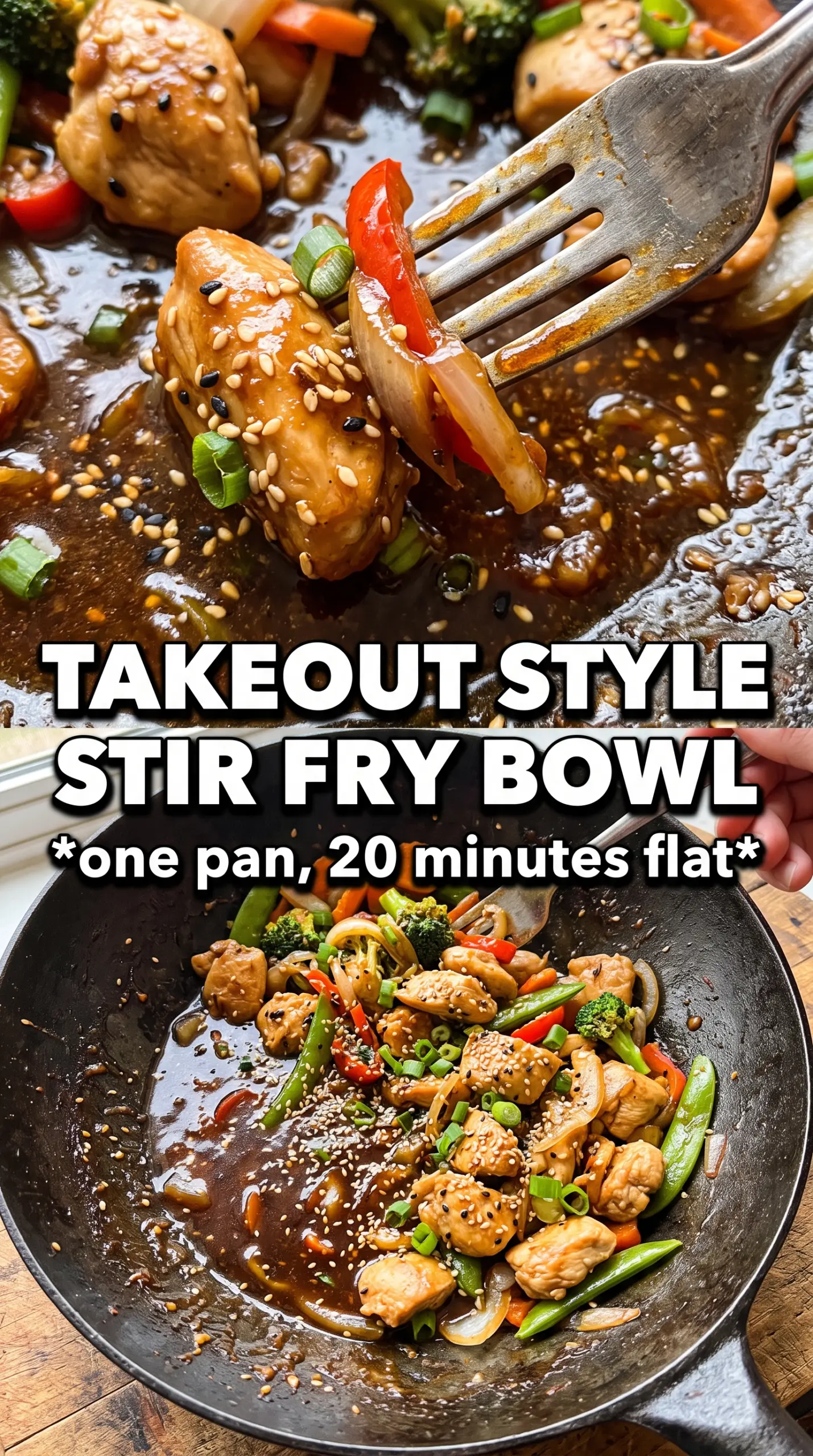
The chicken stayed tender and the sauce thickened up exactly right in the wok. I loved that the broccoli still had some bite and the whole dish tasted even better the next day.
Save this Chinese chicken stir fry for the night you want glossy takeout-style sauce, crisp vegetables, and dinner on the table fast.
The Secret to Keeping the Chicken Juicy While the Vegetables Stay Crisp
The biggest mistake in stir fry is crowding the pan and treating every ingredient like it needs the same amount of time. Chicken breasts dry out fast if they sit too long over high heat, and vegetables lose their snap if they steam in a full skillet. This recipe avoids both problems by cooking the chicken first, then moving it out of the way while the vegetables stay in constant motion.
The cornstarch on the chicken is doing more than thickening the sauce later. It helps protect the meat from the direct blast of heat and gives the sauce something to grab onto once everything comes back together. If your stir fry has ever tasted thin or separate, that missing coating is often the reason.
- Chicken breasts — Thin slicing matters more than almost anything else here. Cut against the grain into even strips so the chicken cooks quickly and stays tender instead of tightening up before the vegetables are done.
- Cornstarch — This is what gives the chicken that lightly velvety exterior and helps the sauce cling. A substitute won’t give the same glossy finish, but arrowroot can stand in if that’s what you have.
- Soy sauce, oyster sauce, and hoisin — This is the backbone of the sauce. Soy gives salt and depth, oyster sauce adds body, and hoisin brings sweetness and roundness; using only soy sauce makes the dish taste flatter and thinner.
- Chicken broth — It loosens the sauce just enough to let the cornstarch bloom evenly. Water works in a pinch, but the sauce tastes fuller with broth.
What Each Ingredient Is Actually Doing in This Recipe
- Primary ingredient (the star) — Quality matters most. Choose the best you can find.
- Cooking medium (oil, butter, or broth) — This carries flavors and prevents dryness.
- Seasonings (salt, pepper, spices, herbs) — Layer flavors so nothing overpowers. Build depth gradually.
- Aromatics (garlic, onion, herbs) — Cook with fat to bloom flavors. Become the foundation.
- Supporting ingredients — Complement the main ingredient without overpowering it.
- Sauce or liquid (if applicable) — Brings flavors together. Balance richness with acid.
- Acid (lemon, vinegar, wine, or other) — Brightens and prevents flat-tasting results.
- Final finish (garnish, glaze, or sauce) — Prevents one-dimensional taste and adds visual appeal.
Building the Wok in the Right Order
Coating the Chicken First
Toss the sliced chicken with cornstarch, salt, and white pepper until every piece looks lightly dusted, not pasty. That thin coating helps the chicken brown and keeps the sauce from sliding off later. If you see clumps, break them up now; clumps turn gummy once they hit the hot pan.
Getting Color on the Chicken
Heat the oil until it shimmers and just begins to smoke before the chicken goes in. That heat is what gives you browned edges instead of pale, boiled-looking meat. Spread the chicken out in a single layer and let it sit long enough to color before stirring, because constant movement at this stage can stop the sear from forming.
Keeping the Vegetables Bright
Stir-fry the peppers, broccoli, and carrot just until the broccoli turns vivid green and the peppers soften at the edges. The vegetables should still have some resistance when you bite them. If the pan starts to dry out or scorch, a splash of sauce or broth will cool it down, but don’t add water early or the vegetables will steam.
Thickening the Sauce and Bringing It Together
Whisk the sauce until the cornstarch disappears before it ever hits the heat, then pour it into the hot wok and keep it moving. It will look thin for a moment and then turn glossy and thicker as soon as it starts bubbling. Return the chicken only after the sauce has tightened a little, or the coating can loosen and you’ll lose that clingy finish.
How to Adapt This Stir Fry Without Losing the Good Part
Make It Gluten-Free
Use tamari instead of soy sauce and check that your oyster sauce is labeled gluten-free. The flavor stays close to the original, and the sauce still thickens the same way because the cornstarch is doing that work, not the wheat.
Swap in Chicken Thighs for a Richer Result
Boneless skinless thighs stay a little juicier and give you a deeper, richer bite. They may need an extra minute or two in the wok, but don’t overcook them waiting for a hard sear; the sauce brings plenty of color and flavor on its own.
Make It Vegetarian
Swap the chicken for extra-firm tofu or a mix of mushrooms and cauliflower, and use vegetable broth in the sauce. Tofu benefits from a quick cornstarch coating just like chicken, while mushrooms give you the savory bite that keeps the dish from feeling empty.
Storage and Reheating
- Refrigerator: Store in an airtight container for up to 4 days. The vegetables soften a little, but the sauce keeps everything flavorful.
- Freezer: It freezes, but the vegetables lose their crisp texture. Freeze only if you’re fine with a softer stir fry after thawing.
- Reheating: Warm it in a skillet over medium heat with a splash of broth or water. The common mistake is blasting it in the microwave until the chicken turns tough and the sauce separates.
Questions I Get Asked About This Recipe
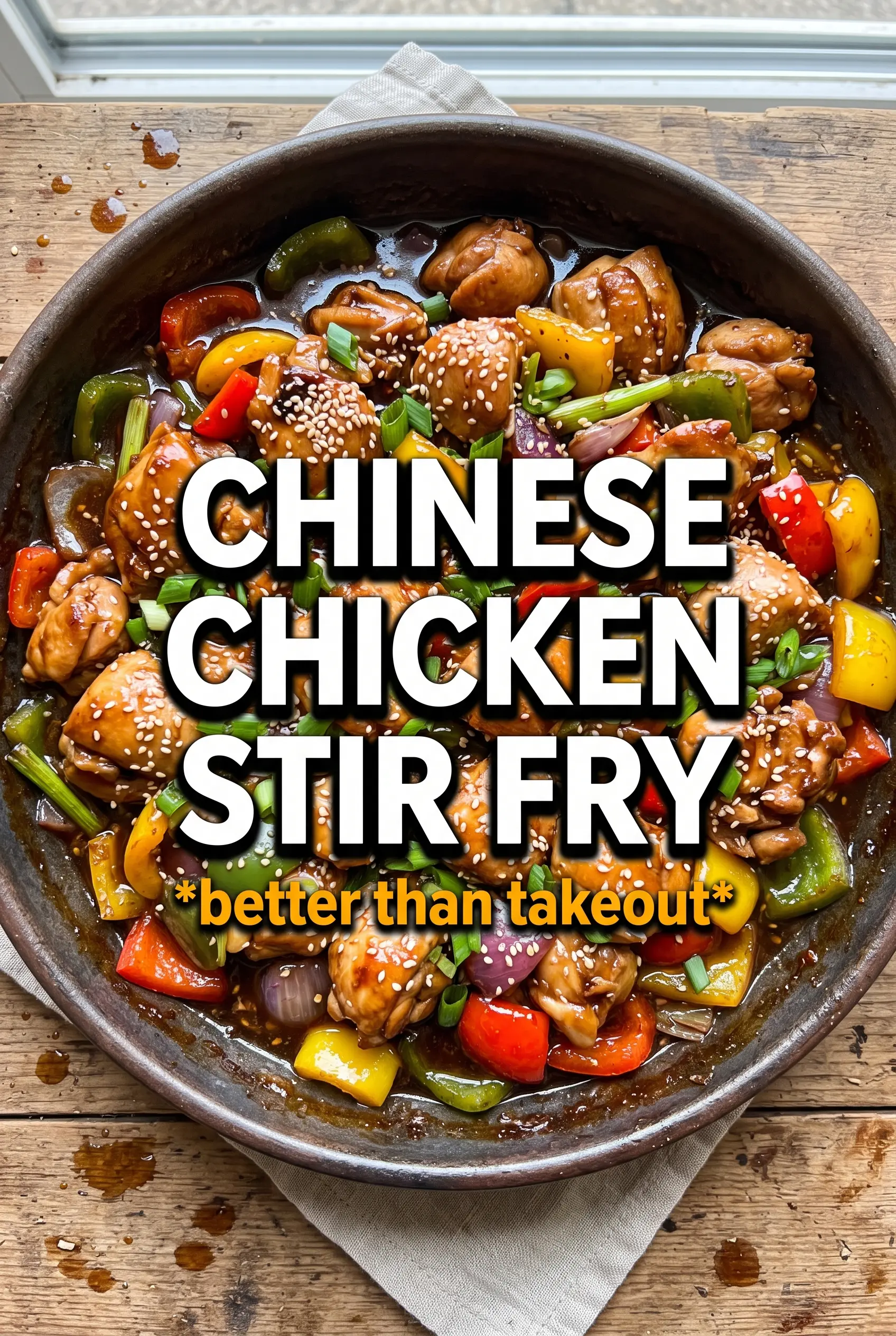
Chinese Chicken Stir Fry
Ingredients
Equipment
Method
- Toss the thinly sliced chicken with cornstarch, salt, and white pepper until evenly coated, with no dry spots left on the strips.
- Whisk together soy sauce, oyster sauce, hoisin sauce, brown sugar, sesame oil, cornstarch, and chicken broth until the cornstarch fully dissolves and the mixture looks smooth.
- Heat vegetable oil in a wok or large skillet over high heat until smoking.
- Add the chicken and cook for 4-5 minutes, stirring once or twice, until golden and cooked through; remove to a plate when done.
- Stir-fry the bell peppers, broccoli, and carrot for 3-4 minutes over high heat until bright and just tender-crisp.
- Add garlic and ginger and stir-fry for 30 seconds, keeping the pan hot so the aromatics are fragrant.
- Pour in the sauce and stir for 1-2 minutes until thickened and glossy, with a visible dark coating on the vegetables.
- Return the chicken to the pan and toss until the strips are coated in the sauce and everything is evenly combined.
- Serve the stir fry over white rice and top with sesame seeds and green onions, letting the sauce glisten over the hot grains.