Hot, juicy steak piled into a toasted hoagie roll with melted provolone and sweet peppers is the kind of sandwich that disappears fast. The griddle does the heavy lifting here: the onions and peppers soften and caramelize while the ribeye picks up those browned bits without drying out, and the bread gets just enough buttered crunch to hold everything together.
What makes this version work is timing. The vegetables cook first so they can build sweetness without crowding the steak, and the steak goes on last, over high heat, where it can sear instead of steam. Thin ribeye gives you the best texture, but the real win is chopping it as it cooks so every bite stays tender and easy to eat.
Below, I’m walking through the small details that matter on a Blackstone, plus the swaps that still keep the sandwich satisfying when you don’t have ribeye on hand.
The steak stayed tender, the onions got sweet without burning, and the provolone melted right over everything instead of turning oily. Toasting the rolls on the griddle was the part that made the whole sandwich work.
Blackstone Philly Cheesesteak Sandwiches with melty provolone and griddled peppers belong on your Pinterest board for the nights you want a fast, messy, straight-off-the-griddle dinner.
The Part Most Cheesesteaks Get Wrong on a Griddle
The biggest mistake is cooking everything together from the start. On a Blackstone, onions and peppers need a head start because they release water before they caramelize, and if the steak goes in too early, it steams in that moisture instead of browning. That leaves you with gray meat and limp vegetables, which is exactly the opposite of what you want in a cheesesteak.
The second trap is slicing the steak too thick. Ribeye should be cut thin enough that it cooks in minutes, not enough to need a long sear. If the pieces are bulky, the outside overcooks before the middle turns tender, and you lose the soft, rich texture that makes this sandwich work.
- Cook the vegetables first. They need space and time to soften, brown, and concentrate their flavor.
- Use thin ribeye. It cooks fast and stays juicy when chopped on the griddle.
- Keep the heat up. Medium-high is the sweet spot for browning without drying out the steak.
- Toast the rolls last. Warm bread matters, but it should stay sturdy, not sit on the griddle long enough to get brittle.
What the Ribeye, Provolone, and Hoagie Roll Are Each Doing Here
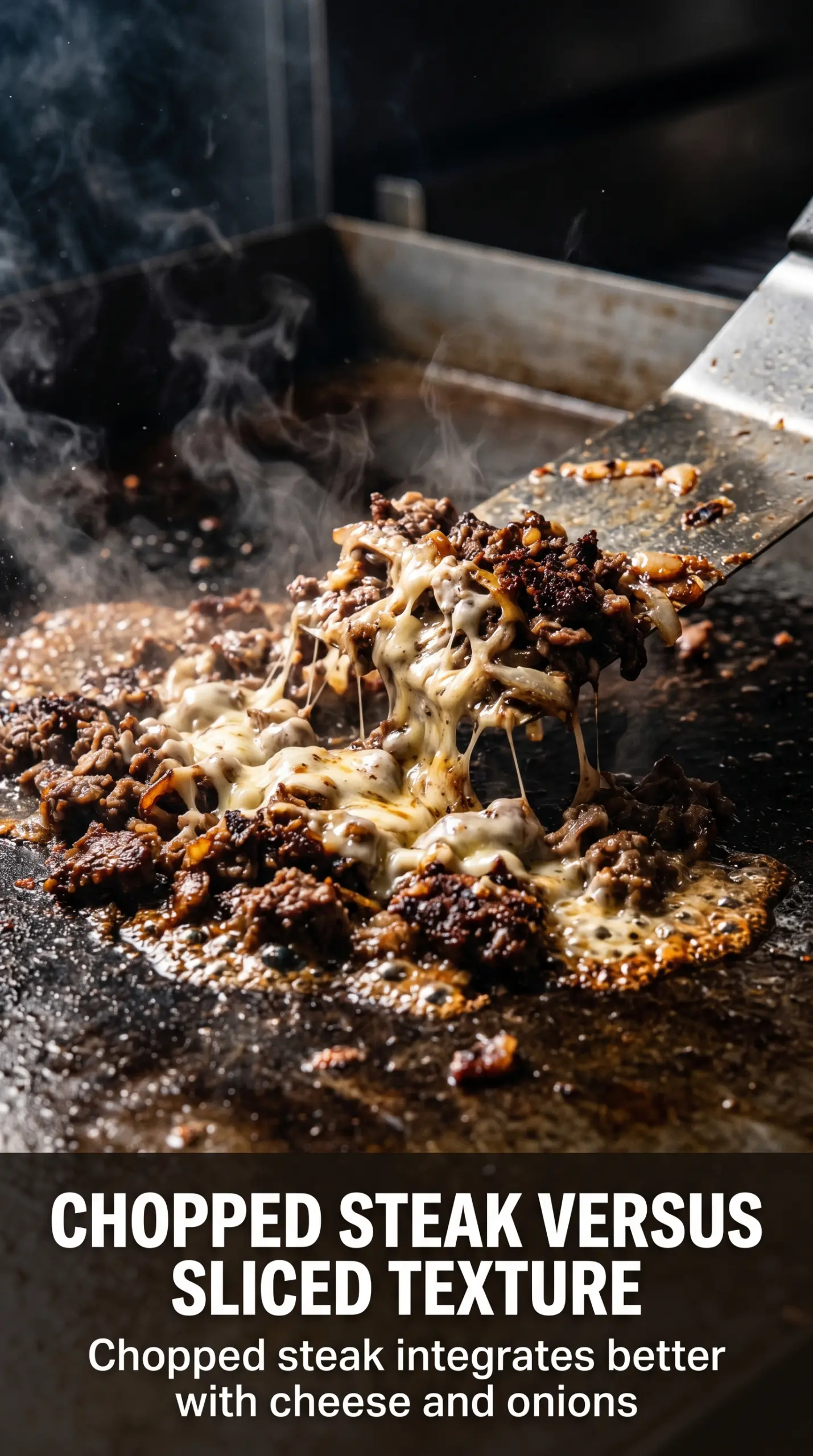
- Ribeye steak — This is the right cut because it has enough marbling to stay tender and flavorful on a hot griddle. If you need a swap, shaved sirloin works, but it won’t have the same richness, so don’t overcook it.
- Onions and green bell peppers — The onions bring sweetness, and the peppers keep the sandwich from tasting flat. Yellow onions work in place of white onions if that’s what you have, and they’ll give you a slightly deeper sweetness.
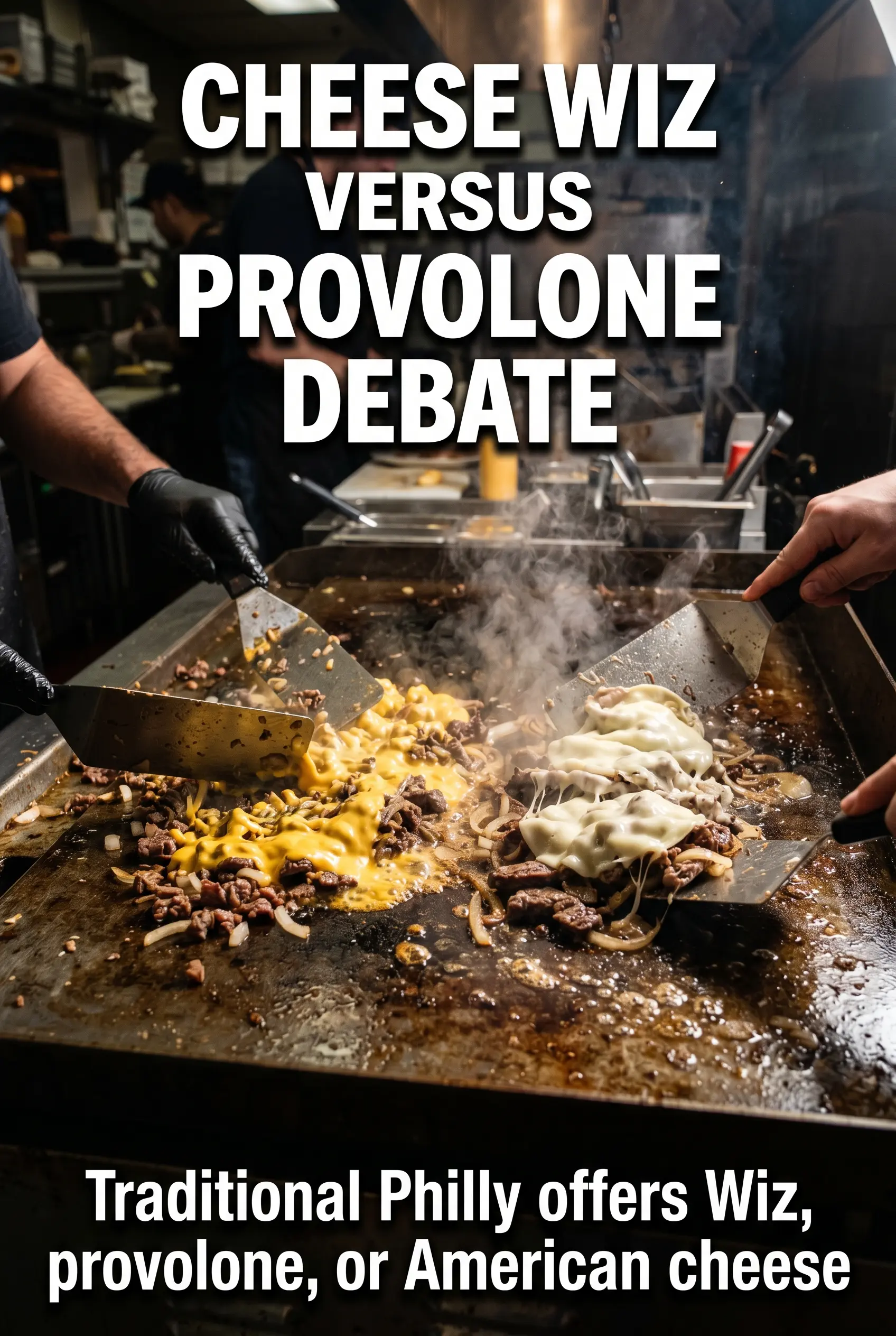
- Provolone cheese — It melts cleanly and blankets the filling without getting greasy. If you want a stronger cheese pull, use American slices for some of the provolone, but provolone gives the most classic finish.
- Hoagie rolls — A soft roll with enough structure is key. Split rolls that are too airy tend to collapse under the filling, so choose something with a little chew and toast the cut sides well.
- Butter and mayo — Butter gives the roll its toasted edge, while mayo adds a little richness if you want it. The mayo is optional, but a thin swipe on the inside of the roll helps keep the bread from going dry.
Getting the Steak, Veggies, and Cheese to Land at the Same Time
Caramelizing the Vegetables First
Heat the griddle to medium-high and add the oil, then spread the onions and peppers out in a single layer. Let them sit long enough to pick up color before stirring, because constant movement keeps them pale and wet. After 8 to 10 minutes, they should look softened, glossy, and browned at the edges. Move them off to the side or onto a cooler section so they stay warm without overcooking.
Cooking the Ribeye Fast and Hard
Season the thinly sliced ribeye with salt and pepper, then put it directly on the hot surface. Chop it with spatulas as it cooks so the pieces stay small and tender, and don’t let it sit long enough to form a dry crust all over. Three to four minutes is enough for thin steak; if it starts looking gray and stiff, the heat was too low or the pan was overcrowded. The meat should still look juicy when you divide it into portions.
Melting the Cheese Before It Runs Away
Divide the steak into four portions on the griddle and top each one with two slices of provolone. Give it a brief minute to melt from the heat underneath, then bring the vegetables back on top. If the cheese isn’t soft enough to stretch, the griddle wasn’t hot enough or the steak cooled too much before you layered it. You want the cheese to look glossy and just starting to slump over the meat.
Toasting the Rolls at the End
Butter the cut sides of the hoagie rolls and place them face-down on the griddle until they turn golden. This takes only a short minute or two, and the line between toasted and too hard shows up fast, so watch the color closely. The bread should crisp lightly at the edges while staying tender enough to fold around the filling. Scoop the steak mixture into the rolls right away and serve while the cheese is still soft.
Three Ways to Bend This Sandwich Without Losing What Makes It Work
Swap in chicken or sirloin for a lighter sandwich
Thinly sliced chicken breast or shaved sirloin both work if ribeye isn’t available. Chicken needs a little more attention so it cooks through without drying out, while sirloin gives you a leaner bite that loses some of ribeye’s buttery richness. Keep the seasoning simple and still cook the vegetables first so the sandwich keeps its structure.
Make it dairy-free without losing the hot sandwich feel
Use a good melting dairy-free cheese and warm it just until soft, not browned. The flavor won’t be as rich as provolone, so lean harder on well-caramelized onions and a generous toasting of the roll. Skip the butter on the bread and use oil instead, which still gives you a crisp exterior.
Turn it into low-carb cheesesteak bowls
Serve the steak, vegetables, and melted cheese over lettuce, cauliflower rice, or roasted peppers instead of rolls. You lose the toasted bread, but you keep the same savory, cheesy center of the dish. This works best when you keep the steak juicy and don’t skimp on the onions, since the bowl format depends on the filling for its payoff.
Use mushrooms to stretch the filling
Sliced mushrooms can replace part of the peppers or onions if you want to bulk up the filling without adding much cost. They bring a deeper, meatier note, but they also release water, so cook them with the vegetables early and wait for the moisture to evaporate before moving on. That keeps the filling from turning soggy inside the roll.
Storage and Reheating
- Refrigerator: Store the steak and vegetables separately from the rolls for up to 3 days. The filling holds up well, but the bread gets soft if it sits packed together.
- Freezer: The steak-and-vegetable mixture freezes better than the assembled sandwiches. Wrap portions tightly and freeze for up to 2 months, then thaw in the fridge before reheating.
- Reheating: Rewarm the filling in a skillet over medium heat until hot, or use the griddle if you still have it set up. Don’t microwave the assembled sandwich, or the roll will turn chewy before the cheese melts again.
Answers to the Questions Worth Asking
Blackstone Philly Cheesesteak Sandwiches
Ingredients
Equipment
Method
- Heat the Blackstone griddle to medium-high and add the oil, then let it shimmer.
- Add onions and peppers and cook until caramelized, about 8-10 minutes, stirring occasionally, until deeply golden and softened.
- Set the caramelized onions and peppers aside so they don’t keep cooking on the griddle.
- Season the thinly sliced ribeye steak with salt and pepper, then cook on the hot griddle for 3-4 minutes.
- Chop and break the steak as it cooks using spatulas so it resembles classic cheesesteak crumbles.
- Divide the steak into 4 portions, top each portion with the caramelized vegetables, and add 2 slices of provolone per sandwich.
- Butter the hoagie rolls and toast them on the griddle until golden, with toasted edges.
- Scoop the steak mixture into the toasted rolls, add mayo if desired, and serve immediately.