Crispy potato chips piled high with melted cheddar, bacon, sour cream, and jalapeños hit that sweet spot between snack and full-on appetizer. The griddle gives the potato slices a shattering edge and a tender center, so every bite has a little crunch before the toppings take over. It feels casual enough for game day, but the platter disappears fast enough that I’ve started making a second batch before I even set the first one down.
The part that makes these work is the slice thickness and the heat. Russet potatoes need to be cut thin enough to crisp before they dry out, and the Blackstone gives you the wide, steady surface area to keep them in a single layer. Salt goes on the chips the second they come off the griddle, while the cheese melts best when the chips are still warm enough to soften it without turning everything soggy. The end result is all the fun of loaded nachos with a sturdier base and a bigger payoff in crunch.
Below, I’ve included the timing cues that keep the chips crisp, plus a few swaps for making this platter work with what you’ve got on hand.
The potatoes got perfectly crisp on the edges, and the cheese melted right over the chips without making them greasy. I used the dome like you suggested and the bacon stayed crunchy on top.
Loaded Blackstone potato chips with crisp edges, melted cheddar, and bacon are the kind of platter people hover over until the last chip is gone.
The Trick Is Crisping the Potatoes Before the Toppings Go On
Loaded chips fail when the potatoes are too thick or the toppings hit them too soon. Thin russet slices crisp fast on the griddle, but they still need that brief window on the first side to build structure before you flip them. If you rush the process, they soften under the cheese and turn into a heavy pile instead of a crunchy appetizer.
The other thing that matters is moisture. Russets have enough starch to crisp well, but they also carry a lot of water, so the thinner the slices, the better the finish. Keep the oil light and the layer single-file. Crowding the griddle traps steam, and steam is the fastest way to lose the crunch you’re after.
What Each Topping Is Doing on the Platter
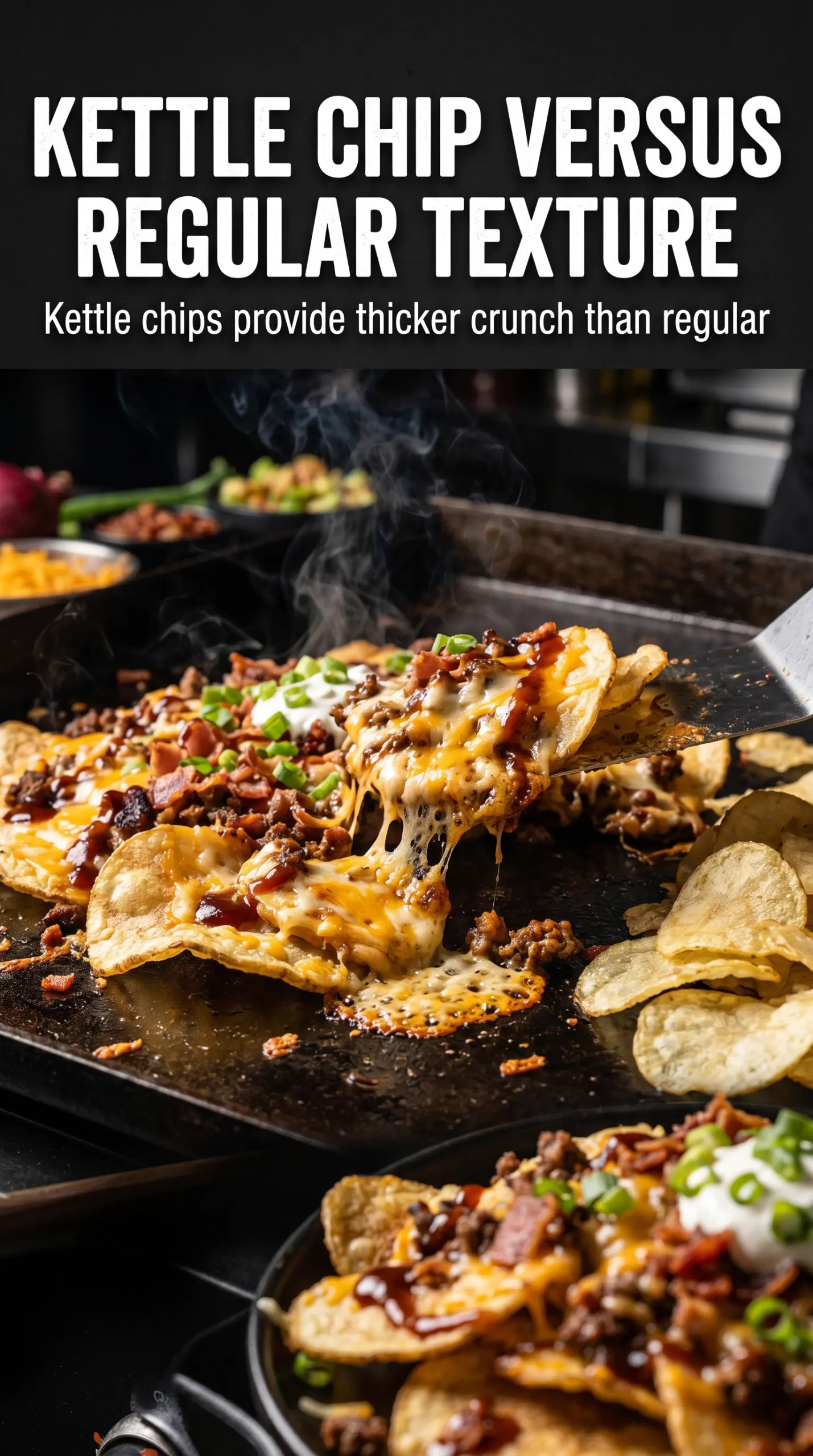
- Russet potatoes — These are the right potato for the job because they crisp well and stay fluffy in the middle. Waxy potatoes hold their shape, but they don’t give you the same crackly edge. Slice them as evenly as possible so the chips finish at the same time.
- Vegetable oil — A neutral oil lets the potato flavor come through and handles the griddle heat without getting bitter. You don’t need a deep fry amount here; a thin coating is enough to help the surface blister and brown.
- Cheddar cheese — Sharp cheddar adds enough flavor to stand up to bacon and ranch. Pre-shredded works in a pinch, but freshly shredded melts more smoothly because it doesn’t have the anti-caking coating that can make it clump.
- Bacon — Cook it until crisp, then crumble it small enough that it settles into the cheese instead of sliding off the chips. Thick pieces taste great, but smaller bits distribute better across the platter.
- Sour cream, green onions, jalapeños, and ranch — These are the finishing elements that give each bite contrast: cool, sharp, fresh, spicy, and creamy. Add them after the cheese melts so they stay distinct and don’t disappear into the heat.
Building the Chips So They Stay Crunchy Under All That Cheese
Heat the Griddle and Set Up the Potatoes
Bring the Blackstone to medium-high before the potatoes hit the surface. If the griddle is too cool, the slices soak up oil and get limp before they brown; too hot, and the edges scorch before the center cooks through. Aim for steady sizzle when the slices land. Keep them in a single layer from the start, because overlapping slices will steam instead of crisp.
Cook Until the Edges Turn Deep Gold
Let the first side go until it releases cleanly and the underside is golden with browned spots, usually 5 to 6 minutes. Flip only when the slice feels set; if it sticks, it needs more time. The chips should look dry on the surface, not glossy with uncooked starch. That visual change tells you they’re ready to finish on the second side without tearing.
Season While They’re Still Hot
The salt belongs on the chips the moment they come off the griddle. Hot surfaces hold seasoning better, and the salt melts into the surface instead of sitting on top. If you wait until the chips cool, the seasoning won’t cling as well and the flavor comes through unevenly. Stack them loosely on a platter so trapped steam doesn’t soften the batch you just worked for.
Melt, Top, and Serve Right Away
Scatter the cheese over the warm chips, then melt it with a torch or under a dome on the griddle. The goal is soft, glossy cheese, not browned cheese, because you still need room for the toppings to show up. Add bacon, sour cream, onions, jalapeños, and ranch after the melt so the cold toppings stay bright and the chips underneath keep their bite. This dish waits for no one, and that’s part of the fun.
Three Ways to Turn This Into Your Kind of Appetizer
Make It Gluten-Free Without Losing the Crunch
This recipe is naturally gluten-free as written, as long as your bacon and ranch are certified gluten-free if that matters for your table. The texture stays exactly where you want it because the crunch comes from the potato and the griddle, not from any coating or breading.
Swap the Bacon for a Meatless Finish
For a vegetarian version, skip the bacon and add extra jalapeños, sliced black olives, or a sprinkle of smoked paprika over the cheese. You lose the salty snap of bacon, so add a little more seasoning at the end to keep the platter from tasting flat.
Go Spicier Without Overloading the Chips
Use pepper jack in place of some or all of the cheddar, then add pickled jalapeños instead of fresh for a sharper, more balanced heat. Pickled peppers bring acid, which cuts through the cheese and bacon better than raw heat alone.
Storage and Reheating
- Refrigerator: Store leftovers up to 2 days, but the chips will soften once the toppings sit on them.
- Freezer: Don’t freeze the finished chips. The potato texture breaks down and the sour cream won’t thaw well.
- Reheating: Reheat the bare chips on the griddle or in the oven until crisp, then add fresh toppings. If you reheat everything together, the chips steam and go soft fast.
Questions I Get Asked About This Recipe
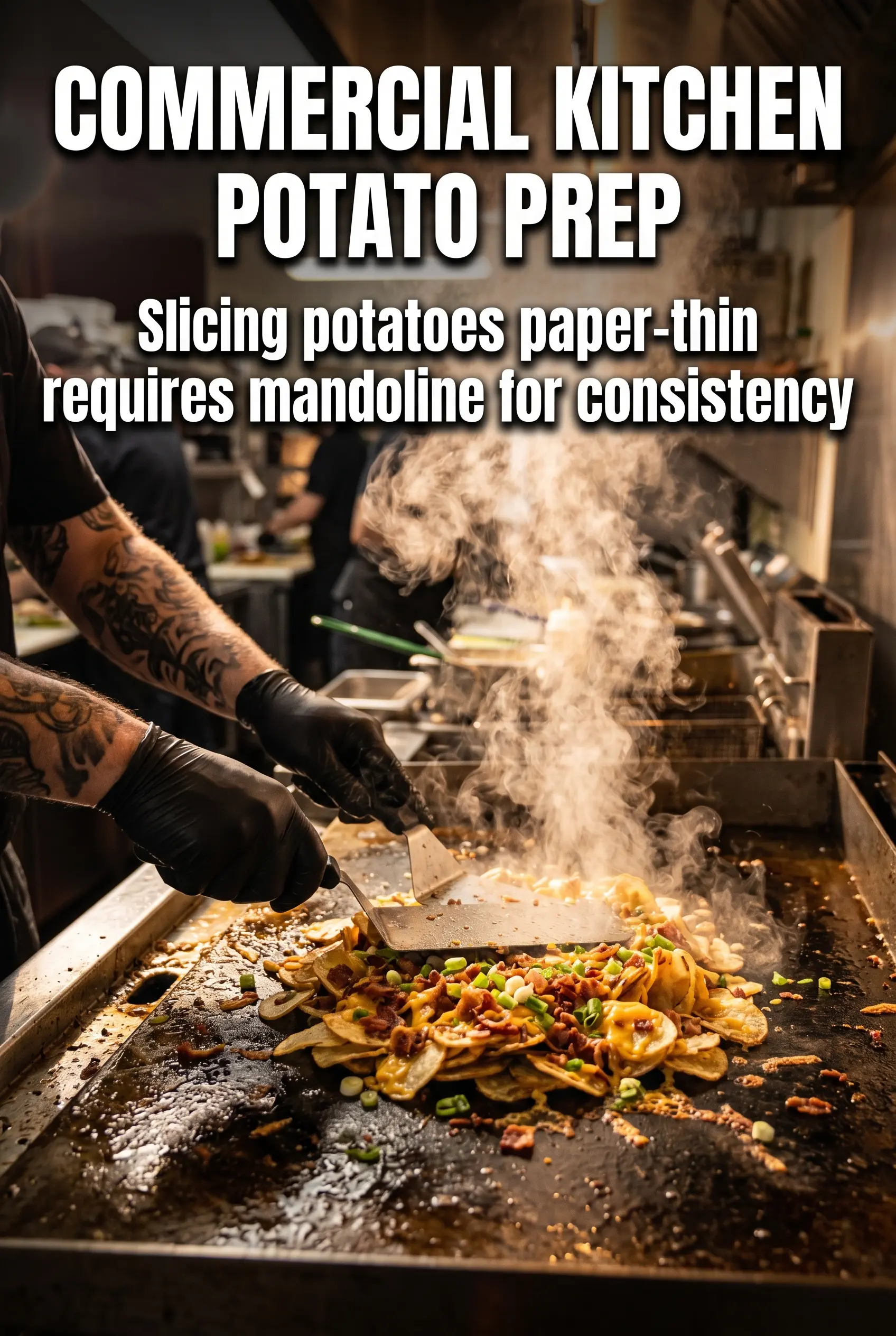
Blackstone Loaded Potato Chips
Ingredients
Equipment
Method
- Heat the Blackstone griddle to medium-high and add the vegetable oil so it shimmers. Wait until the surface is hot before adding potato slices.
- Arrange the potato slices in a single layer and cook for 5-6 minutes per side until crispy and golden. Flip once so both sides brown evenly.
- Remove the chips and immediately season with salt. Seasoning right away helps the flavor stick to the crisp surface.
- Arrange the chips on a large platter and sprinkle with the shredded cheddar cheese. Keep the chips in a single layer so the cheese melts across the top.
- Use a kitchen torch or return to the griddle with a dome cover to melt the cheese. Stop when the cheese is fully melted and glossy.
- Top with the crumbled bacon, sour cream, green onions, jalapeño slices, and ranch dressing drizzle. Serve right away while everything is hot and the chips stay crisp.