Tender beef strips, crisp broccoli, and a glossy brown sauce make this Blackstone beef and broccoli the kind of meal that disappears fast once it hits the table. The griddle gives you something a wok can’t always deliver at home: wide-open heat, good browning, and enough room to sear the beef instead of steaming it in its own juices. The result is beef with real char on the edges and broccoli that stays bright instead of going limp.
The key is the marinade. A little soy sauce, brown sugar, and cornstarch seasons the beef from the inside and gives the sauce enough body to cling without turning gluey. Thin slicing against the grain matters here more than almost anything else, because flank steak stays tender only when you shorten those muscle fibers before the heat ever touches them. The other thing that helps is cooking in batches. Crowding the griddle dumps out moisture and steals the sear you’re after.
Below, I’ll walk through the part that matters most on a flat top: getting the heat right, building the sauce without burning the garlic, and keeping the broccoli tender-crisp. I’ve also included a few smart swaps and storage notes for the leftovers, because this is one of those dinners that holds up well the next day if you reheat it the right way.
The sauce thickened up perfectly on the griddle and the beef stayed tender even after I tossed everything together at the end. My husband went back for seconds and asked if I could put this on the weekly rotation.
Save this Blackstone beef and broccoli for a fast griddle dinner with seared flank steak and glossy broccoli in brown sauce.
The Step That Keeps the Beef Tender Instead of Chewy
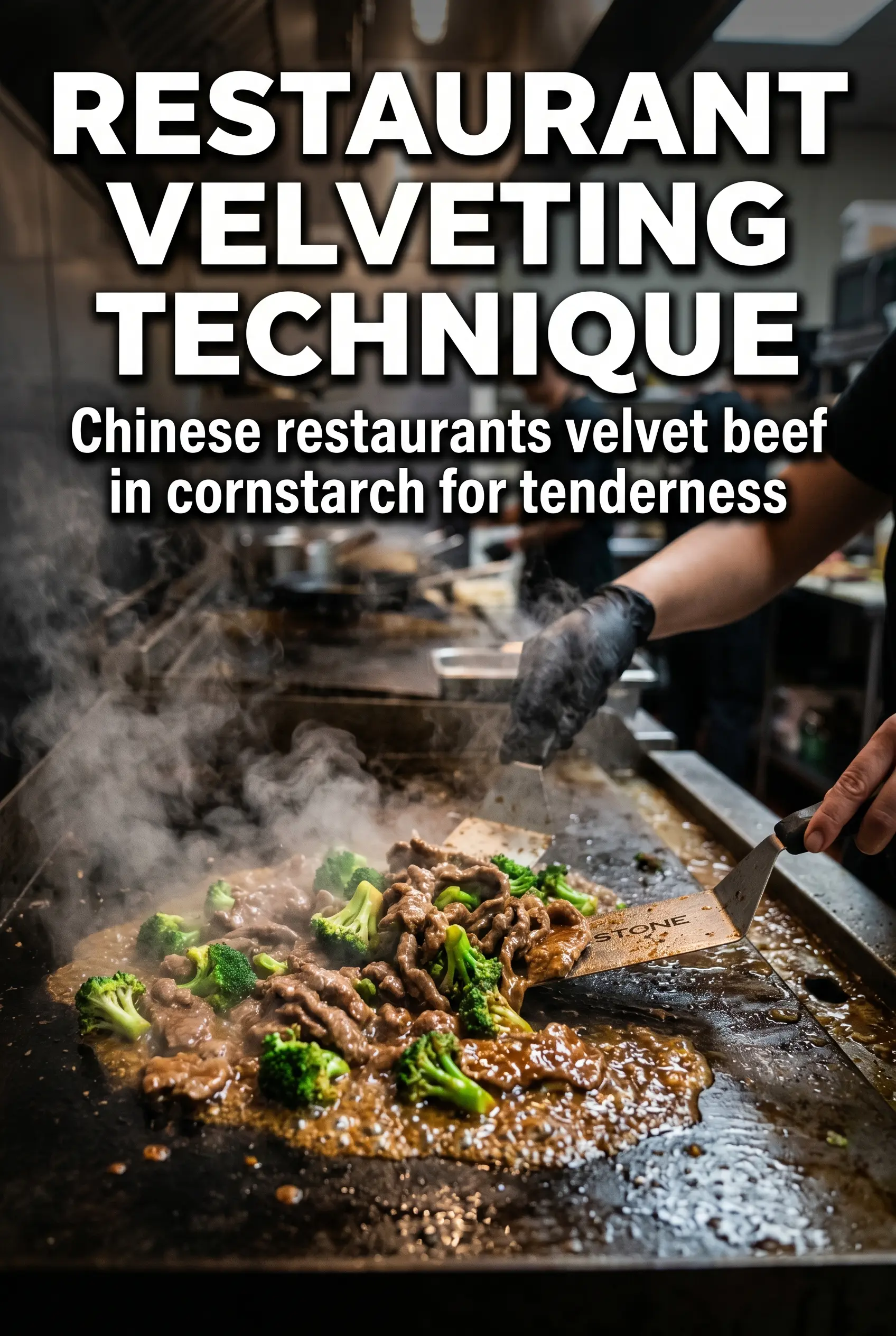
Flank steak can go from tender to stubborn fast if it’s cut wrong or cooked like a thick steak. Slicing thin against the grain shortens the muscle fibers before the griddle ever gets involved, which is what keeps each bite easy to chew. The marinade does a second job here: the cornstarch lightly coats the beef, helping it sear and later helping the sauce cling to every strip instead of sliding off into the pan.
The other common mistake is moving the beef around too much. Let it sit on the hot griddle long enough to pick up color before you flip it. If the beef is crowded, it will gray out and leak liquid, and once that happens, you’re steaming instead of stir-frying.
What the Sauce Ingredients Are Doing on the Griddle
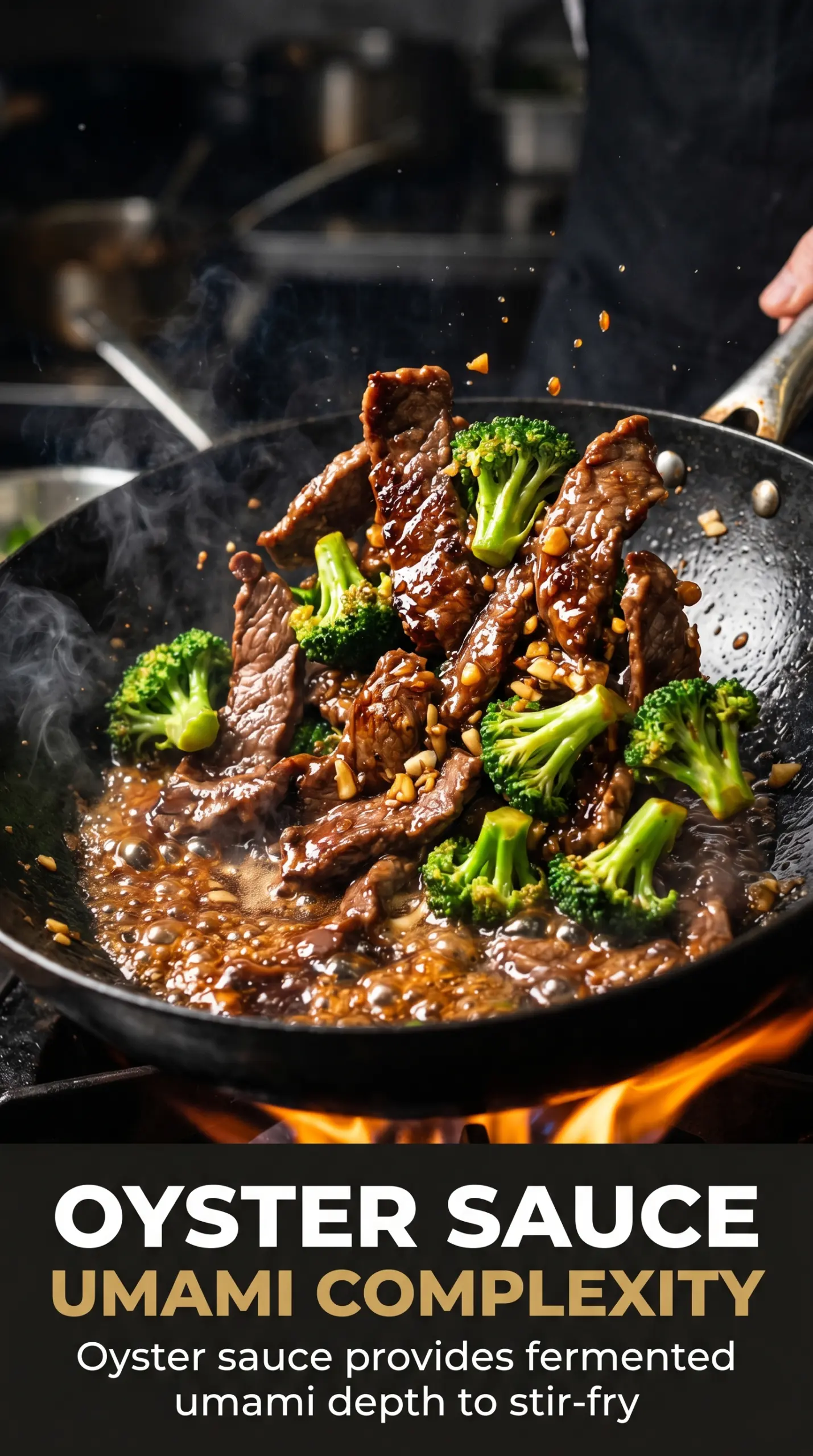
- Flank steak — This is the right cut for fast, high-heat cooking because it has enough beefy flavor to stand up to the sauce. Thin slicing is nonnegotiable. If you swap in sirloin, slice it just as thin and cut the cook time a little if the pieces are smaller.
- Broccoli florets — Fresh broccoli gives you the best texture here, especially on a griddle where the edges can char before the stems soften. Cut the florets into even pieces so they finish at the same time. Frozen broccoli works in a pinch, but it won’t stay as crisp.
- Soy sauce and oyster sauce — Soy sauce brings salt and depth; oyster sauce adds that dark, savory finish that makes the sauce taste cooked, not just mixed. There isn’t a perfect stand-in for oyster sauce, but hoisin will give you a sweeter, thicker result if that’s what you have.
- Brown sugar and cornstarch — The sugar balances the salt and helps the sauce glaze. The cornstarch is what keeps the sauce from looking thin and watery on the plate. Don’t skip it unless you want a loose, brothier finish.
- Garlic and ginger — These go in late because they burn fast on a ripping-hot griddle. Fresh is worth using here. Powdered versions won’t give you the same sharp, aromatic finish.
- Beef broth — This loosens the sauce just enough to coat the beef and broccoli without turning it soupy. Water will work in a pinch, but broth gives the sauce a fuller taste.
Cooking the Beef, Broccoli, and Sauce Without Losing the Sear
Marinate the Beef First
Stir together two tablespoons of soy sauce, one tablespoon of brown sugar, and the cornstarch until smooth, then coat the sliced beef and let it sit for 30 minutes. That short rest is enough to season the meat and help it brown, but it won’t turn the texture mushy the way a long marinade with acid might. If the mixture looks clumpy at first, keep stirring until the cornstarch disappears into the sauce.
Hot Griddle, Fast Sear
Heat the Blackstone to high before the beef goes on. You want the surface hot enough that the meat sizzles the second it touches down. Cook in batches for two to three minutes per side, then move the beef aside as soon as it has good color. If you pile it all on at once, the griddle cools down and the beef starts braising in its own juices.
Broccoli With a Little Bite Left
Add the broccoli with the remaining oil and cook it for four to five minutes, tossing it until the florets turn bright green and the stems just start to soften. The goal is tender-crisp, not soft all the way through, because it still gets another minute or two in the sauce at the end. If the broccoli starts browning too fast before it softens, the griddle is too hot for this stage, so move the pieces around more often and give them a little space.
Finish the Sauce and Bring It Together
Add the garlic and ginger and cook for about 30 seconds, just until fragrant. Then pour in the remaining soy sauce, oyster sauce, brown sugar, and beef broth. Return the beef to the griddle and toss everything for about two minutes, until the sauce looks glossy and lightly thickened. If the sauce seems thin, it usually needs another minute of heat, not more cornstarch.
Three Ways to Adjust This Blackstone Beef and Broccoli
Gluten-Free Version
Use tamari or a certified gluten-free soy sauce and check that your oyster sauce is gluten-free. The finished dish still gets the same glossy coating and savory depth, so you won’t lose the texture that makes this work.
Low-Sugar Swap
Cut the brown sugar back by half if you want a less sweet sauce, but keep some in the mix because it helps the beef caramelize and balances the salt. If you remove it entirely, the sauce tastes flatter and less rounded.
Chicken or Shrimp Instead of Beef
Thin-sliced chicken breast or large shrimp both work on the griddle, but you’ll need to shorten the cook time. Chicken should cook through and lose any pink center, while shrimp only need a few minutes per side until they turn pink and curl. The sauce still behaves the same, but the final dish will be lighter and a little less rich.
Storage and Reheating
- Refrigerator: Store leftovers in an airtight container for up to 4 days. The broccoli softens a little, but the flavor stays strong.
- Freezer: It freezes, but the broccoli loses some bite after thawing. If you plan to freeze it, undercook the broccoli slightly so it holds up better later.
- Reheating: Reheat in a hot skillet or on the griddle with a splash of broth or water. The mistake is blasting it in the microwave too long, which makes the beef tough and the sauce separate.
Questions I Get Asked About This Recipe
Blackstone Beef and Broccoli
Ingredients
Equipment
Method
- Combine 2 tablespoons soy sauce, 1 tablespoon brown sugar, and cornstarch, then marinate the beef for 30 minutes with the beef coated and clinging to the strips.
- Heat the Blackstone griddle to high heat and add 2 tablespoons oil until the surface shimmers.
- Cook the beef in batches for 2-3 minutes per side until deeply seared and browned, then set aside.
- Add the remaining oil and cook the broccoli for 4-5 minutes until tender-crisp with bright green color.
- Add the garlic and ginger and cook for 30 seconds until fragrant, then stir constantly so they don’t darken.
- Add the remaining soy sauce, oyster sauce, brown sugar, and beef broth, bringing the mixture to a bubbling sauce texture.
- Return the beef to the griddle, toss everything in the sauce for 2 minutes until the beef and broccoli are coated and glossy.
- Garnish with sesame seeds so they sit on top and add visible speckles.