Glossy bourbon chicken belongs on a hot griddle. The chicken picks up a deep caramelized edge while the sauce turns sticky and lacquered, clinging to every bite instead of pooling under the meat. On a Blackstone, you get faster browning and more of those dark, savory-sweet bits that make this dish feel bigger than the short ingredient list would suggest.
The trick is splitting the marinade before the chicken goes in. One portion seasons the meat; the reserved portion stays clean so it can be thickened and finished into a real glaze at the end. That keeps the sauce safe to boil and gives you the kind of glossy coating that sticks to the chicken instead of thinning out on the griddle.
Below, I’ll walk through the part that matters most: how to get the glaze bubbling without burning the sugars, plus a few swaps if you want to adjust the sweetness or make the dish gluten-free.
The glaze tightened up fast on the griddle, and the chicken stayed juicy instead of drying out. I used thighs like the recipe said and the caramelized edges were the best part.
Save this Blackstone Bourbon Chicken for the nights when you want sticky bourbon glaze and fast griddle-cooked chicken without standing over the stove.
The Part Most Bourbon Chicken Gets Wrong on a Griddle
The problem with bourbon chicken on a flat-top is heat. Too high, and the brown sugar in the marinade scorches before the chicken has time to cook through. Too low, and you lose the quick caramelization that gives the dish its signature sticky edges. Medium-high heat is the sweet spot here: hot enough to build color, steady enough to keep the glaze from turning bitter.
Using chicken thighs matters too. They stay tender during the fast griddle cook and hold up to the final glaze without turning stringy or dry. If you swap in chicken breast, cut it a little larger and pull it as soon as it hits 165°F, because the margin for error disappears fast once the sauce goes on.
- Marinade split in two — Half seasons the chicken, half becomes the finishing sauce. That separation keeps the final glaze clean and lets you thicken it without worrying about raw chicken contact.
- Cornstarch slurry — This is what turns the reserved marinade into a glossy coating. Stir it smooth before adding it, or you’ll get little starch clumps instead of a tight sauce.
- Thigh meat — Thighs give you the most forgiving texture and the best browning. They stay juicy even after a few extra minutes on the griddle.
What Each Ingredient Is Doing in the Glaze
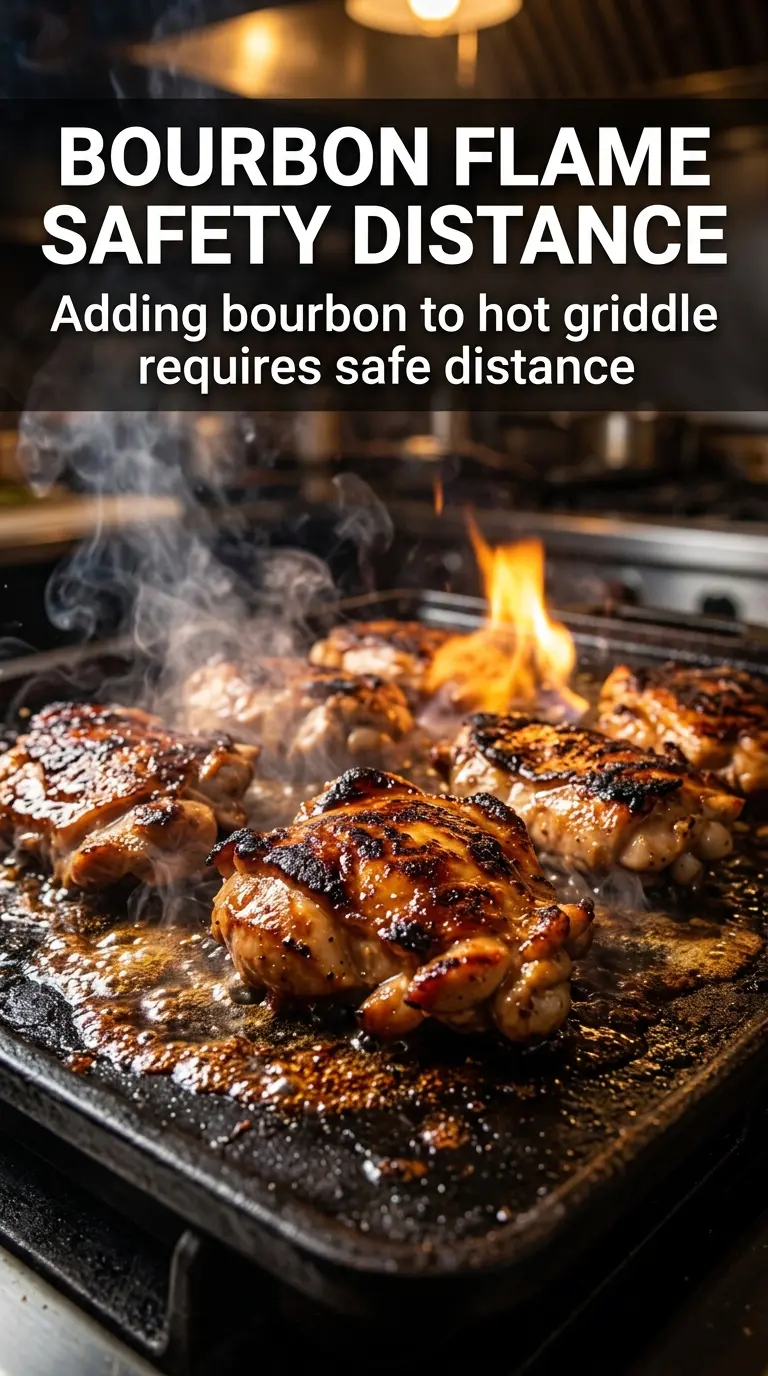
- Bourbon — It adds warmth and depth, not a boozy punch. The alcohol cooks off, but the flavor stays and helps the glaze taste rounded instead of just sweet.
- Soy sauce — This brings the salty backbone and that dark savory color. Use regular soy sauce here; low-sodium works, but the glaze may need an extra pinch of salt to taste balanced.
- Brown sugar — It’s the ingredient that makes the sauce sticky and lacquered. White sugar won’t give the same molasses note or the same cling.
- Apple cider vinegar — This keeps the glaze from tasting flat. The acid cuts through the sugar and helps the finished chicken taste bright instead of heavy.
- Garlic and ginger — Fresh is worth it here. Their sharpness gives the sauce a little lift, and pre-minced garlic won’t deliver the same clean bite.
- Cornstarch — It thickens the reserved marinade into the kind of sauce that coats, not just dresses, the chicken. Arrowroot can work in a pinch, but it thickens a little differently and is less forgiving if you overheat it.
Cooking the Chicken Until the Sauce Turns Sticky, Not Burnt
Building the First Layer of Color
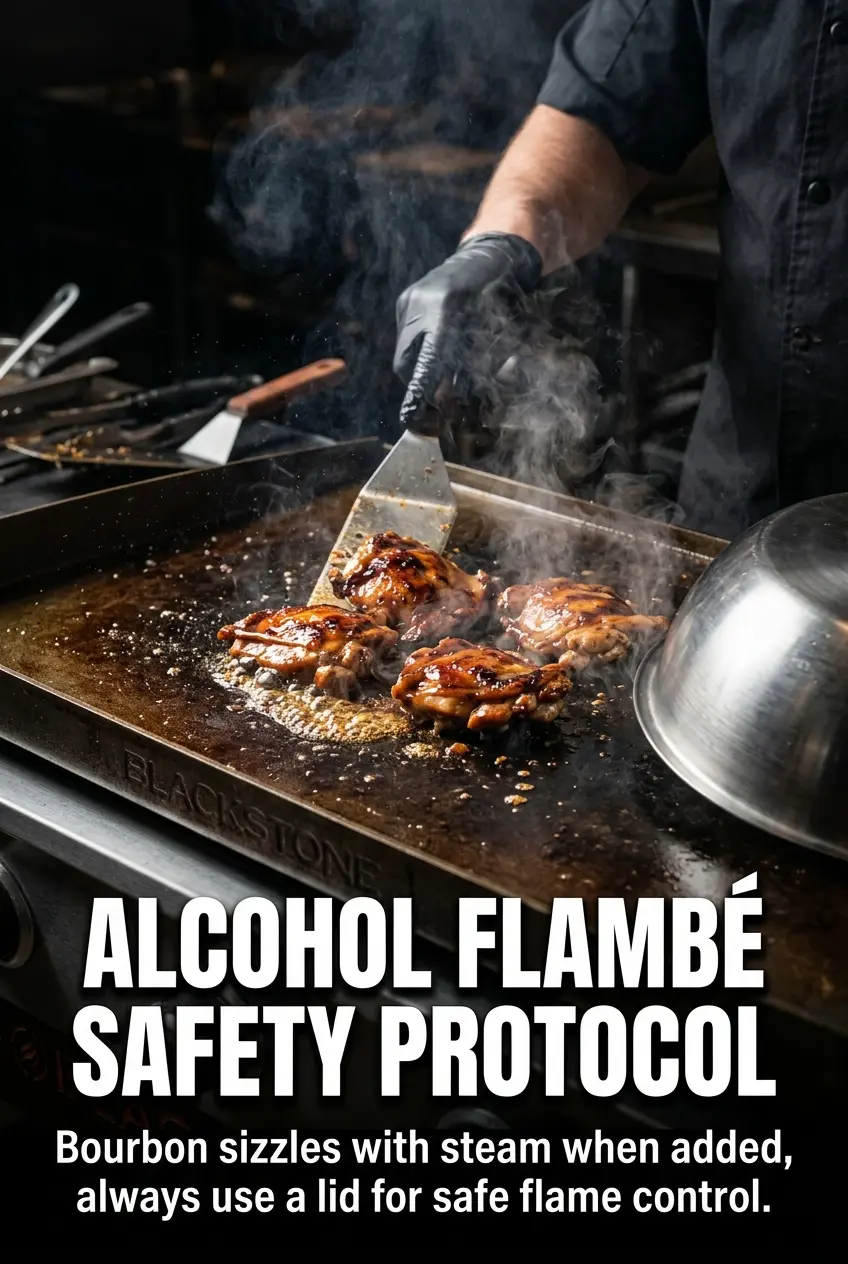
Heat the oil on the Blackstone until it shimmers, then add the marinated chicken in a single layer if you can. Let it sit long enough to pick up some browning before you start stirring constantly; if you move it too much, it’ll steam instead of caramelize. The goal in this stage is cooked edges and a little bite of color, not a dark crust all the way around.
Thickening the Reserved Marinade
Mix the cornstarch with water until it’s fully smooth, then stir it into the reserved marinade before it hits the heat. Pour that mixture over the cooked chicken and keep it moving for the last couple of minutes. If the sauce looks loose at first, that’s normal; cornstarch needs a brief boil to turn from thin and cloudy into glossy and clingy.
Finishing to a Glossy Coat
Once the sauce starts to bubble, it should thicken quickly and coat the chicken in a shiny layer that clings when you drag a spatula through it. Pull it from the heat as soon as the sauce looks like it has body, because leaving it on too long will turn the sugars tacky and start to scorch the pan. Finish with sesame seeds and green onions while the glaze is still hot so they stick instead of sliding off.
Three Ways to Change Blackstone Bourbon Chicken Without Losing the Point
Gluten-Free Version
Swap the soy sauce for tamari or a certified gluten-free soy sauce. The flavor stays savory and deep, but the sauce may read a touch smoother and less sharp, so taste before serving and add a splash more vinegar if it needs brightness.
Less Sweet, More Savory
Cut the brown sugar back to 3 tablespoons if you want a lighter glaze with less stickiness. You’ll lose some of the classic bourbon chicken candy-like finish, but the sauce will taste more balanced and a little closer to a teriyaki-style griddle chicken.
Chicken Breast Instead of Thighs
Use chicken breast if that’s what you have, but cut it into even pieces and watch the clock closely. Breast meat cooks faster and dries out quicker, so pull it the moment it’s done and let the sauce finish clinging in the last minute or two.
Storage and Reheating
- Refrigerator: Store in an airtight container for up to 4 days. The sauce will thicken as it chills.
- Freezer: It freezes well for up to 2 months. Freeze in portions so the chicken and sauce reheat evenly.
- Reheating: Warm it gently in a skillet over medium-low heat with a splash of water if the glaze looks too tight. High heat will make the sugar seize and can dry out the chicken before the center heats through.
Questions I Get Asked About This Recipe
Blackstone Bourbon Chicken
Ingredients
Equipment
Method
- Combine bourbon, soy sauce, brown sugar, apple cider vinegar, garlic, and ginger in a bowl.
- Reserve 1/3 of the marinade and marinate the chicken in the remaining marinade for 30 minutes.
- Heat oil on the Blackstone griddle over medium-high heat until shimmering.
- Cook the chicken for 10-12 minutes, stirring frequently, until cooked through and caramelized.
- Mix cornstarch with water and add it to the reserved marinade.
- Pour the sauce over the chicken and cook for 2-3 minutes until thickened and glossy, visibly coating the chicken.
- Garnish with sesame seeds and green onions right before serving.