Juicy grilled chicken starts here: a marinade that actually seasons the meat all the way through, keeps it tender over the heat, and still leaves you with clean grill marks instead of a sugary burn. The balance matters. Too much acid and the chicken gets tight. Too much sugar and the outside darkens before the inside is done. This version lands in the sweet spot, so the chicken tastes bold on the grill and stays moist on the plate.
The trick is the mix of lemon juice, soy sauce, Dijon, and Worcestershire. The soy and Worcestershire build depth, the lemon wakes everything up, and the Dijon helps the marinade cling to the chicken instead of sliding right off. A little brown sugar rounds out the edges without turning the marinade into barbecue sauce. That balance gives you flavor that tastes grilled, not just sauced.
Below, I’ll walk through the small details that make a big difference, like how long to marinate based on the cut and why resting the chicken after grilling matters just as much as the marinade itself.
The chicken came off the grill so juicy, and the marinade caramelized at the edges without burning. I used it on thighs and breasts, and both were packed with flavor after an overnight soak.
Save this grilled chicken marinade for juicy, well-seasoned chicken with deep grill marks and no dry spots.
The Reason This Marinade Keeps Chicken Juicy on the Grill
The biggest mistake with grilled chicken marinades is treating acid like the main ingredient. Lemon juice adds brightness, but it also starts tightening the surface of the meat if you leave the chicken in it too long. That’s why this marinade uses a measured amount of citrus and balances it with oil, soy sauce, and Dijon. You get flavor penetration without turning the texture chalky.
Another problem is sugar. A little brown sugar helps the chicken brown and gives the edges that sticky, savory finish, but too much will scorch before the inside reaches temperature. The amount here is just enough to encourage color, not a burnt crust. If you’ve had chicken come off the grill dark outside and bland inside, this balance is the fix.
What Each Ingredient Is Actually Doing in the Marinade
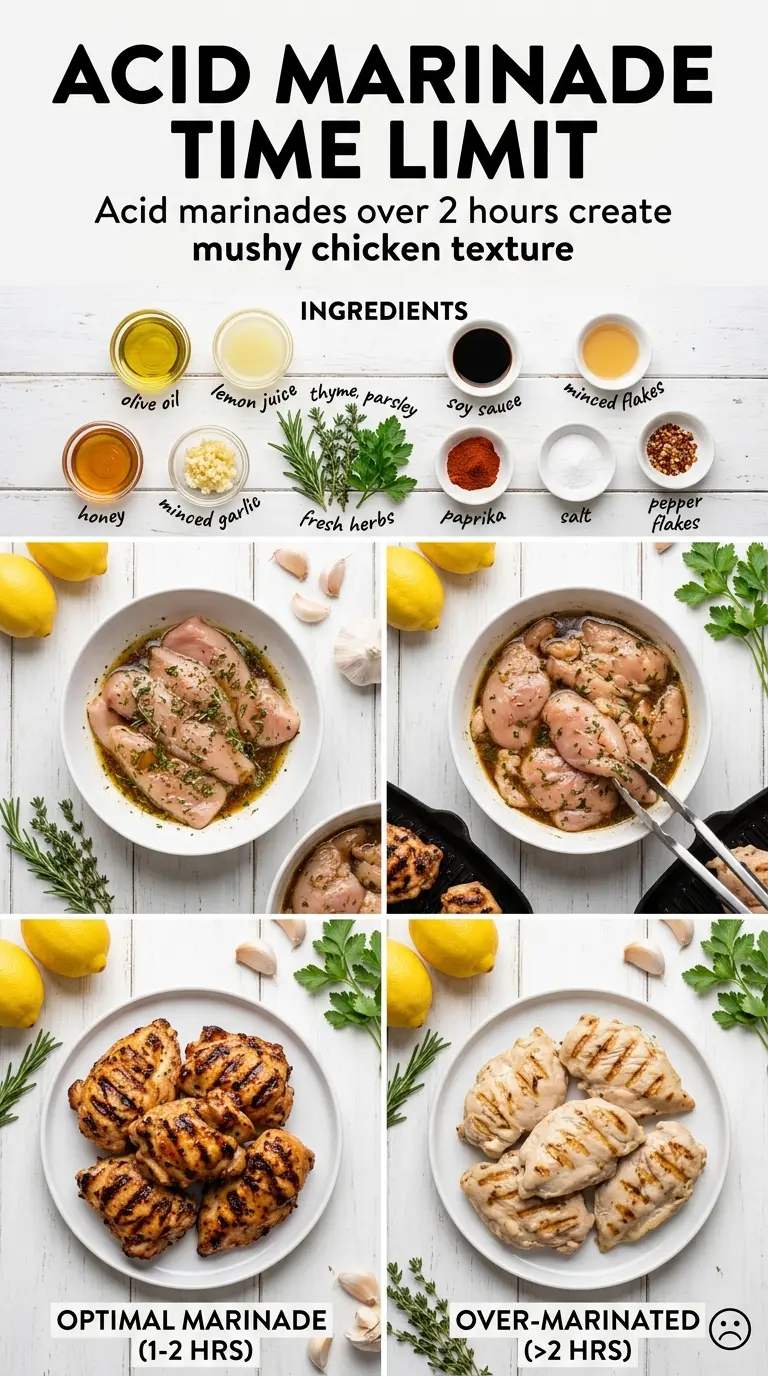
- Olive oil — Carries the flavors, helps the marinade coat the chicken evenly, and protects the surface a little on the grill. You can use a neutral oil if that’s what you have, but olive oil adds a fuller finish.
- Soy sauce — Gives salt, depth, and that savory edge that makes the chicken taste seasoned all the way through. Use regular soy sauce for the best balance; low-sodium works if you want more control, but the marinade will taste flatter unless you taste it before using.
- Lemon juice — Brightens the whole marinade and helps tenderize the meat. Fresh lemon juice is worth it here because bottled juice can taste dull and sharp in a one-note way.
- Worcestershire sauce — Adds complexity that you can’t quite name but would miss if it weren’t there. It deepens the savoriness and plays especially well with grilled chicken.
- Dijon mustard — Helps emulsify the marinade so it clings to the chicken instead of sliding off. Regular yellow mustard won’t give the same depth, but in a pinch it will still add acidity and body.
- Brown sugar — Softens the salt and acid and encourages light caramelization on the grill. Keep the amount modest so the outside colors without burning.
- Garlic and dried herbs — Build the classic grilled chicken flavor people expect. Fresh herbs won’t hold up as well in a long marinade, so dried is the practical choice here.
How to Marinate and Grill Chicken Without Drying It Out
Whisk the Marinade Until It Looks Unified
Start by whisking the oil, soy sauce, lemon juice, Worcestershire, Dijon, brown sugar, garlic, pepper, and herbs until the sugar dissolves and the mixture looks slightly glossy. If the Dijon stays in little streaks, keep whisking; that’s the sign it hasn’t fully brought the marinade together. A unified marinade coats the chicken more evenly and gives you better flavor on every bite.
Give the Chicken Time, But Not Too Much
Place the chicken in a zip-top bag or a shallow dish and get every piece coated. Four hours is the sweet spot for most cuts, and overnight works well for thicker pieces like thighs and bone-in chicken. Don’t push marinating past 24 hours, especially with smaller or leaner cuts, or the texture can start to turn soft on the outside.
Grill Over Medium-High Heat
Preheat the grill before the chicken goes on. You want a hot grate that sears quickly and leaves defined marks without sticking. If the chicken clings to the grates, it usually needs another minute before turning; when it’s ready, it releases more cleanly. Cook until the thickest part reaches 165°F, using timing as a guide and temperature as the final word.
Rest Before Slicing
Let the chicken rest for 5 to 10 minutes after grilling. That pause keeps the juices from flooding out the moment you cut into it. If you slice too soon, even perfectly grilled chicken can seem dry because the moisture ends up on the cutting board instead of in the meat.
How to Adapt This Grilled Chicken Marinade for Different Cuts and Diets
For chicken breasts
Chicken breasts are leaner and can dry out faster, so keep the marinating time closer to 4 to 8 hours. Grill them over medium-high heat and pull them as soon as they hit 165°F. If the pieces are thick, pound them to an even thickness first so they cook at the same rate.
For chicken thighs or drumsticks
Dark meat handles a longer soak and a little extra char better than breast meat. You can marinate these cuts up to 24 hours for deeper flavor, and they stay juicy even if they take a few extra minutes on the grill. This is the version I reach for when I want the most forgiving result.
For a gluten-free version
Swap in a gluten-free soy sauce or tamari and check that your Worcestershire sauce is certified gluten-free. The flavor stays close to the original, and the chicken still gets that savory, well-rounded finish.
For a dairy-free, pantry-only twist
This recipe is already dairy-free, which makes it an easy one to keep in regular rotation. If you’re missing lemon juice, a splash of apple cider vinegar works in a pinch, but the flavor turns sharper and less fresh, so use a little less and taste the marinade before adding the chicken.
Storage and Reheating
- Refrigerator: Store cooked chicken in an airtight container for up to 4 days. It stays flavorful, but the exterior loses some of its grilled edge as it sits.
- Freezer: Freezes well for up to 2 months if the chicken is cooled completely first and wrapped tightly. Slice or shred it before freezing if you know you’ll use it for salads, wraps, or rice bowls.
- Reheating: Reheat gently in a covered skillet with a splash of water or broth, or in a low oven until just warmed through. High heat dries grilled chicken out fast, so avoid blasting it in the microwave unless you’re willing to accept tougher edges.
Answers to the Questions Worth Asking
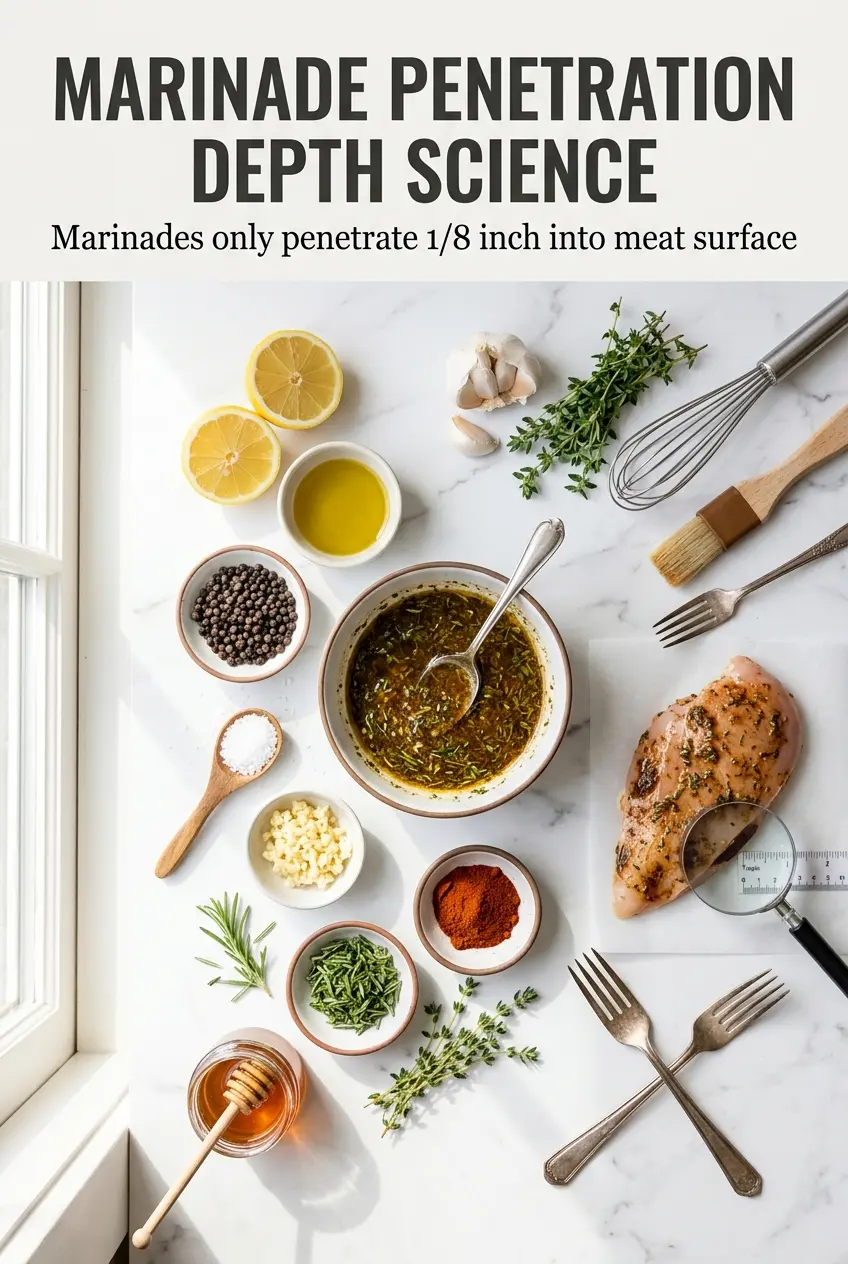
The Best Ever Grilled Chicken Marinade
Ingredients
Equipment
Method
- Whisk together olive oil, soy sauce, lemon juice, Worcestershire sauce, Dijon mustard, minced garlic, brown sugar, black pepper, and dried herbs until smooth and combined; the mixture should look uniformly blended.
- Place chicken in a large zip-top bag and pour the marinade over the chicken, then seal the bag and press gently to coat.
- Marinate in the refrigerator for 4-24 hours, turning the bag once halfway through if possible, so the chicken stays fully coated and evenly flavored.
- Preheat the grill to medium-high heat, aiming for steady heat before cooking so you get defined grill marks.
- Remove the chicken from the bag and grill until the internal temperature reaches 165°F, timing varying by cut; flip as needed for even browning and grill marks.
- Let the chicken rest for 5-10 minutes before serving, keeping it juicy as the juices redistribute.