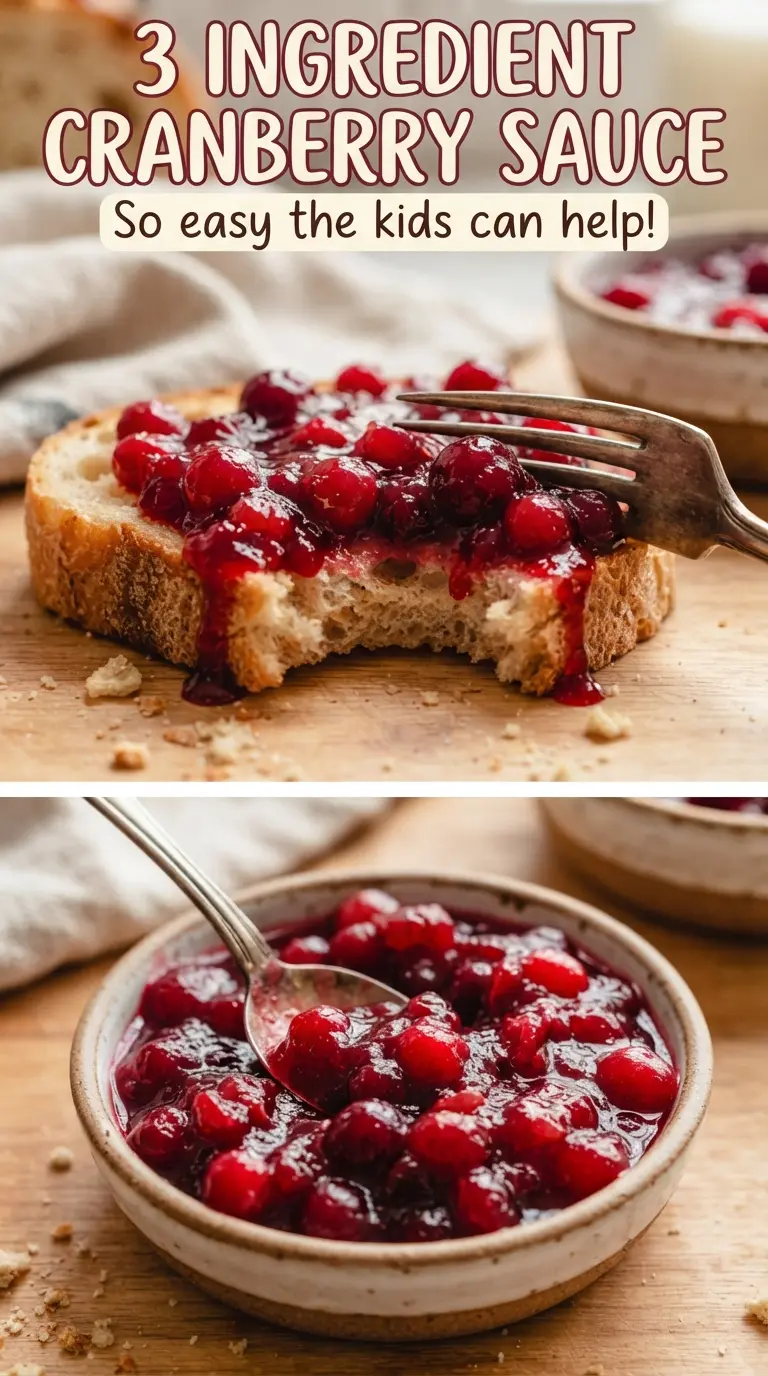
Bright, glossy cranberry sauce with a jammy spoonable texture is one of those side dishes that earns its place fast. The berries burst just enough to thicken the syrup, and the finished sauce lands right between tart and sweet without turning muddy or heavy. It’s the kind of simple recipe that quietly improves everything on the plate, from roast turkey to leftover sandwiches.
The trick is treating the sugar water like a quick syrup before the cranberries go in. That first boil dissolves the sugar completely, which helps the sauce cook evenly instead of leaving a grainy finish at the bottom of the pan. Once the berries hit the pot, they only need a short simmer to pop and release their natural pectin. Pull it off the heat when most of the berries have burst but a few are still intact; that mix gives you the best texture after chilling.
Below, I’ll show you why this bare-bones version works, what the berries are doing in the pan, and how to adjust the sweetness without losing that clean cranberry bite.
The sauce thickened up beautifully as it cooled, and the balance was perfect — tart enough to cut through the meal but still sweet enough that even the kids kept spooning more onto their plates.
Jammy 3 Ingredient Cranberry Sauce with that glossy, spoonable finish belongs on your holiday table and in every leftover sandwich.
The Reason Cranberry Sauce Turns Runny, or Set Like Jam
Cranberry sauce only takes a few minutes on the stove, but the difference between a loose syrup and a proper spoonable sauce comes down to timing and cooling. If you stop too early, the berries won’t release enough pectin and the sauce stays thin. If you boil it hard for too long, the berries can collapse into a dull paste and the flavor goes flat.
The sweet spot is a steady simmer after the cranberries go in. You want most of them to burst, but not all of them to disappear. The sauce will still look a touch loose in the pan; that’s normal. It tightens as it cools, then firms up even more in the fridge. If it seems thin after chilling, it usually needed another minute or two on the heat, not more sugar.
What Each Ingredient Is Actually Doing in This Sauce
- Fresh cranberries — These are the backbone of the sauce. Their skins burst and their natural pectin thickens the liquid as they cook, which is why this recipe sets without any extra thickeners. Frozen cranberries work too; add them straight from the freezer and expect a minute or two of extra simmering.
- Granulated sugar — Sugar balances the sharp tartness and helps the sauce take on that glossy, syrupy finish. Brown sugar will work in a pinch, but it adds molasses flavor and darkens the sauce. If you want a cleaner cranberry taste, stick with white sugar.
- Water — Water creates the quick syrup that cooks the berries evenly. You need enough to dissolve the sugar and start the fruit gently, but not so much that the sauce takes forever to reduce. If you want a slightly thicker result, simmer uncovered for the last couple of minutes so some of the liquid evaporates.
Building the Syrup Before the Berries Go In
Dissolving the sugar completely
Bring the water and sugar to a full boil first, and stir until the granules disappear. That step matters more than people think. If the sugar is still gritty when the cranberries go in, the sauce can end up with a sandy texture even after it cools. A clear, boiling syrup is your signal that the base is ready.
Letting the cranberries burst at their own pace
Once the berries are in the pot, the liquid will come back to a boil, then settle into a lively simmer. Stir occasionally so the bottom doesn’t catch, but don’t keep smashing the berries. You want the fruit to burst from heat, not from being mushed into a purée. The sauce should look shiny and loose while it’s hot, with some whole berries still floating through it.
Cooling before judging the texture
Turn off the heat when the sauce looks a little thinner than you want. Cranberry sauce thickens a lot as it cools, and it sets fully after chilling. If you serve it warm, it will pour more like compote. If you want those neat spoonfuls that hold their shape, refrigerate it in a shallow dish until cold.
Three Ways to Adjust It Without Losing the Cranberry Bite
Less Sweet, Sharper Finish
Drop the sugar to 3/4 cup if you like a brighter, tarter sauce. The texture will still set, but the flavor will lean more toward fresh cranberry and less toward dessert-sweet. Don’t reduce the liquid; the sauce needs enough syrup to cook evenly.
Orange Zest for a Brighter Aroma
Add a strip or two of orange zest to the syrup before the cranberries go in, then pull it out before chilling. It lifts the whole sauce without making it taste citrusy or busy. This is the easiest way to make a simple cranberry sauce taste a little more layered.
Making It Ahead for a Holiday Table
This sauce is at its best after it has chilled overnight, which gives it a cleaner set and a deeper cranberry flavor. Store it in a covered container in the fridge for up to 1 week. To serve, spoon it straight from the refrigerator or let it sit out for 15 to 20 minutes so the texture softens slightly.
Freezer-Friendly Batch
Cranberry sauce freezes well. Cool it completely, then pack it in an airtight container with a little room at the top for expansion. Thaw it in the refrigerator overnight; the texture may loosen slightly after thawing, but a quick stir brings it back together.
Questions I Get Asked About This Recipe
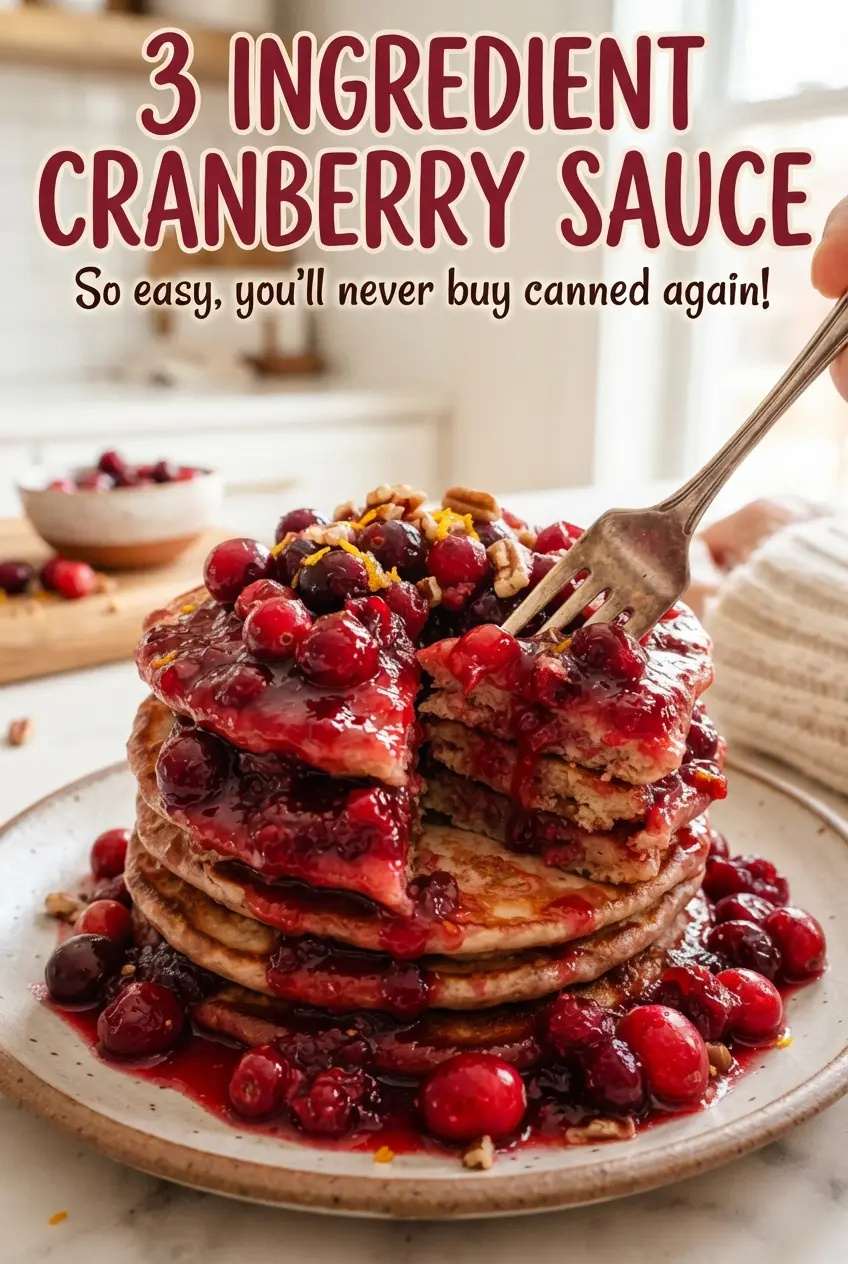
3 Ingredient Cranberry Sauce
Ingredients
Equipment
Method
- In a saucepan, combine granulated sugar and water, then bring to a boil while stirring until the sugar dissolves. You should see clear syrup with no grainy sugar at the bottom.
- Add fresh cranberries and return the mixture to a boil. Watch for the berries to start popping around the edges.
- Reduce heat to a simmer and cook for 10 minutes, stirring occasionally, until the berries burst. The sauce will look thicker and ruby-red with visible popped berries.
- Remove from heat and cool completely, leaving it undisturbed as it thickens. The sauce will set more as it cools.
- Chill until serving so the sauce firms up. Serve cold for the thick, spoonable texture.