Pasta tossed with zucchini, lemon, and garlic hits that sweet spot between light and satisfying. The zucchini melts down into a silky sauce instead of sitting in soft chunks, the garlic turns mellow and golden, and the lemon keeps everything bright enough that you want another forkful before you’ve even put the bowl down.
What makes this version work is timing. The zucchini needs enough heat to collapse into something saucy, but not so much that it turns watery and bland. The pasta water matters too, because the starch helps the parmesan emulsify into a glossy coating instead of clumping at the bottom of the pan. A little white wine adds depth, but it cooks off before the lemon goes in, so the finished dish stays clean and fresh.
Below, I’ve broken down the part that matters most: how to get the zucchini to disappear into the sauce without losing body. I’ve also included the swaps that still keep the pasta balanced when you don’t have exactly what the ingredient list calls for.
The zucchini cooked down into the sauce instead of turning watery, and the lemon kept the whole pan tasting bright. I added a little extra pasta water at the end and the parmesan clung perfectly.
Like this lemony zucchini pasta? Save it to Pinterest for a fast dinner with silky sauce, fresh basil, and plenty of parmesan.
The Reason the Zucchini Turns Silky Instead of Watery
Grated zucchini looks humble, but it behaves differently than sliced or diced zucchini. Once it hits the pan, the tiny shreds collapse fast and release moisture, which is exactly what you want here as long as the heat stays steady and the pan is wide enough for evaporation. Crowding the skillet traps steam, and that’s when the sauce gets thin instead of glossy.
The other mistake is adding the lemon too early. Acid brightens the dish, but if it goes in before the zucchini has had time to soften and concentrate, the whole thing tastes sharp and a little flat. Let the zucchini cook down first, then finish with lemon juice at the end so the sauce tastes layered instead of boiled.
What Each Ingredient Is Actually Doing in the Pan
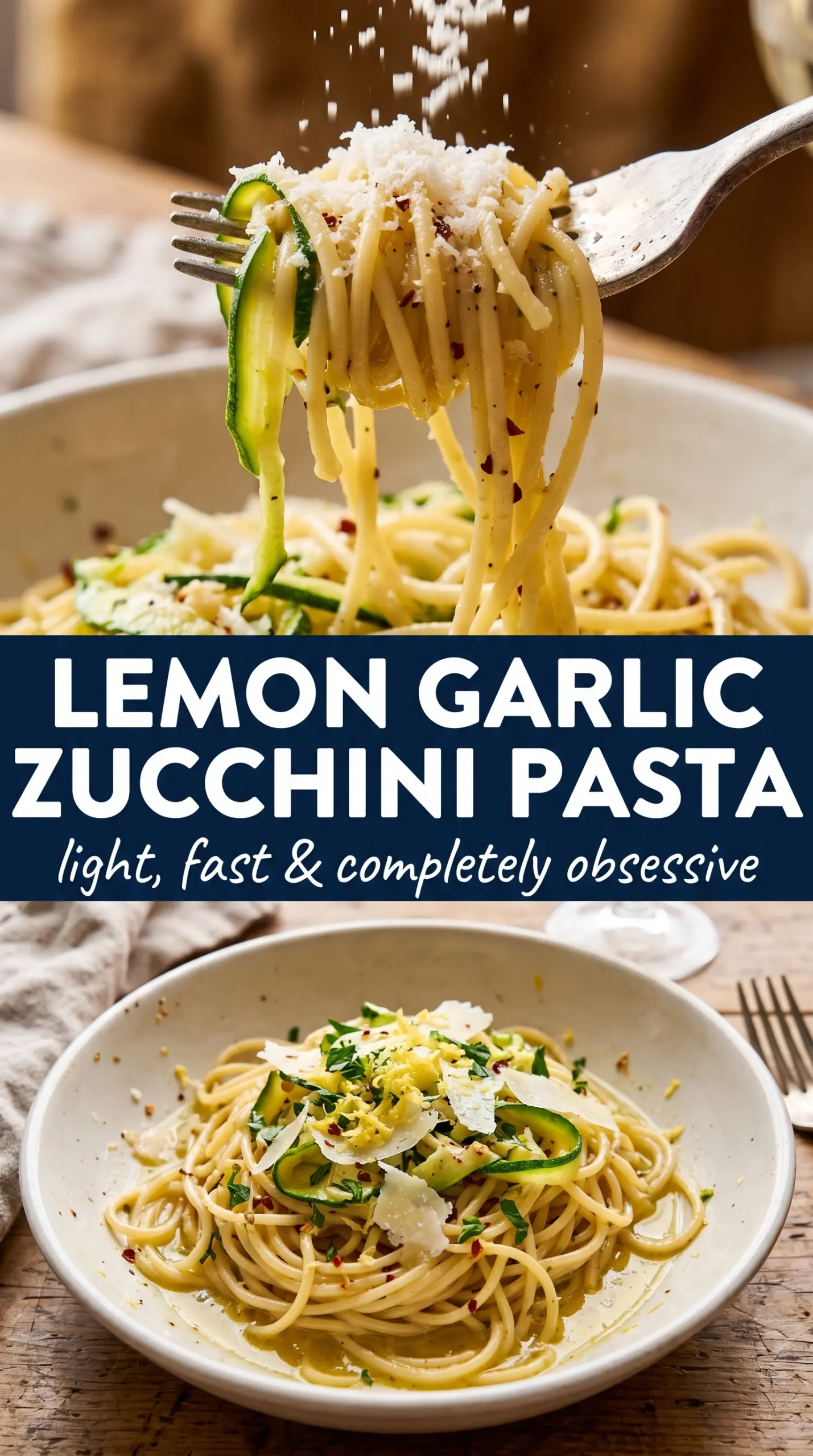
- Zucchini — Grated on the large holes, it breaks down into the sauce and gives the pasta body without heaviness. Smaller shreds can turn mushy too fast, while thicker slices won’t melt in the same way.
- Garlic — Thin slices go golden and sweet in the oil, which gives the whole dish its backbone. If garlic burns, it turns bitter fast, so keep the heat at medium and pull the pan back if the edges darken too quickly.
- White wine — It adds a little acidity and depth before the lemon goes in. If you don’t cook with wine, use a splash of vegetable broth plus a teaspoon of extra lemon juice, though the finish will be slightly less rounded.
- Lemon zest and juice — The zest perfumes the sauce, and the juice sharpens it at the end. Don’t skip the zest; without it, the lemon flavor lands flatter and less aromatic.
- Parmesan — This is what turns the zucchini mixture into a clinging sauce. Use finely grated cheese, not big shreds, so it melts in smoothly instead of turning stringy.
- Pasta water — The starch is what helps the sauce coat the spaghetti. Add it a splash at a time until the pan looks glossy and the pasta slides instead of sticking.
How to Build the Sauce So It Clings to Every Strand
Cooking the Pasta to the Right Point
Boil the pasta in well-salted water until it’s just al dente, then pull out a full cup of water before you drain it. You want a little bite left because the noodles will spend another minute or two in the sauce. If you cook them all the way through in the pot, they’ll go soft once they hit the skillet and won’t hold the sauce as well.
Softening the Garlic Without Browning It Too Hard
Heat the olive oil and let the garlic turn golden at the edges, not dark brown. You’re looking for a sweet smell and a light sizzle, not aggressive frying. If the garlic gets too far, the sauce starts tasting sharp and burnt instead of mellow and savory.
Letting the Zucchini Collapse
Add the grated zucchini with the red pepper flakes and keep stirring until it turns soft and almost jammy. At first it’ll look like too much for the pan, then it will shrink fast as the water cooks off. If the zucchini is still wet when you add the wine, the sauce can go thin, so give it the full few minutes it needs.
Finishing With Lemon and Cheese
Once the wine has evaporated, add the pasta, lemon zest, lemon juice, and a splash of pasta water. Toss hard so the starch starts working right away, then add the parmesan off the hottest part of the burner if the pan is scorching. That last step keeps the cheese from clumping and gives you a silky sauce instead of a grainy one.
Three Ways to Make This Pasta Work for Your Pantry
Make It Dairy-Free
Skip the parmesan and finish with a handful of toasted breadcrumbs or a dairy-free hard cheese if you use one that melts well. The sauce will be a little less creamy and less salty, so season more deliberately at the end and lean on the lemon zest for lift.
Make It Gluten-Free
Use a sturdy gluten-free spaghetti or linguine that holds up to tossing, and keep it just barely al dente. Some gluten-free pastas release less starch, so you may need a little extra pasta water or a splash of hot water to get the sauce to cling.
Add Protein Without Losing the Balance
Toss in sautéed shrimp, shredded rotisserie chicken, or white beans at the end. Keep the additions modest so the zucchini and lemon stay in charge; the point of this dish is still the sauce, not the protein.
Use Summer Herbs for a Different Finish
Basil gives the cleanest finish, but parsley or mint works if that’s what you’ve got. Add tender herbs at the very end so they stay fresh and don’t lose their color in the heat.
Storage and Reheating
- Refrigerator: Store leftovers in an airtight container for up to 3 days. The pasta will absorb more sauce as it sits, so expect it to look a little tighter the next day.
- Freezer: This dish doesn’t freeze well. The zucchini softens too much and the parmesan sauce can turn grainy after thawing.
- Reheating: Rewarm gently in a skillet over low heat with a splash of water to loosen the sauce. Don’t blast it in the microwave without added liquid or the pasta can dry out before the sauce comes back together.
Answers to the Questions Worth Asking
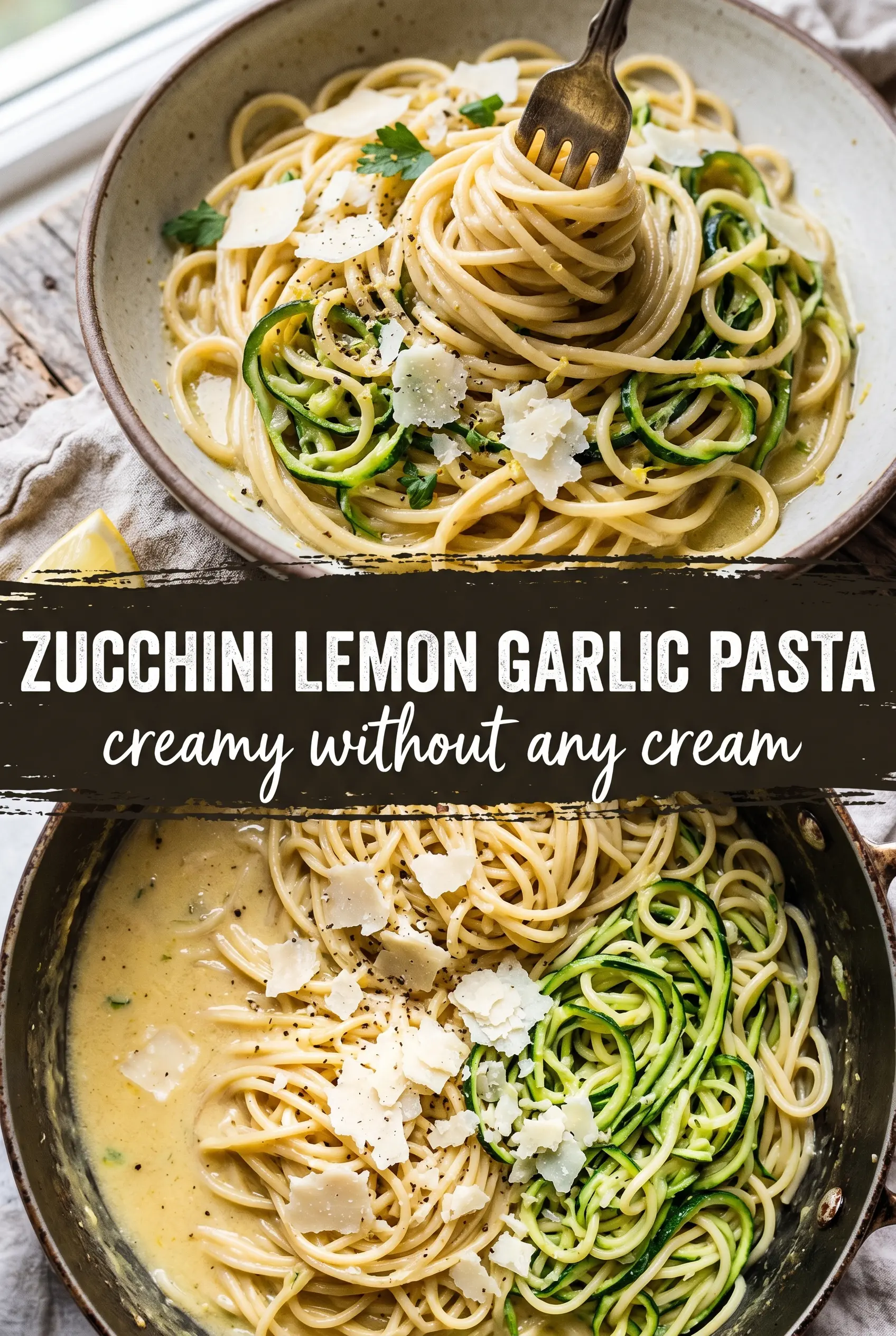
Pasta with Zucchini Lemon Garlic Sauce
Ingredients
Equipment
Method
- Bring a large pot of well-salted water to a boil, then cook spaghetti (or linguine) until al dente. Reserve 1/2 cup pasta cooking water before draining.
- Heat olive oil in a large skillet over medium heat. Add garlic slices and cook 2–3 minutes until golden at the edges.
- Add grated zucchini and red pepper flakes to the skillet and cook 5–6 minutes, stirring. Keep cooking until the zucchini breaks down into a soft, almost saucy consistency.
- Pour in dry white wine and cook for 2 minutes, stirring as needed. Continue until the wine evaporates.
- Add drained pasta to the skillet along with lemon zest, lemon juice, and a splash of reserved pasta water. Toss vigorously to coat.
- Add parmesan and toss until the sauce clings to every strand. Add pasta water as needed to keep it glossy.
- Season with salt and black pepper to taste, then garnish with fresh basil and serve immediately. Offer extra parmesan on top.