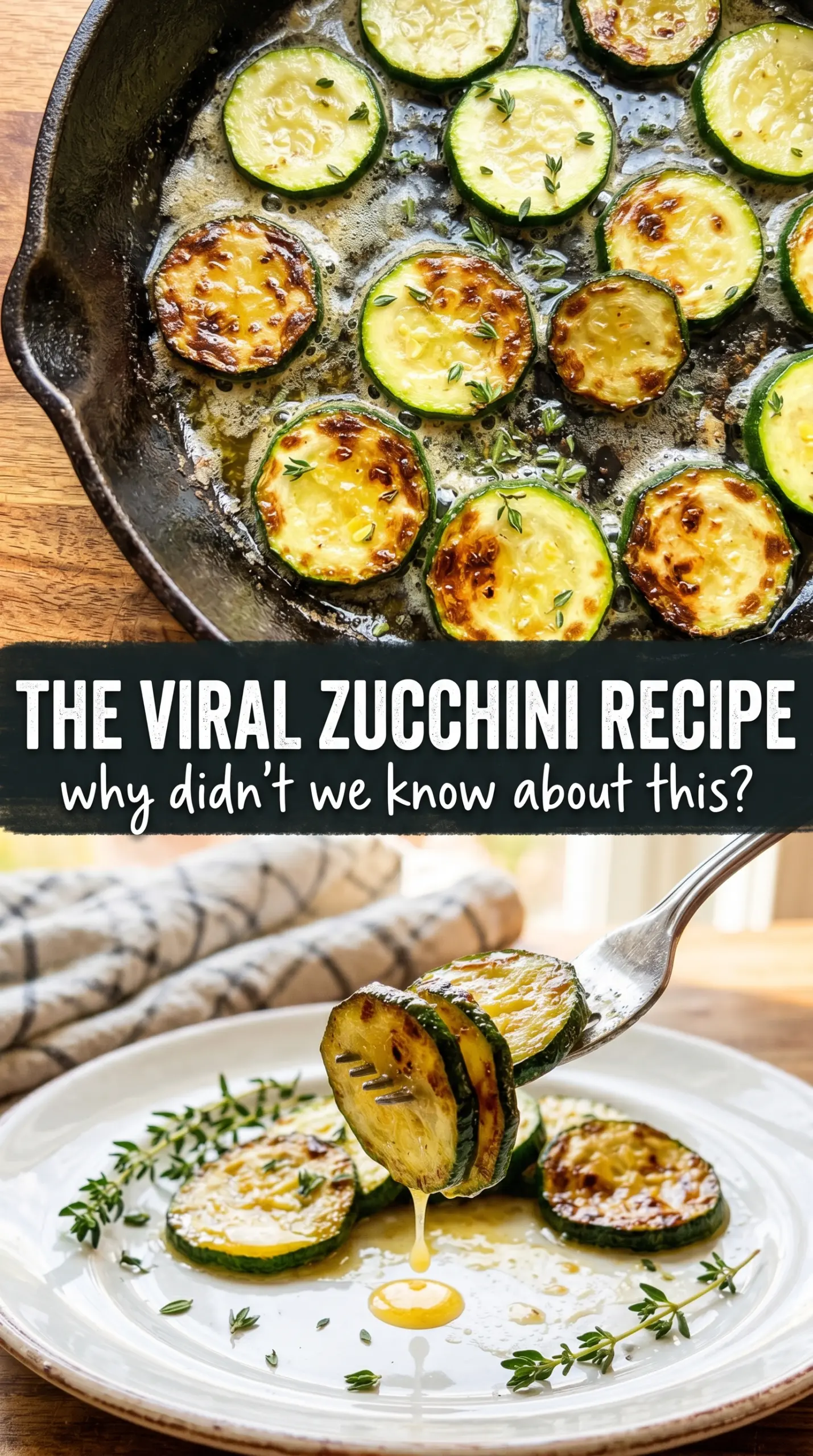
Deeply browned zucchini coins with nutty butter and a little salt turn from plain to memorable in about ten minutes. The trick isn’t piling on more seasoning or cooking them longer; it’s giving the cut side enough contact with a hot pan to build a crisp, caramelized crust while the other side stays tender and green.
This version works because it respects how zucchini behaves. It carries a lot of water, so the rounds have to be dried well before they hit the skillet. A stainless steel or cast iron pan, a layer of neutral oil first, and patience before the first move are what create that dramatic golden surface. The butter goes in after the sear so it can brown into a noisette without burning during the whole cook.
Below, I’ve included the exact timing cues that matter, the ingredient choices that make a difference, and a few smart ways to adapt this when you want a different finish or need to work around what’s in the kitchen.
I’ve cooked zucchini for years, but the one-side sear made all the difference. The bottoms turned deep golden without getting mushy, and the brown butter gave it that restaurant-style finish.
Like this French-style zucchini? Save it to Pinterest for the nights when you want a 10-minute side with a deep sear and brown butter finish.
The One-Sided Sear That Gives These Zucchini Coins Their Edge
Zucchini fails when it’s treated like a vegetable that needs to be fully cooked through. It doesn’t. The goal here is contrast: one side deeply browned, almost crisp at the edge, while the interior stays tender and just barely set. If you flip it, you lose the whole point and end up with soft, wet rounds that taste steamed instead of seared.
The hot pan matters more than extra butter or fancy garnish. A dry surface on the zucchini is what lets the Maillard reaction start quickly, and the single layer keeps the coins from trapping their own steam. If the pan is crowded, the zucchini releases water, the temperature drops, and the browning stalls.
What Each Ingredient Is Actually Doing in This Dish
- Zucchini — Medium zucchini hold their shape better than oversized ones, which can be watery and seedy in the center. Cut them into even 1/3-inch rounds so they brown at the same rate. Thicker slices take longer and soften before they color; thinner ones can collapse before you get that deep golden crust.
- Neutral oil — This gives you the high-heat sear without burning before the zucchini is ready. Grapeseed or vegetable oil is ideal because it stays quiet in a hot pan and lets the butter come in later as flavor, not as the cooking fat from the start.
- Butter — Added after the first side has browned, butter turns into brown butter and brings the nutty, almost toasted finish this dish is known for. If you add it too early, the milk solids can scorch before the zucchini has time to color. Unsalted butter gives you control, since the final seasoning comes from the salt at the end.
- Fleur de sel or flaky salt — Use it at the table or right as the zucchini comes out of the pan so the crystals stay distinct. Fine salt disappears fast and can make the dish taste flat; the little crunch of flaky salt keeps each bite bright.
- Thyme or chervil — This is optional, but a few soft herb leaves make the dish feel finished without covering the zucchini. Thyme leans woodsy and chervil stays lighter and more delicate, which fits the French-American feel.
Getting the Golden Side Without Steaming the Pan
Dry the zucchini before it meets the heat
Pat the rounds completely dry with paper towels, especially the cut surfaces. Zucchini carries a lot of water, and that moisture has to go somewhere; if it hits the pan, it turns to steam and slows browning. The surface should look dull and dry, not slick or wet. If you’re in a rush and skip this part, the zucchini will still cook, but it won’t sear with that crisp edge.
Let the pan get properly hot
Set a stainless steel or cast iron skillet over high heat and wait until it feels hot enough that a drop of oil shimmers right away. Add the oil, then lay the zucchini in a single layer cut-side down. You should hear an active sizzle the moment they touch the pan. If the sound is faint, the pan isn’t hot enough and the vegetable will soften before it browns.
Leave the zucchini alone long enough to brown
Don’t touch or move the rounds for 3 to 4 minutes. The first side needs uninterrupted contact with the pan to develop that deep golden color and clean release. If you try to peek too early, the slices can stick and tear. When they’re ready, the bottom edge will look richly browned and the zucchini will lift more easily from the skillet.
Finish with brown butter, not more cooking time
Add the butter once the first side is already well seared and let it foam until it smells nutty and turns golden brown. That’s the noisette stage, and it happens fast, so stay close to the pan. Remove the zucchini immediately after the butter browns; the residual heat is enough to finish the dish. The goal is a seared surface with a tender center, not fully softened zucchini.
How to Adjust This for a Different Pan, Diet, or Finish
Dairy-Free Browned Zucchini
Swap the butter for an extra tablespoon of neutral oil and finish with a little more flaky salt. You won’t get the nutty brown-butter aroma, but you’ll keep the clean sear and the crisp edges that make the dish work.
Using Yellow Squash Instead
Yellow squash behaves almost the same way, but it can be a touch softer and slightly sweeter. Keep the slices even and don’t crowd the pan, or they’ll collapse before they get that same dark sear.
Making It Extra Herbaceous
Finish with thyme, chervil, or a few tiny dill fronds if you want a greener, brighter plate. Add the herbs at the very end so they stay fresh; if they hit the pan too soon, they’ll wilt and lose their clean flavor.
Cast Iron vs. Stainless Steel
Cast iron gives you steadier heat and a slightly deeper crust, while stainless shows you more clearly when the zucchini has released and is ready to turn. Either works well; the only mistake is starting with a pan that isn’t fully hot enough to brown the first side quickly.
Storage and Reheating
- Refrigerator: Store leftovers in an airtight container for up to 2 days. The seared side will soften, but the flavor stays good.
- Freezer: Don’t freeze this dish. Zucchini turns watery and soft after thawing, and the browned surface never comes back.
- Reheating: Warm the zucchini in a hot skillet for 1 to 2 minutes just until heated through. The mistake is microwaving it, which makes the coins limp and steamy instead of lightly revived.
Questions I Get Asked About This Recipe
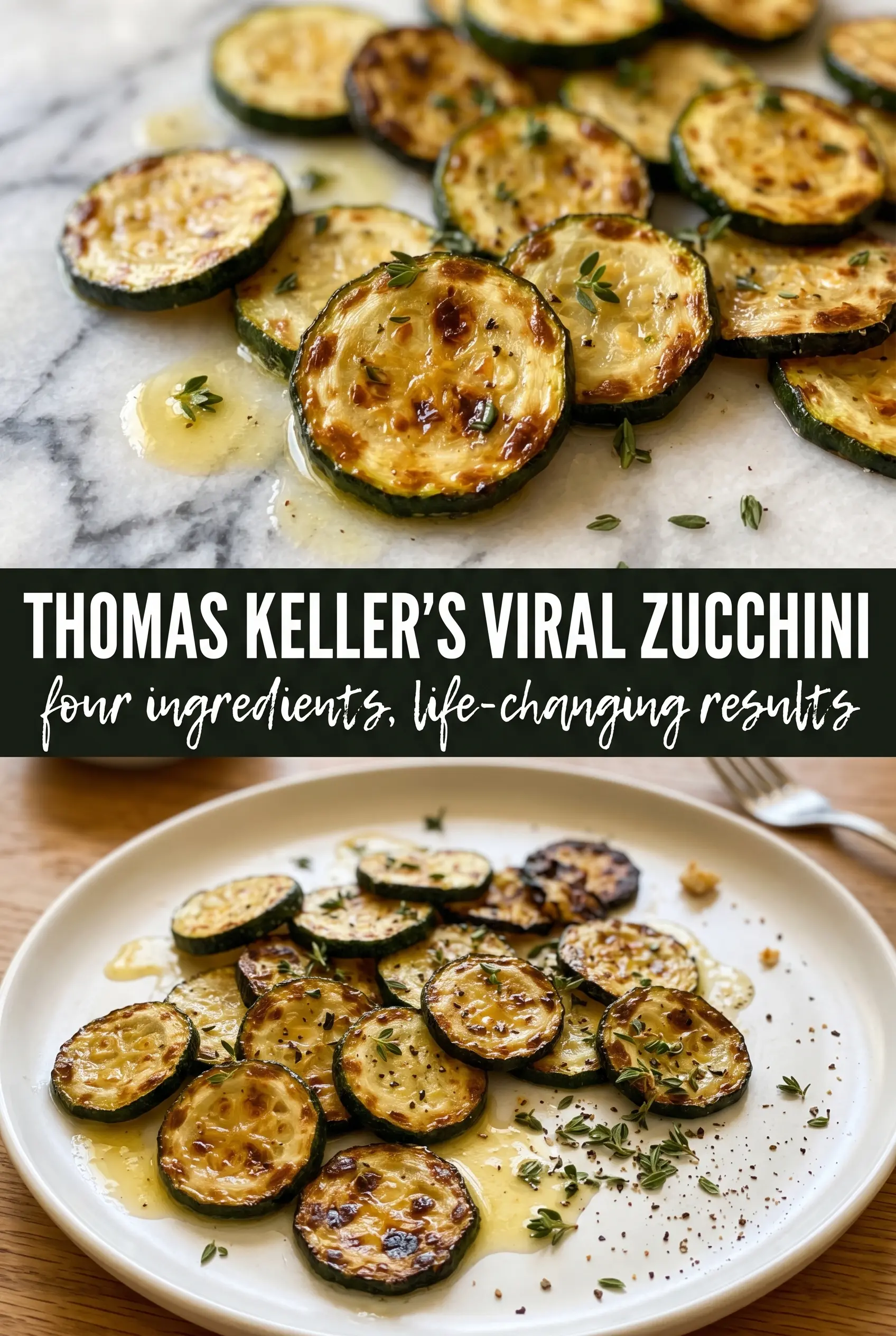
Thomas Keller’s Viral Zucchini Coins with Brown Butter
Ingredients
Equipment
Method
- Pat the zucchini rounds completely dry with paper towels, removing as much surface moisture as possible.
- Heat a large stainless or cast iron skillet over high heat until very hot, then add the neutral oil.
- Place the zucchini rounds in a single layer, cut-side down, and do not touch or move them for 3–4 minutes until the bottom is deeply golden.
- Add the butter and let it foam and brown to a noisette, watching for nutty, amber color.
- Remove the zucchini immediately, keeping the golden side up, and season with fleur de sel and freshly ground black pepper.
- Serve right away with a small garnish of fresh thyme (or chervil, if using).