Charred zucchini coins with crisp, golden edges and a tender center are the kind of side dish that disappears before the main course gets a fair chance. The Blackstone gives zucchini what a skillet often misses: steady heat, plenty of surface contact, and just enough room to keep the slices from steaming in their own moisture.
The trick is simple but important. Cut the zucchini into even rounds so they cook at the same pace, then season them before they hit the griddle so the oil, garlic, and herbs cling to the surface instead of sliding off. Medium-high heat does the heavy lifting here; too low and the zucchini turns pale and soft, too hot and the garlic can burn before the centers tenderize.
Below, I’ll walk you through the part that matters most: how to get real browning without turning the slices mushy. I’ve also included a few smart variations, plus the little details that make the Parmesan and basil finish taste fresh instead of heavy.
The zucchini got those perfect browned edges on the Blackstone and stayed tender instead of watery. I tossed on the Parmesan at the end like you said, and it melted just enough without getting gummy.
Save this Blackstone griddle zucchini for the nights when you want a fast side with charred edges and a bright Parmesan finish.
The Difference Between Browned Zucchini and Steamed Zucchini
Zucchini gives you almost no room for error. It releases water fast, and on a crowded pan that water turns into steam before the edges ever have a chance to color. That’s why the single-layer rule matters more than almost anything else in this recipe. Give each slice direct contact with the hot griddle, and you get a thin caramelized edge instead of limp, gray rounds.
The other thing that changes the result is thickness. A quarter-inch round is thin enough to brown quickly, but still sturdy enough to stay intact when you flip it. If the slices are thinner, they collapse and overcook before they pick up color. If they’re thicker, the outside cooks while the center stays spongy. The sweet spot is just enough body to hold onto that tender bite.
- Single layer — Crowding is the fastest way to lose browning. If the zucchini overlaps, the moisture has nowhere to go.
- Medium-high heat — Hot enough to sear, not so hot that the garlic burns before the zucchini softens.
- Dry cut surface — Freshly sliced zucchini is fine, but if it looks wet, pat it once with a paper towel so it starts browning instead of steaming.
- Finish off the heat with Parmesan — The cheese clings better to hot zucchini after it comes off the griddle, and it won’t scorch on the surface.
What Each Ingredient Is Actually Doing in This Dish
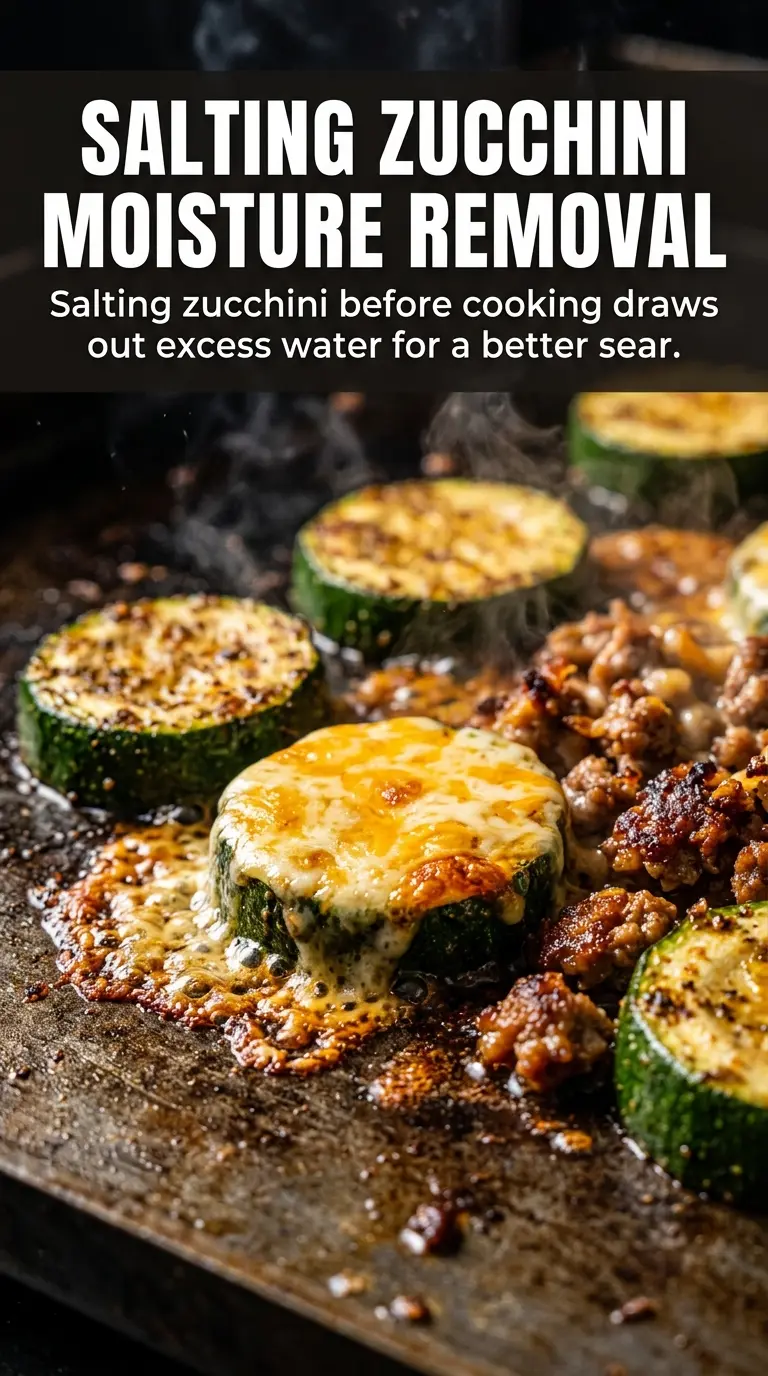
- Zucchini — The star here needs to be firm and medium to large. Smaller zucchini can work, but they cook faster and can go soft before you get those browned edges. Slice them evenly so every round has the same chance to sear.
- Olive oil — This helps the zucchini brown and keeps the seasoning attached. Use enough to lightly coat the slices, but not so much that they puddle on the griddle and fry instead of sear.
- Garlic — Fresh minced garlic gives the dish its punch, but it can scorch fast. Mixing it with the oil before cooking spreads it out so it perfumes the zucchini instead of hitting one hot spot and turning bitter.
- Italian seasoning — This adds dried herbs that hold up well to griddle heat. If all you have is dried oregano and basil, that swap works fine; just keep the amount light so the herbs don’t dominate the zucchini.
- Parmesan — Use the finely grated kind for the best melt and cling. A block grated fresh will taste a little richer, but the shelf-stable grated version still works if that’s what’s in the fridge.
- Fresh basil and lemon — These are the finish that keeps the dish bright. Basil adds a fresh herbal note, and lemon cuts through the richness of the cheese so the whole side tastes lively instead of heavy.
Getting the Sear Right on the Blackstone
Season the zucchini before it hits the heat
Toss the zucchini rounds with oil, garlic, Italian seasoning, salt, and pepper before they go on the griddle. That keeps the flavor evenly distributed and helps the surface start browning right away. If you season after cooking, the spices sit on top instead of becoming part of the crust.
Let the griddle do the browning
Heat the Blackstone to medium-high and arrange the slices in a single layer. Leave them alone for the first few minutes so the bottom can develop color. If you keep nudging them, they never get the contact they need for those dark, crisp edges.
Flip when the edges release cleanly
Cook each side for about 4 to 5 minutes, but use the look of the zucchini more than the clock. The first side should be deeply golden underneath and the edges should look slightly blistered. If the slice sticks, it isn’t ready yet; give it another moment and it will lift cleanly.
Finish with cheese and herbs
Move the zucchini off the griddle as soon as it’s tender, then scatter the Parmesan over the top. The residual heat melts it just enough without turning it oily. Add the basil and lemon at the end so the herbs stay bright and the citrus stays sharp.
How to Adapt This for Different Tables and Different Fridges
Make it dairy-free
Skip the Parmesan and finish with extra basil plus a squeeze of lemon. You’ll lose the salty, savory layer from the cheese, but the zucchini still tastes complete because the griddle browning carries the dish. A few crushed toasted breadcrumbs can add texture if you want a little more presence on top.
Make it keto-friendly and lower carb
This recipe already fits naturally into a low-carb plan. The only thing to watch is the Parmesan amount if you’re tracking macros closely, but otherwise the ingredients stay the same. The high-heat griddle method keeps the zucchini satisfying without breading or flour.
Use yellow squash instead of some of the zucchini
Swap in half yellow squash for a little color variation and a slightly softer bite. Yellow squash cooks at nearly the same speed, so you can keep the timing the same as long as the slices are similar in thickness. The result is a little sweeter and a touch more delicate.
Storage and Reheating
- Refrigerator: Store leftovers in an airtight container for up to 3 days. The zucchini will soften a bit, but the flavor stays good.
- Freezer: I don’t recommend freezing it. Zucchini turns watery after thawing and loses the texture that makes this dish worth making on the griddle.
- Reheating: Warm it in a hot skillet or back on the griddle for a minute or two just until heated through. The mistake to avoid is the microwave, which makes the slices limp and steamy.
Answers to the Questions Worth Asking
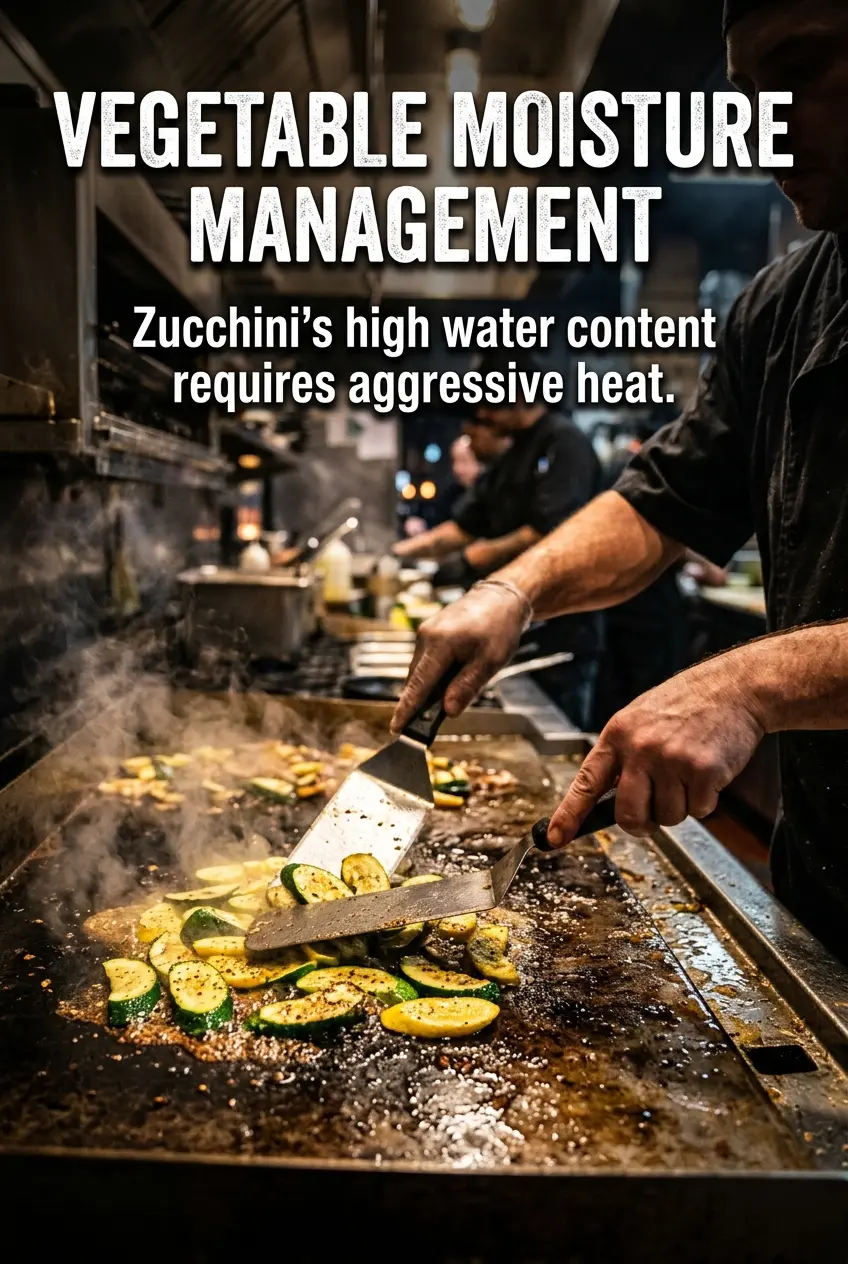
Blackstone Griddle Zucchini
Ingredients
Equipment
Method
- Toss zucchini rounds with olive oil, garlic, Italian seasoning, salt, and pepper until evenly coated. You should see the slices glisten with seasoning.
- Heat the Blackstone griddle to medium-high heat until hot. A light heat shimmer should be visible over the surface.
- Arrange zucchini in a single layer on the griddle. Leave space so coins can char and brown on the edges.
- Cook for 4-5 minutes per side until golden and tender. Flip once so both sides develop charred, golden edges.
- Remove the zucchini from the griddle and immediately sprinkle with Parmesan cheese. Let it melt and cling to the hot charred surfaces.
- Garnish with fresh basil and serve with lemon wedges. Finish with a squeeze of lemon right before eating.