Juicy grilled chicken with deep savory flavor and clean, balanced seasoning earns its spot on repeat fast. The outside picks up those dark grill marks and a little smoke, while the inside stays tender instead of drying out on the heat. It tastes like the chicken people go back for first at a backyard cookout.
The marinade does the heavy lifting here. Soy sauce and Worcestershire bring salt and depth, lemon juice cuts through with brightness, and Dijon helps the whole mixture cling to the chicken instead of sliding off in the bowl. A little brown sugar encourages browning without turning the chicken sticky or sweet, and the garlic, paprika, and black pepper keep the flavor classic and grounded.
Below you’ll find the one grilling habit that matters most for juicy results, plus the ingredient swaps that work when you need them. If grilled chicken usually turns out bland or dry at your house, this version fixes both problems.
The chicken stayed juicy and the marinade gave it that savory BBQ flavor without tasting sugary. I grilled it for about 6 minutes per side and it came off the grate with perfect marks.
Save this All-Star Grilled Chicken for your next cookout when you want juicy chicken with bold marinade flavor and clean grill marks.
The Marinade Time That Makes the Difference Between Juicy and Dry
The biggest mistake with grilled chicken is treating the marinade like a last-minute coating instead of a real seasoning step. It needs time to move the flavor into the meat and give the acid a chance to work without overdoing it. Two to eight hours is the sweet spot here. Less than that and the seasoning stays mostly on the surface; much longer and the lemon juice can start pushing the texture in the wrong direction, especially on thinner pieces.
This recipe also avoids the trap of sugary marinades that burn before the chicken cooks through. Brown sugar is here for color and balance, not sweetness. The soy sauce, Worcestershire, and mustard build a savory backbone, which is why the chicken tastes seasoned all the way through instead of just glossed on top.
What Each Ingredient Is Actually Doing in the Marinade
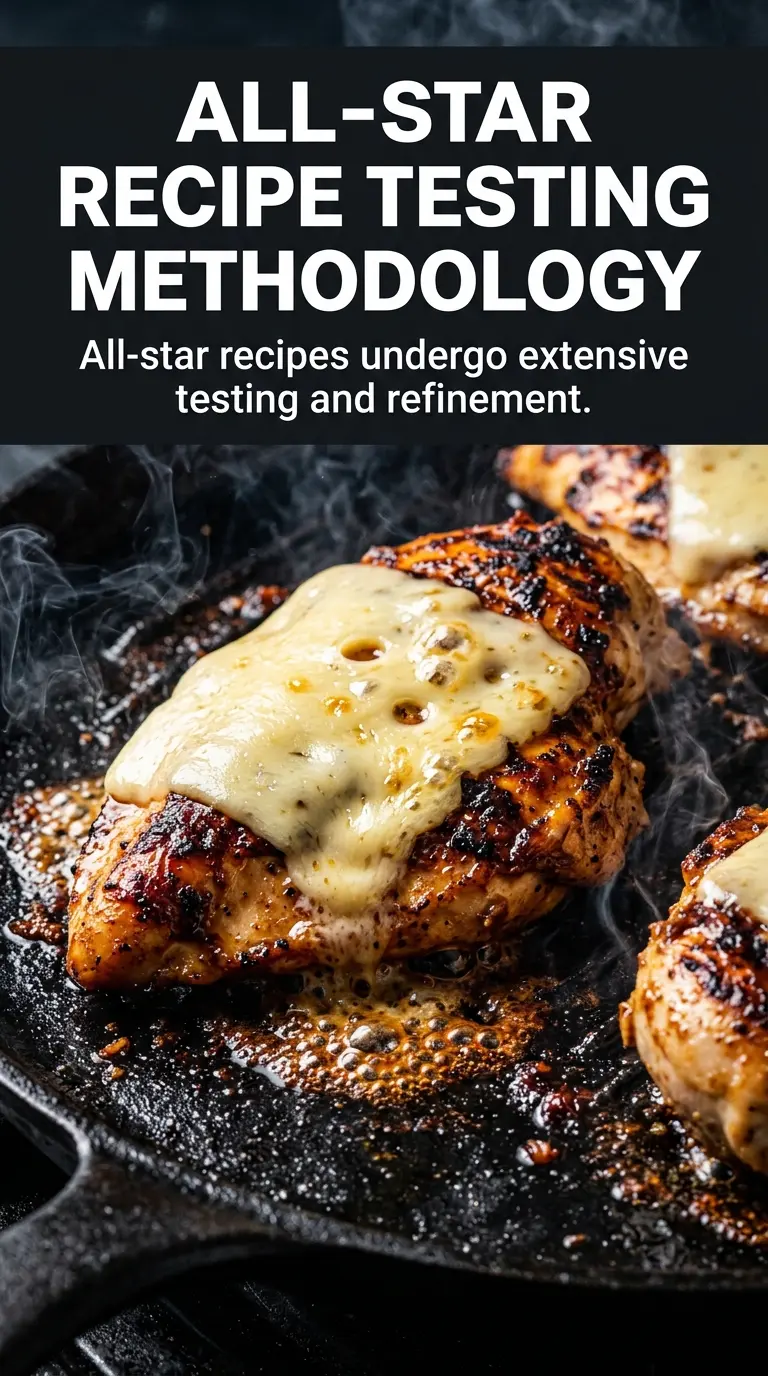
- Chicken pieces — Bone-in pieces stay juicier on the grill than boneless breasts, but boneless thighs or breasts still work if you watch the cook time closely. Thighs give you the most forgiveness. Breasts need the grill pulled the moment they hit 165°F.
- Olive oil — Helps the marinade coat the chicken and keeps the surface from drying out on the grill. A neutral oil can stand in, but olive oil adds a little roundness that fits this style well.
- Soy sauce — This is your salt and umami. Use low-sodium if that’s what you keep around, but don’t skip it unless you’re replacing it with another salty, savory ingredient.
- Lemon juice — Brightens the whole marinade and keeps the flavor from tasting flat. Fresh lemon juice is best here because bottled juice can taste harsh, especially once it’s grilled.
- Worcestershire sauce — Adds depth that makes the chicken taste like it’s been marinating longer than it has. There isn’t a perfect substitute, though a splash of extra soy sauce and a little vinegar can cover part of the gap.
- Dijon mustard — Helps the marinade emulsify so it clings instead of separating in the bowl. Yellow mustard works in a pinch, but Dijon gives a cleaner, sharper edge.
- Garlic — Fresh minced garlic gives the marinade its backbone. Jarred garlic can work, but it tends to taste softer and less vivid after grilling.
- Brown sugar — Promotes browning and balances the salt and acid. Pack it lightly if your pieces are thin, since too much sugar can darken too quickly over the fire.
- Paprika and black pepper — Paprika gives color and a mild smoky note, while black pepper keeps the seasoning from tasting one-dimensional. Smoked paprika is a good swap if you want a deeper grill-like flavor before the chicken even hits the grate.
Getting the Grill Marks Without Losing the Juiciness
Whisk the marinade until it looks smooth
Combine the olive oil, soy sauce, lemon juice, Worcestershire, Dijon, garlic, brown sugar, black pepper, and paprika in a bowl and whisk until the sugar dissolves and the mixture looks glossy. If you see little puddles of oil floating apart, keep whisking. A well-blended marinade coats the chicken more evenly and keeps the flavors from cooking into separate layers on the grill.
Let the chicken marinate long enough to matter
Put the chicken and marinade into a zip-top bag or shallow dish and refrigerate for 2 to 8 hours. Turn the pieces once or twice if they’re in a dish so every side gets contact with the marinade. If you’re using very small pieces, stay closer to the 2 to 4 hour range; thin cuts can get a little soft if they sit too long in the lemon juice.
Preheat the grill before the chicken goes on
Heat the grill to medium-high and let the grates get hot before you oil them and add the chicken. If the grill isn’t hot enough, the chicken sticks and steams instead of searing. You want an immediate sizzle when the meat hits the grate and enough heat to pick up color without burning the sugars in the marinade.
Cook to temperature, not to the clock
Grill the chicken, turning occasionally, until the thickest part reaches 165°F. Thicker bone-in pieces can take longer than you expect, and thinner pieces can finish sooner than the recipe time suggests. If the outside is getting too dark before the center is done, move the chicken to a cooler part of the grill and let it finish gently.
Rest before slicing or serving
Take the chicken off the grill and let it rest for 5 minutes. That short pause keeps the juices from running out the second you cut in. If you slice too early, even perfectly cooked chicken can look dry on the plate.
Three Ways to Make This Grilled Chicken Fit Your Table
Bone-in thighs for the juiciest result
Use bone-in, skinless or skin-on thighs if you want the most forgiving grilled chicken. They stay moist longer than breasts and handle a little extra char without drying out. The cook time may run a few minutes longer, but the payoff is deeper flavor and a softer texture.
Gluten-free version
Use a gluten-free soy sauce or tamari and check your Worcestershire label, since some brands include wheat. The flavor stays close to the original, and the chicken still gets the same savory depth and browning. This is the easiest swap in the whole recipe.
Lighter lemon-herb direction
Reduce the brown sugar to 1 tablespoon and add chopped fresh rosemary or thyme to the marinade. The chicken loses a little of the classic BBQ-style sweetness and gains a brighter, herbier finish that works well with salads or grilled vegetables.
No grill, stovetop version
Cook the marinated chicken in a heavy skillet over medium heat until browned and cooked through, then lower the heat if the sugar in the marinade starts to darken too fast. You won’t get the same smoky mark from a grill, but you’ll still get a good crust and juicy meat if you don’t rush the heat.
Storage and Reheating
- Refrigerator: Store leftovers in an airtight container for up to 4 days. The chicken stays moist if you keep it covered, though the grilled edges soften a bit.
- Freezer: Grilled chicken freezes well for up to 2 months. Cool it completely first, then wrap tightly and freeze in a flat layer so it thaws evenly.
- Reheating: Reheat gently in a covered skillet with a splash of water or broth over low heat, or warm it in a 300°F oven until just heated through. High heat dries out grilled chicken fast, so skip the microwave if you want to keep the texture intact.
Answers to the Questions Worth Asking
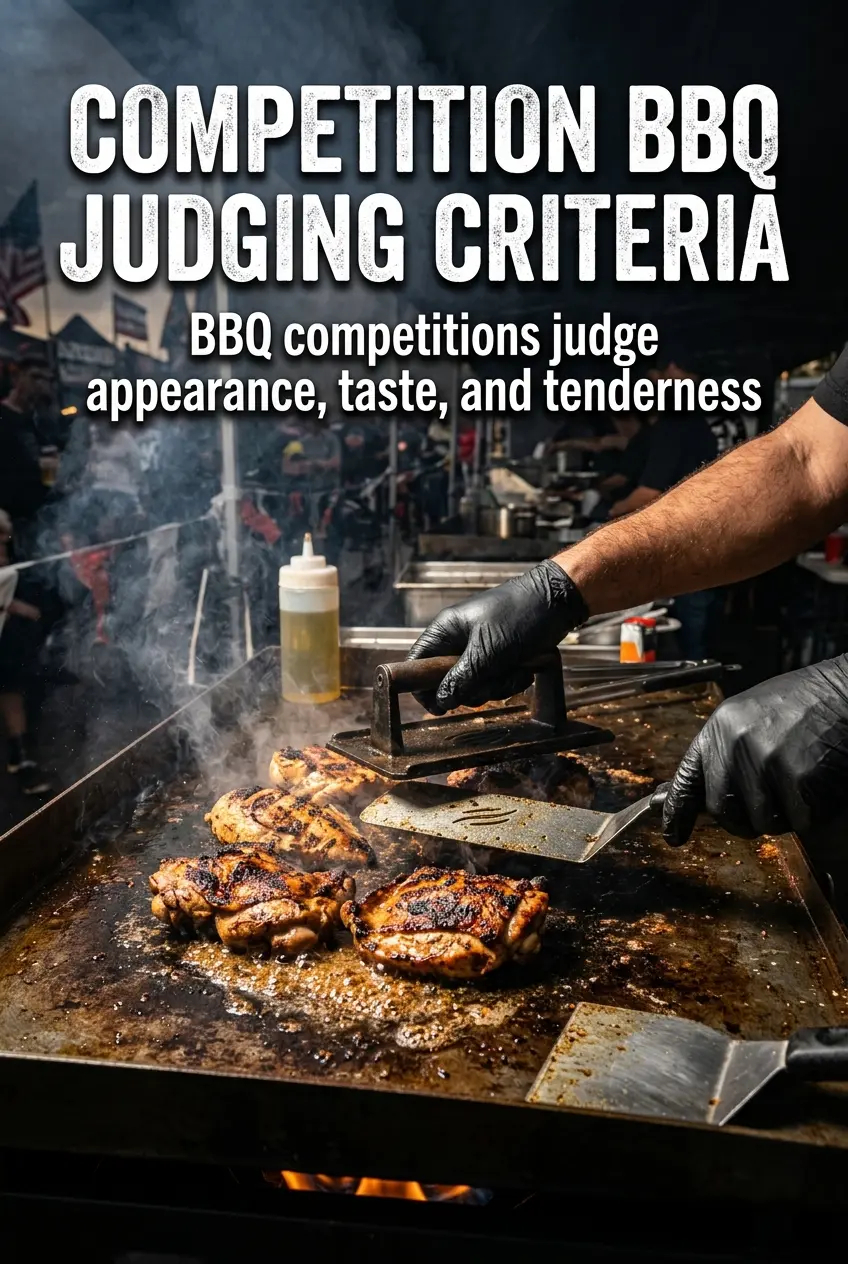
All-Star Grilled Chicken
Ingredients
Equipment
Method
- Whisk together olive oil, soy sauce, lemon juice, Worcestershire sauce, Dijon mustard, minced garlic, brown sugar, black pepper, and paprika until smooth and evenly combined, with no streaks of mustard.
- Move chicken pieces to a nonreactive container or bag and pour the marinade over them, turning to coat thoroughly so every surface is covered.
- Refrigerate the chicken for 2 to 8 hours to let the flavors soak in; keep it covered and cold for consistent seasoning.
- Preheat the grill to medium-high heat, keeping the grate hot so chicken gets grill marks quickly.
- Place chicken on the grill and cook, turning occasionally, until the internal temperature reaches 165°F when checked in the thickest part.
- Continue grilling in batches as needed to maintain medium-high heat and avoid steaming, and stop as soon as 165°F is reached.
- Let the grilled chicken rest for 5 minutes before serving so the juices redistribute and the meat stays tender.