Blackstone fried rice hits the griddle with that unmistakable mix of smoky edges, fluffy egg, and savory rice that tastes like it came straight off a busy takeout station. The best part is the texture: individual grains stay separate, the vegetables keep a little bite, and the soy sauce coats everything without turning the whole pan soggy.
This version works because the rice starts cold, the griddle stays hot, and the eggs go in first so they stay tender instead of disappearing into the rice. A little oyster sauce adds depth that plain soy sauce can’t quite give on its own, and sesame oil goes in at the end so its aroma stays intact. If you’ve ever had fried rice turn mushy or bland on a flat top, the fixes are built into the method here.
Below, I’ve included the small details that matter most on a griddle: how to keep the rice from clumping, when to add the garlic so it doesn’t scorch, and what to change if you want to use leftover chicken or swap in different vegetables.
The rice stayed separate and got those little crispy spots on the griddle, and the eggs were still soft instead of overcooked. I used leftover rice from the night before and it came together in minutes.
Save this Blackstone fried rice for the nights when you want hot, savory rice with crisp vegetables and soft scrambled egg fast.
The Trick to Fried Rice That Stays Separate on a Blackstone
The biggest mistake with griddle fried rice is crowding the surface with wet rice or adding the sauce too early. Cold rice gives you a fighting chance because the grains are firmer and drier, which helps them fry instead of steam. Once the rice hits the hot griddle, keep it moving just enough to break up clumps, but don’t stir constantly or you’ll miss the chance for those toasted edges that make this dish worth making.
The other thing that matters is order. Eggs go in first because they need a moment alone on the griddle to set softly, and the vegetables need a head start before the garlic and sauce go in. Garlic burns fast on high heat, so it belongs near the end when there’s already moisture and rice in the pan to protect it.
What Each Ingredient Is Actually Doing in This Fried Rice
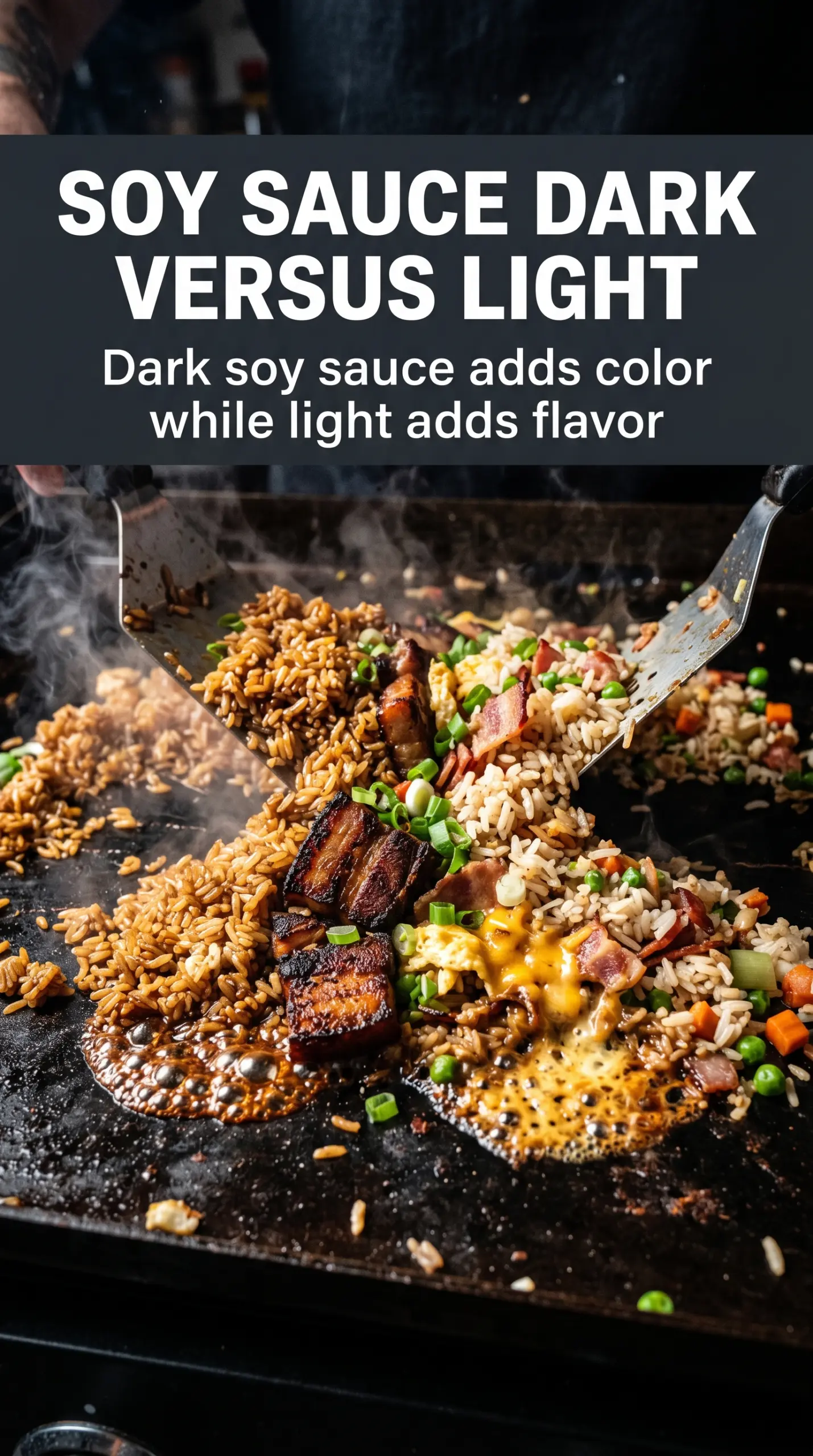
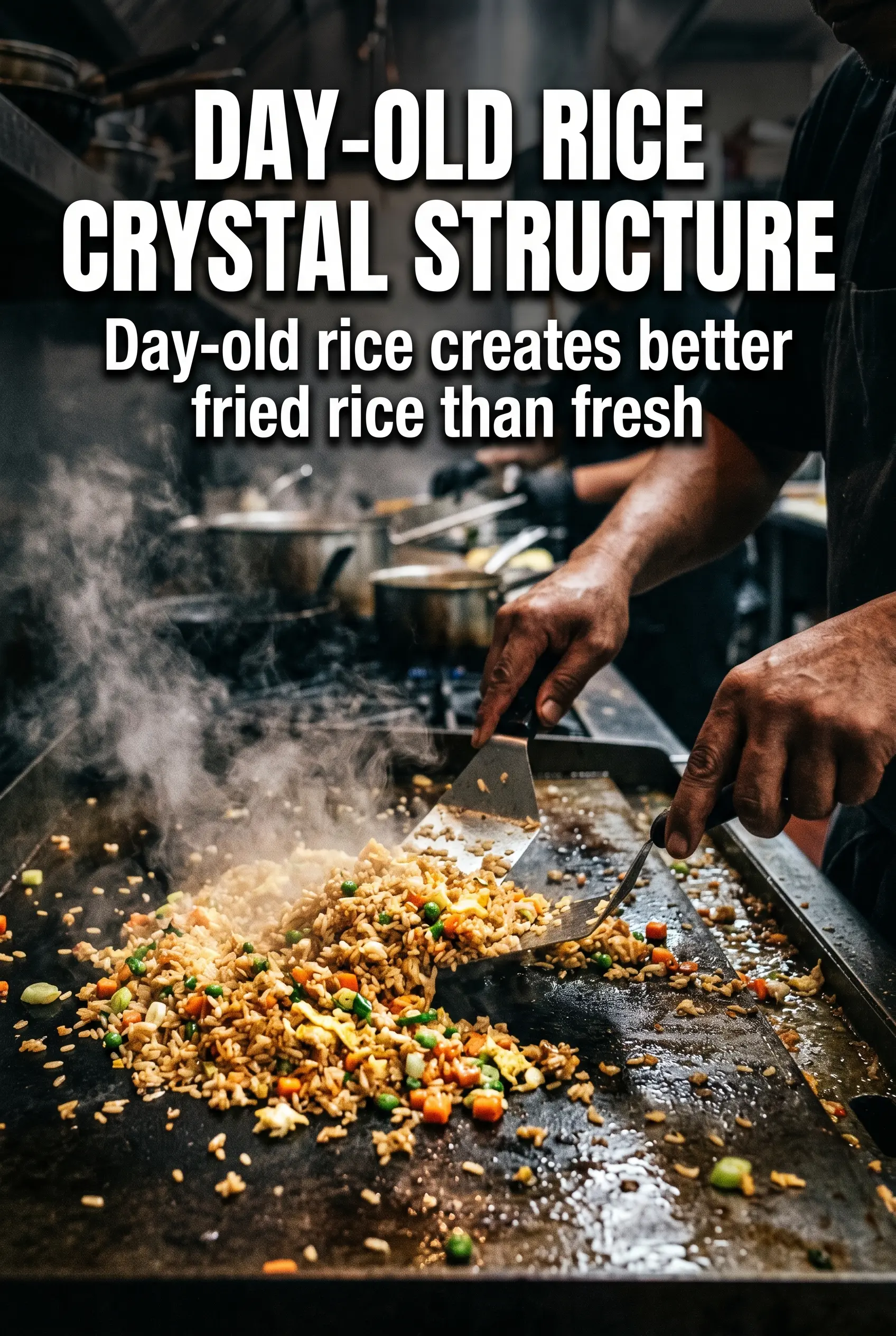
- Cold cooked rice — This is the backbone of the dish. Fresh rice turns sticky and soft; cold rice has had time to dry out, so it fries cleanly and keeps its shape. Day-old rice is ideal, but any fully cooled rice that’s been chilled works.
- Oyster sauce — This adds depth and a little gloss that soy sauce alone doesn’t give. It doesn’t make the rice taste fishy; it makes it taste fuller. If you need a swap, use a little extra soy sauce plus a pinch of sugar, but the finished dish won’t have the same roundness.
- Eggs — Cooking them first keeps them tender and distinct instead of streaked through the rice. Scramble them just until set; they’ll finish warming when you toss everything together.
- Frozen peas and carrots — Frozen vegetables are perfect here because they’re already cut small and they hold up well on high heat. Don’t thaw them first or they’ll dump extra moisture onto the griddle. If you want to use fresh diced carrots, give them a head start before adding the rice.
- Sesame oil — Use it at the end, not at the beginning. Its aroma fades with long, hard heat, so it works best as a finishing note rather than a cooking oil.
Building the Rice on the Griddle Without Burning the Garlic
Scrambling the Eggs First
Heat the Blackstone to high and add half the oil. Pour in the beaten eggs and scramble them just until they’re barely set, then push them to the side. They should still look soft and glossy, not dry and browned. If you leave them on the hot surface too long, they’ll overcook before the rice even goes on.
Cooking the Vegetables Before the Rice
Add the rest of the oil, then the onion, peas, and carrots. Let them cook for 3 to 4 minutes until the onion softens and the vegetables stop looking icy. You want the moisture to cook off here; if the vegetables are still wet when the rice goes in, the whole batch steams instead of frying.
Frying the Rice in Small Clumps
Spread the cold rice across the griddle and break up any clumps with two spatulas. Let it sit long enough to pick up a little color before tossing again. That’s how you get fried rice instead of heated rice. If the rice is sticking hard, the griddle probably needs a touch more oil or wasn’t hot enough at the start.
Finishing with Sauce and Aromatics
Add the garlic, soy sauce, oyster sauce, and sesame oil once the rice is hot and loosened. Toss quickly so the garlic doesn’t scorch and the sauces coat every grain evenly. Bring the eggs back in, add the green onions, then taste and season with salt and pepper. The rice should look glossy, smell nutty and savory, and still have some texture when you pull it off the heat.
How to Adapt Blackstone Fried Rice for the Food You Already Have
Make It Vegetarian
Skip the oyster sauce and use a vegetarian oyster-style sauce or a little extra soy sauce with a small pinch of sugar. You’ll lose a bit of the deep savoriness, but the dish still lands with that classic fried rice balance.
Use Leftover Chicken, Ham, or Shrimp
Add cooked protein after the vegetables and before the rice, just long enough to warm it through. If you add raw meat here, it won’t cook evenly on the griddle in the time the rice needs, so this method works best with already-cooked additions.
Make It Gluten-Free
Use gluten-free soy sauce or tamari and confirm your oyster sauce is labeled gluten-free. The texture won’t change, but you still get the same savory finish without the wheat.
Storage and Reheating
- Refrigerator: Store in an airtight container for up to 4 days. The rice will firm up a little as it chills.
- Freezer: It freezes well for up to 2 months. Cool it fast, portion it out, and wrap it tightly so the rice doesn’t pick up freezer odors.
- Reheating: Reheat in a skillet or on the griddle with a small splash of water or oil over medium-high heat. The common mistake is microwaving it until it dries out on the edges but stays cold in the center.
Questions I Get Asked About This Recipe
Blackstone Fried Rice
Ingredients
Equipment
Method
- Heat the Blackstone griddle to high heat and add 2 tablespoons oil. Pour in the beaten eggs and scramble until just cooked, then move the eggs to the side.
- Keep the eggs just set so you still see tender, golden pieces in the finished rice.
- Add the remaining oil and cook the diced onion plus frozen peas and carrots for 3-4 minutes, stirring occasionally. Cook until the vegetables are hot and slightly softened.
- Add the cold cooked rice and break up any clumps with spatulas. Cook for 5-6 minutes, spreading it out so it can heat through and lightly toast.
- Stir the garlic in and cook for about 30 seconds until fragrant, then add soy sauce, oyster sauce, and sesame oil while tossing. Keep the motion going so the sauce coats each grain.
- Mix the scrambled eggs and sliced green onions into the fried rice and toss to combine. Season with salt and pepper to taste, then serve hot.