Smoked mac and cheese earns its place on the table because it hits the sweet spot between ultra-creamy and deeply savory. The pasta stays coated in a thick cheese sauce, while the smoker adds a gentle woodsy edge and a crust that turns crisp at the top without drying out the center. It’s the kind of side dish people circle back to before the main course is finished.
The trick is keeping the sauce stable before it goes into the smoker. A smooth roux gives the milk and cream enough structure to thicken properly, and combining sharp cheddar with smoked Gouda brings both bite and depth. The panko topping matters too. It gives the top a little crunch so you get contrast in every spoonful instead of one soft, uniform pan.
Below you’ll find the smoking time that gets the texture right, the ingredient choices that matter most, and the small handling detail that keeps the sauce from turning grainy after a long cook. Once you’ve made it this way, it’s hard to go back to the stovetop version alone.
The sauce stayed creamy all the way through the smoke time, and that panko topping turned out crisp instead of soggy. I served it with ribs and there wasn’t a spoonful left.
Save this smoked mac and cheese for your next BBQ side dish spread — the creamy center and crisp smoky topping make it a standout next to ribs or brisket.
The Mistake That Turns Smoked Mac Into a Greasy Pan
The biggest problem with smoked mac and cheese is heat control. If the cheese sauce gets too hot before it goes into the smoker, the fats can separate and leave you with a slick, grainy pan instead of a smooth one. The smoker finishes the dish slowly, which is exactly what you want, but the sauce needs to be stable first.
A proper roux gives the milk and cream something to cling to, and that matters more here than in a quick stovetop macaroni. The sauce should look glossy and thick enough to coat the back of a spoon before the cheese goes in. If it’s still loose in the pan, it will stay loose after the pasta absorbs some of it, and the final bake will feel thin instead of lush.
- Keep the cheese over low heat or off the burner when you stir it in. High heat is what breaks it.
- Cook the sauce until it looks slightly thicker than you want. The pasta will pull some of that moisture away.
- Use the smoker as the final texture step, not the place where the sauce gets built from scratch.
What the Cheddar, Gouda, and Panko Are Each Doing
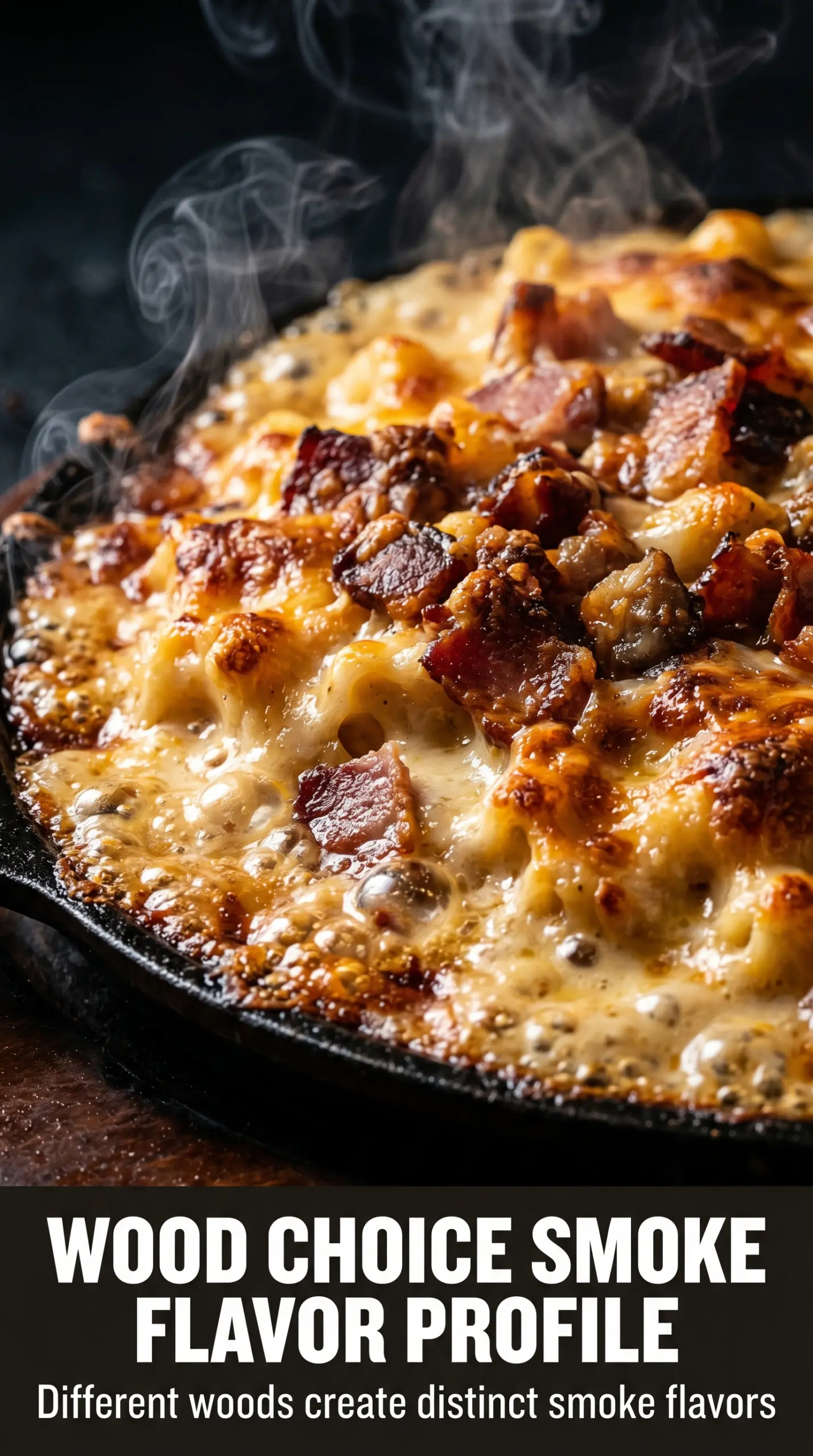
- Sharp cheddar — This is the backbone of the sauce. It melts smoothly and gives the mac the familiar tang people expect. A mild cheddar won’t deliver the same punch, and pre-shredded cheddar can work in a pinch, but freshly shredded cheese melts more evenly.
- Smoked Gouda — This is where the smoky depth comes from without relying only on the wood from the smoker. It melts creamily and adds a round, buttery note that cheddar alone can’t give. If you swap it for regular Gouda, the dish still works, but the smoke flavor will be gentler.
- Heavy cream — It keeps the sauce rich and helps it stay silky during the long smoke. You can replace part of it with more milk, but the texture won’t feel as plush and the sauce is more likely to thin out in the smoker.
- Panko breadcrumbs — These create the crisp top that makes each bite more interesting. Regular breadcrumbs turn denser and less airy, while panko stays lighter and browns more cleanly under smoke.
- Aluminum pan — It’s not just a convenience. It conducts heat evenly and makes it easy to move the mac from prep to smoker without losing the sauce along the way.
Getting the Sauce, Pasta, and Smoke to Work Together
Building the Roux
Melt the butter, whisk in the flour, and let it cook just long enough to lose the raw flour smell. It should look smooth and a little foamy, not browned. If the roux is undercooked, the sauce can taste pasty; if it gets too dark, it will mute the clean cheddar flavor you want in the finished dish.
Making the Cheese Sauce
Whisk in the milk and cream gradually so the base stays lump-free, then let it thicken before adding the cheese. The sauce should coat a spoon in a thick, velvety layer. Pull the pan off the heat before the cheese goes in if you see the edges bubbling hard; that little pause is what keeps the sauce from going grainy.
Coating the Pasta
Stir the cooked macaroni into the sauce until every piece is coated and glossy. The pasta should look generously dressed, not swimming. If it seems too thick at this point, that’s okay; a small splash of milk will loosen it, but resist making it soupy because the smoker won’t fix that later.
Finishing in the Smoker
Top the pan with panko mixed with melted butter and place it in a 225°F smoker. You want steady bubbles around the edges and a golden top, not hard boiling. Pull it when the crust is browned and the center is hot and creamy, then let it rest for about 10 minutes so the sauce settles instead of spilling out on the first scoop.
Three Ways to Bend This Recipe Without Breaking It
Gluten-Free Smoked Mac
Use your favorite gluten-free elbow pasta and replace the flour with a 1:1 gluten-free flour blend for the roux. The texture stays close to the original, but gluten-free pasta can soften faster, so pull the pan once the sauce is bubbly and the top is golden instead of letting it sit too long.
Dairy-Light Version
You can swap part of the heavy cream for more milk, but the sauce will be a little less lush and a little more prone to thinning in the smoker. Keep the cheddar, since it gives the dish its backbone, and don’t cut the cheese amount too far or the final texture turns loose.
Spicier BBQ Side Dish
Add a pinch of cayenne or a spoonful of chopped pickled jalapeños to the sauce for a sharper finish. The heat cuts through the richness and gives the dish more bite next to ribs or brisket. Just keep the add-ins modest so they don’t overwhelm the smoked Gouda.
Storage and Reheating
- Refrigerator: Store covered for up to 4 days. The sauce will thicken as it chills, which is normal.
- Freezer: It freezes, but the texture gets a little grainier after thawing. If you need to freeze it, cool it completely, wrap it well, and thaw in the refrigerator before reheating.
- Reheating: Warm it covered in the oven at 325°F with a splash of milk stirred in. Microwaving works for a bowl, but heat it in short bursts and stir often so the cheese sauce doesn’t split.
Questions I Get Asked About This Recipe
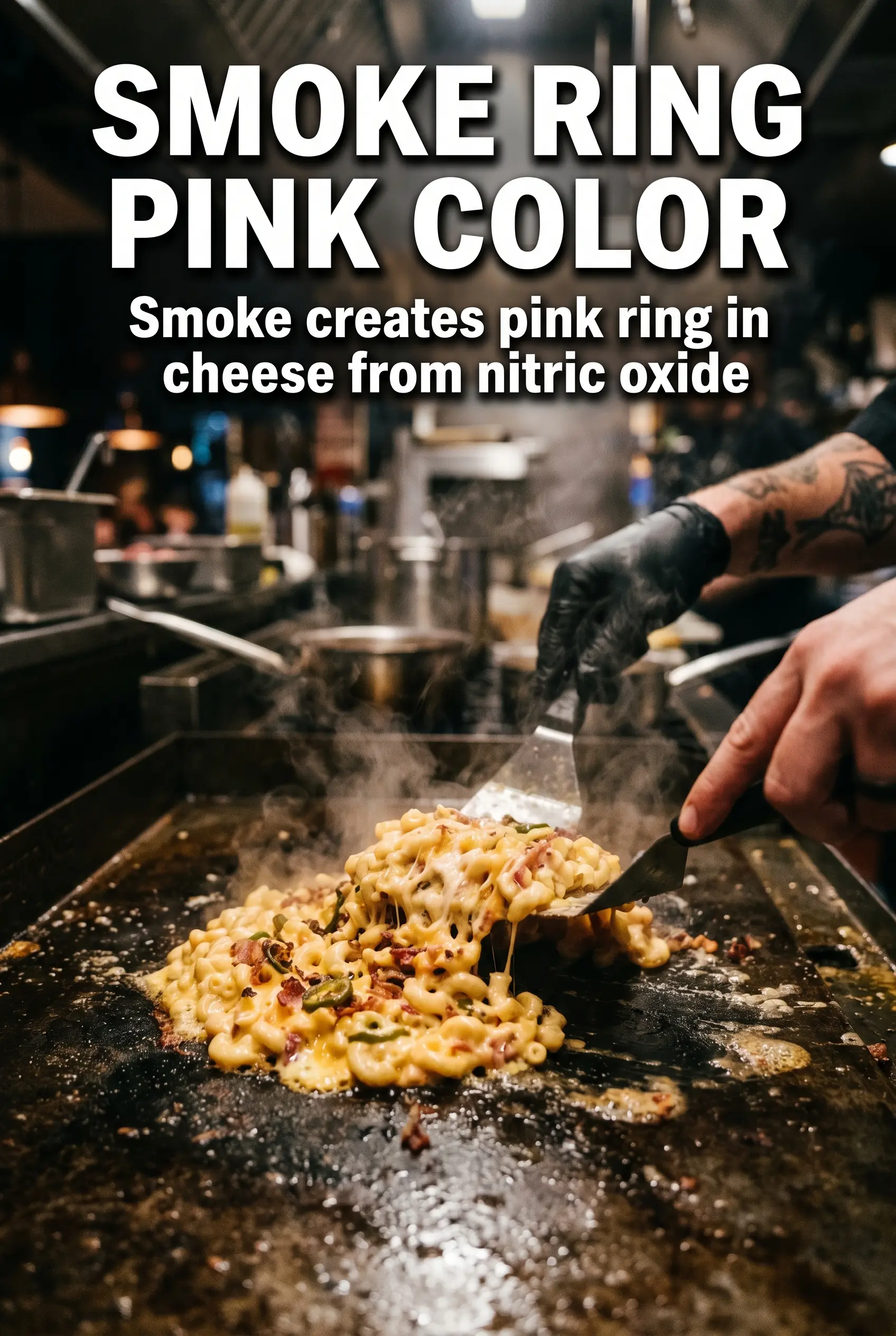
Smoked Mac And Cheese
Ingredients
Equipment
Method
- Prepare smoker to 225°F and keep the temperature steady before placing the pan inside. Visual cue: thin, consistent smoke should be visible when you open the door.
- Melt the butter, then whisk in the flour to form a smooth roux. Visual cue: the mixture should look glossy and thick like wet sand.
- Whisk in the milk and heavy cream, then continue whisking until the sauce becomes smooth and slightly thickened. Visual cue: slow bubbles may begin at the edges as you stir.
- Add the sharp cheddar and smoked Gouda and whisk until melted and fully combined. Visual cue: the sauce turns silky and uniform without cheese clumps.
- Season the sauce with garlic powder, plus salt and pepper, and whisk to distribute evenly. Visual cue: taste should be balanced with a savory, cheesy finish.
- Mix the cooked elbow macaroni with the cheese sauce until every noodle is coated. Visual cue: pasta should look evenly coated and creamy, not dry.
- Transfer to an aluminum pan, then top with the panko breadcrumbs mixed with the melted butter. Visual cue: topping should be evenly scattered, forming a thin, golden layer.
- Smoke at 225°F for 60-90 minutes until the mac and cheese is bubbly at the edges and the top turns golden. Visual cue: you should see active bubbling and hear gentle crackling from the crust.
- Let the mac and cheese rest for 10 minutes before serving. Visual cue: bubbling calms and the surface firms up slightly so it scoops cleanly.