Mustard potato salad hits that sweet spot between creamy and sharp, with enough tang to cut through rich meals and enough body to hold together on the plate. The potatoes stay tender without turning mushy, and the dressing clings instead of pooling at the bottom of the bowl. It’s the kind of side dish that disappears first because it tastes familiar, but the mustard gives it a little more personality than the usual potato salad.
Yukon golds are the right choice here because they keep a velvety texture after boiling and still hold their shape when tossed. The dressing uses both mayonnaise and two kinds of mustard, which gives you creaminess plus depth: yellow mustard for that classic picnic flavor and Dijon for a quieter, sharper bite. The vinegar and sugar pull the edges into balance so the salad tastes bright instead of heavy.
Below, I’ve included the small details that matter most, including when to dress the potatoes and why the chilling time changes the texture in a good way. If you’ve had potato salad turn bland or watery before, this version fixes both problems.
The dressing thickened up after chilling and coated every potato instead of sliding off. I used the Dijon like you suggested and the mustard flavor was just right, not overpowering.
Save this mustard potato salad for cookouts, potlucks, and any meal that needs a tangy side with real mustard flavor.
The Trick Is Balancing Tang Without Making It Sharp
Mustard potato salad can go wrong when the dressing leans too far in one direction. Too much mustard and it tastes aggressive. Too much mayonnaise and it turns flat. This version stays in the middle by using yellow mustard for that classic picnic flavor and Dijon for structure and depth, then softening the whole thing with a little sugar and vinegar.
The other thing that matters is the potatoes themselves. Yukon golds hold onto their shape but still absorb the dressing, which means the salad tastes seasoned all the way through instead of just on the surface. If you use a waxy potato with less flavor, the mustard has to work harder. If you use a starchy potato, the salad can turn pasty as you stir it.
- Yukon gold potatoes — These give you a creamy bite without falling apart. Cut them into even cubes so they cook at the same rate.
- Yellow mustard — This brings the familiar color and flavor people expect from mustard potato salad. It’s not just for looks.
- Dijon mustard — Dijon adds a sharper, more rounded mustard note. If you only use yellow mustard, the salad tastes one-dimensional.
- White vinegar — A little acid wakes up the dressing and keeps it from tasting heavy. Apple cider vinegar works in a pinch, but it brings a softer edge.
What Each Ingredient Is Actually Doing in Tangy Balance
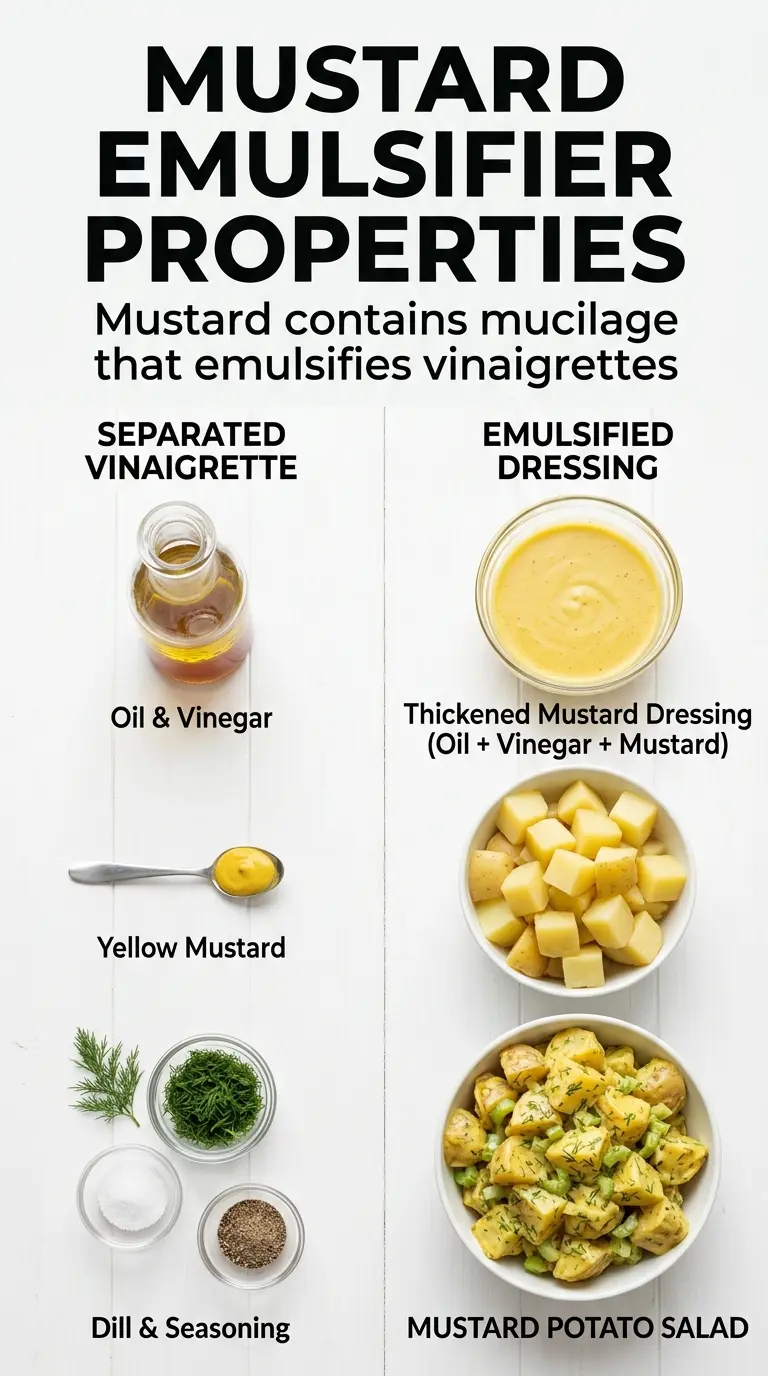
- Acid (vinegar, lemon, or citrus juice) — The acid adds tang. The amount determines how sharp it tastes, so start light and adjust up.
- Sugar or honey to round the edges — Sweetness balances the acid and prevents it from tasting harsh. Just enough that you don’t taste it as “sweet.”
- Salt to enhance flavor — Salt makes the tang taste more integrated instead of sharp. It also helps activate other flavors.
- Fat (oil, butter, or mayo base) — Fat carries the tang throughout and softens how sharp it tastes. It also helps the dressing coat evenly.
- Fresh herbs (especially citrus herbs) — Herbs like dill, parsley, or basil add brightness that complements the tang. They should be fresh and vibrant.
- Optional: Dijon mustard — A small amount adds savory depth and helps balance the acid. It also helps emulsify the dressing.
- Time to meld (at least 30 minutes) — The tang needs time to integrate with the other flavors. Fresh dressing tastes sharp; rested dressing tastes balanced.
- Taste test after resting — Never judge the tang of a fresh dressing. Taste it after it’s sat for a bit to get a true sense of the balance.
Building the Salad So the Dressing Clings Instead of Sliding Off
Cook the Potatoes Until Just Tender
Start the cubed potatoes in salted water and cook them until a fork slides in without resistance, but the cubes still hold their edges. If they’re cooked past that point, they’ll break apart when you mix the salad and the dressing will turn gluey. Drain them well and let them cool just enough that they’re not steaming hot, since excess steam can thin the dressing and wash away flavor.
Mix the Dressing Before It Touches the Potatoes
Stir the mayonnaise, yellow mustard, Dijon, vinegar, sugar, salt, and pepper together in a separate bowl until smooth. This keeps the mustard evenly distributed, which matters because you want each bite to taste balanced, not streaky. If the dressing tastes a little too sharp at this stage, that’s normal; the potatoes soften the edge once everything chills.
Toss Gently, Then Let Time Do the Rest
Add the potatoes, celery, onion, and chopped eggs, then fold in the dressing until everything is coated. Don’t stir hard or the potatoes will mash on the bottom of the bowl. The salad needs at least two hours in the refrigerator because the chilling time lets the flavors settle and thickens the dressing enough to coat instead of slide.
Make It Brighter With More Vinegar
If you like a sharper potato salad, increase the vinegar by 1 teaspoon at a time. That extra acid makes the mustard pop and cuts the richness of the mayonnaise, but too much will thin the dressing and push it into pickly territory.
Dairy-Free Version
This recipe is naturally dairy-free as written, as long as your mayonnaise is dairy-free, which most are. The texture stays creamy and the mustard still carries the flavor, so you don’t lose anything by keeping it this way.
Swap the Eggs for a Cleaner Bite
If you prefer a firmer, less rich salad, leave out the eggs and add an extra spoonful of celery. You’ll lose a little of the classic picnic softness, but the salad will taste lighter and the mustard flavor will come through more clearly.
How to Make It Ahead for a Crowd
You can make the salad a full day ahead. In fact, it tastes better after the flavors have had time to settle, but hold back a small spoonful of dressing if you want to freshen it up before serving. Stir that in right before it hits the table if the salad seems a little dry after chilling.
Storage and Reheating
- Refrigerator: Store covered for up to 4 days. The potatoes will soften slightly, but the flavor stays good.
- Freezer: I don’t recommend freezing this salad. The mayonnaise-based dressing separates and the potatoes turn grainy after thawing.
- Reheating: This salad is meant to be served cold. If it’s been in the fridge a while, let it sit out for 10 to 15 minutes so the dressing loosens up before serving.
Answers to the Questions Worth Asking
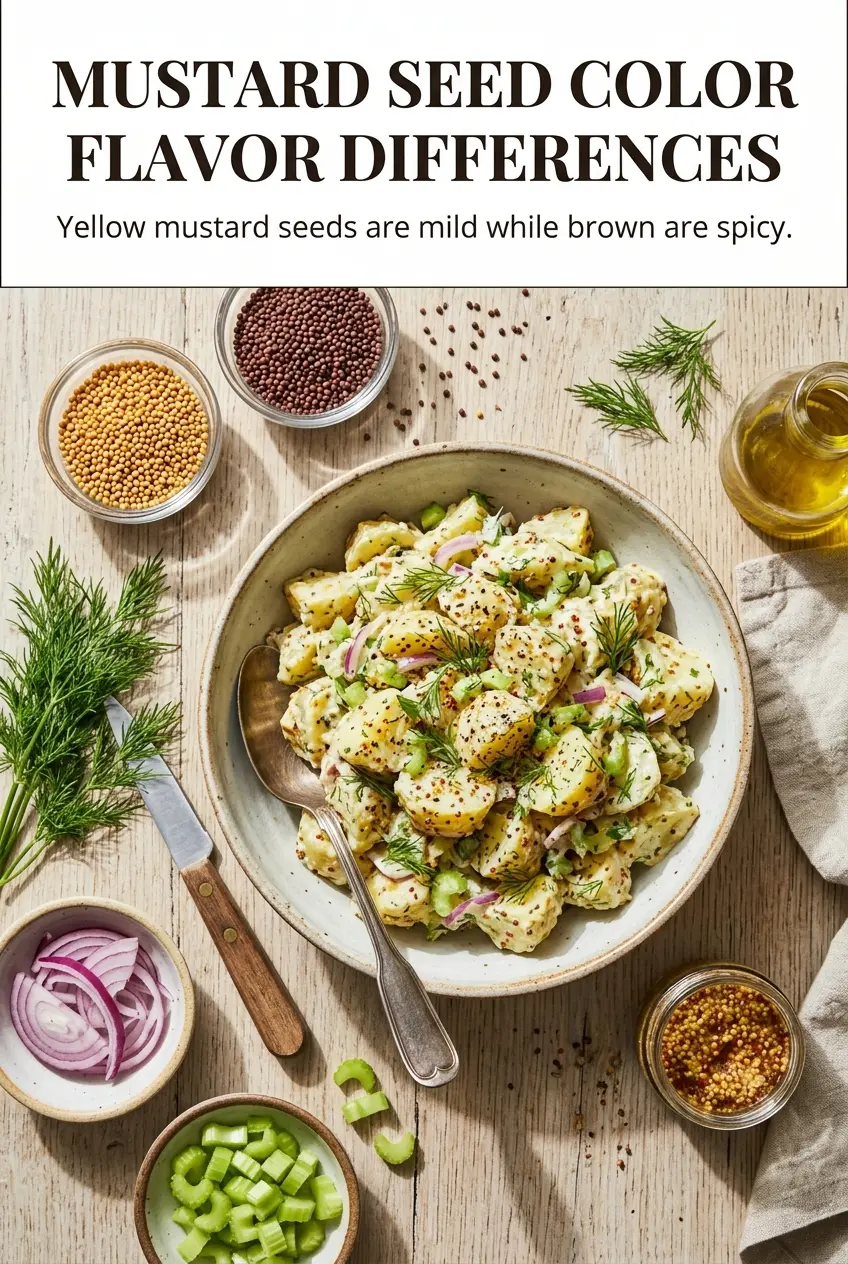
Mustard Potato Salad
Ingredients
Method
- Bring a pot of water to a boil, then cook the Yukon gold potatoes until tender, about 20 minutes. You should be able to pierce a cube easily with a fork; reduce heat as needed to maintain a steady simmer.
- Drain the potatoes and spread them out to cool until no longer hot, about 10 minutes. The surface should look dry and matte so the dressing won’t thin out.
- In a bowl, whisk together mayonnaise, yellow mustard, Dijon mustard, white vinegar, sugar, salt, and pepper until smooth, about 1 minute. The mixture should be glossy and evenly yellow without streaks.
- Add celery, onion, and chopped hard-boiled eggs to the cooled potatoes and toss gently until evenly distributed. The mix-ins should be visible throughout the potato cubes.
- Pour the mustard dressing over the potato mixture and toss well to coat every piece. After tossing, the potatoes should look lightly creamy rather than watery.
- Refrigerate the salad for 2 hours before serving, keeping it covered. It should thicken slightly and taste more tangy as it chills.