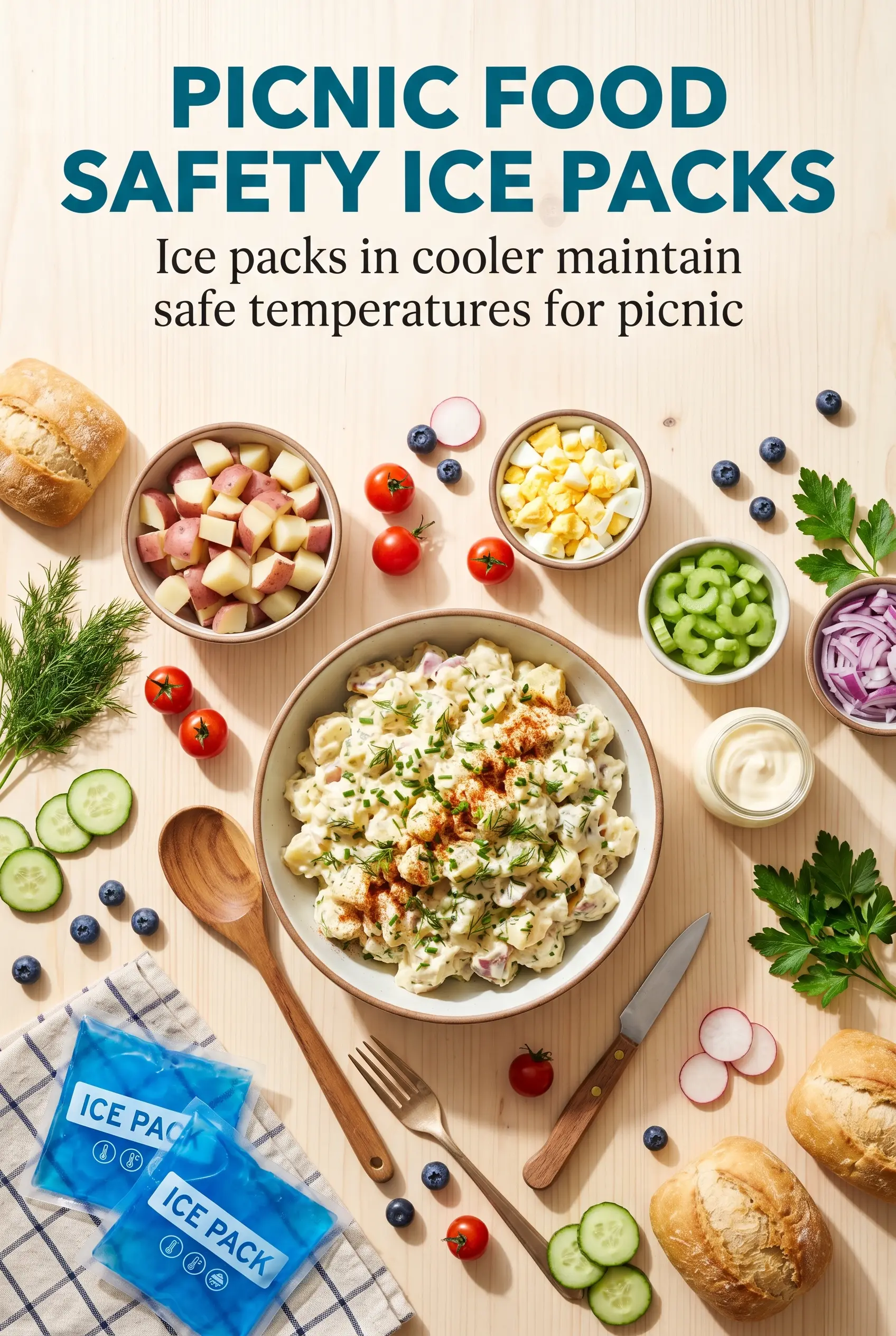
Cold, creamy potato salad lives or dies on texture, and this version gets the balance right: tender potato chunks, chopped egg, a little crunch from celery, and just enough tang to keep the mayonnaise from tasting heavy. It’s the kind of side dish that disappears first at a picnic because it tastes familiar, but not flat.
The trick is starting with russet potatoes and cooling them completely before the dressing goes on. Warm potatoes soak up seasoning fast, but they also turn the mayo loose and make the salad soggy. A touch of vinegar in the dressing sharpens everything, and the relish adds sweetness without making the whole bowl taste sugary.
Below you’ll find the small details that keep the potatoes intact, why the dressing tastes better after a rest, and a few smart swaps if you need to work with what’s already in the fridge.
The potatoes held their shape after chilling, and the dressing soaked in just enough overnight that it tasted even better the next day. I’ve made a lot of potato salads, and this one had the right creamy texture without turning gluey.
Love classic picnic potato salad? Save this creamy, tangy version for cookouts and potlucks.
The Detail That Keeps This Potato Salad Creamy Instead of Mushy
Potato salad goes sideways when the potatoes are treated like they need to be mashed later. Russets are soft enough to give you that classic tender bite, but they need to be drained well and cooled all the way down before mixing. If they’re still warm, they keep breaking apart and the mayonnaise thins out instead of coating each piece.
The other thing that matters is gentle folding. Stirring hard knocks the potatoes into rubble, and once that happens there’s no fixing the texture. The salad should look coated and a little rustic, with visible pieces of egg and celery, not a smooth paste.
- Cool the potatoes completely — This is the line between a salad that holds up and one that turns loose in the bowl.
- Use russets for the traditional texture — They break down a little at the edges and soak up seasoning well. Waxy potatoes stay firmer, but the salad tastes less classic.
- Fold, don’t beat — Use a wide spoon or spatula and stop as soon as everything is coated.
What Each Ingredient Is Actually Doing in This Salad
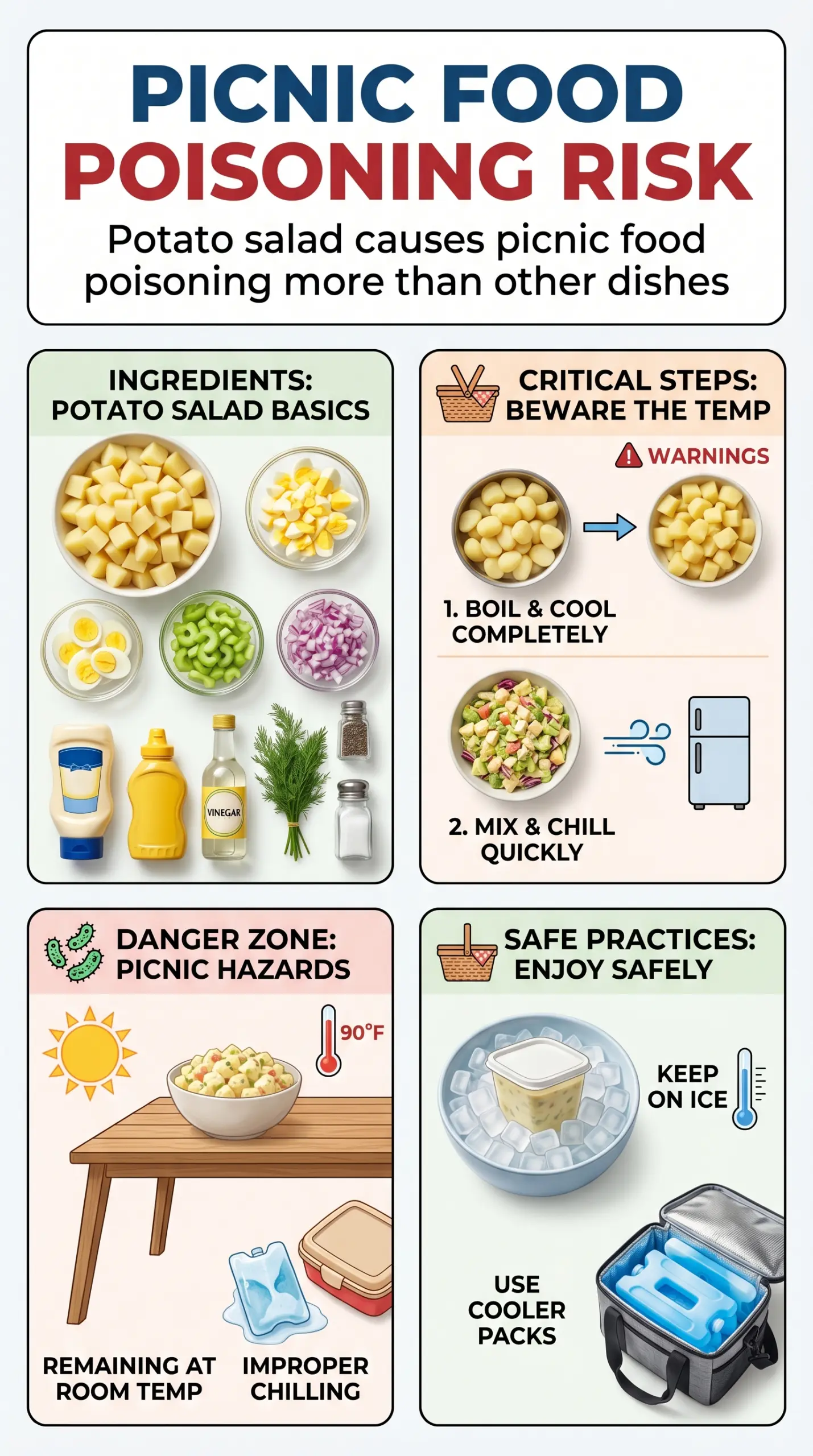
- Russet potatoes — These give you the soft, comforting base that defines old-fashioned potato salad. Peeled potatoes keep the texture smoother and more even.
- Mayonnaise — This is the body of the dressing. Use a mayo you like straight from the jar, because there’s nowhere for a bland one to hide.
- Yellow mustard and vinegar — These cut through the richness and keep the salad from tasting flat. The vinegar matters more than people think; it wakes up the potatoes after chilling.
- Sweet pickle relish — This adds sweetness, crunch, and a little briny edge all at once. If you only have chopped pickles, use them, then add a pinch more sugar if the salad tastes sharp.
- Hard-boiled eggs — They make the salad richer and give it that true picnic feel. Chop them fairly small so they blend into the bowl instead of turning the texture lumpy.
- Celery and onion — These are there for crunch and bite. Dice them finely so they support the salad instead of overpowering it.
Building the Bowl So the Dressing Clings, Not Slides Off
Cooking the Potatoes Until They Yield Cleanly
Boil the peeled, cubed potatoes until a knife slides in without resistance, but stop before the edges start to fray. If you overcook them, they’ll absorb too much water and fall apart when you stir in the dressing. Drain them well, then spread them out for a few minutes so steam can escape.
Mixing the Dressing Before It Hits the Bowl
Stir the mayonnaise, mustard, vinegar, sugar, salt, and pepper together before you add it to the potatoes. That gives you a smooth, evenly seasoned dressing instead of streaks of mustard or pockets of vinegar. Taste it now; it should be brighter than you want the finished salad to taste, because the potatoes will mellow it.
Folding Everything Together Without Crushing It
Add the dressing to the potato mixture and fold gently from the bottom up. The salad should look generously coated, not soupy. If it seems dry at first, let it sit a few minutes before adding more dressing, because the potatoes keep absorbing as they rest.
Chilling Until the Flavor Settles
Cover the bowl and refrigerate for at least 3 hours. That resting time matters because the mustard, vinegar, and relish need time to work into the potatoes. Right before serving, give it one more gentle stir and add paprika on top for that classic finish.
Three Ways to Adapt This Picnic Potato Salad
Dairy-Free and Naturally Gluten-Free
This recipe already works for both dairy-free and gluten-free eaters as written, as long as your mayonnaise and mustard are labeled accordingly. That’s one reason this salad shows up at potlucks so often — it covers a lot of tables without extra work.
Swap Sweet Relish for Dill Pickles
If you want a sharper, more savory salad, use finely chopped dill pickles instead of sweet relish. The flavor gets less sweet and a little more briny, so add a pinch of sugar only if the dressing tastes too sharp after chilling.
Make It More Tangy
Add another teaspoon of vinegar or a spoonful of the pickle juice if you like a sharper potato salad. The extra acidity helps if the mayo tastes heavy after the salad has chilled.
Storage and Reheating
- Refrigerator: Keep covered for up to 4 days. The potatoes soften a bit more each day, but the flavor gets better after the first chill.
- Freezer: This doesn’t freeze well. The mayonnaise separates and the potatoes turn grainy when thawed.
- Reheating: Don’t reheat this salad. Serve it cold straight from the fridge, and if it seems a little stiff, let it sit out for 10 to 15 minutes before serving so the dressing loosens slightly.