Caribbean jerk smoked pork earns its spot in the rotation because the outside turns into a dark, fragrant bark while the inside stays juicy enough to pull apart in big, smoky strands. The long smoke softens the heat from the peppers and pulls the allspice, thyme, and scallions into the meat until every bite tastes layered instead of just spicy.
What makes this version work is the overnight marinade and the low, steady smoker temperature. Scoring the pork shoulder gives the paste a place to sink in, and the brown sugar helps the surface caramelize without turning the crust bitter. If the smoke runs too hot, the sugars can scorch before the shoulder has time to tenderize, so keeping the pit in that 225 to 250°F range matters more than rushing it.
Below, I’ll walk through the one part that most often trips people up: how to build jerk flavor that stays bold after hours in the smoker, not thin or muddy. You’ll also find a few practical swaps and a temperature cue that tells you when the pork is actually ready to pull.
The bark set up beautifully and the pork held onto that smoky jerk seasoning all the way through. I pulled it at 198°F and it shredded in big juicy pieces, then the leftovers got even better the next day.
Like this smoky jerk pork? Save it for the nights when you want a charred bark, deep spice, and tender pulled pork straight from the smoker.
The Part Most People Miss: Jerk Flavor Needs Time to Set
The biggest mistake with jerk pork is treating the marinade like a surface seasoning. The garlic, thyme, scallions, peppers, allspice, cinnamon, and nutmeg need time in the fridge to work into the scored shoulder, because pork shoulder is thick enough to block fast flavoring. Overnight marinating isn’t a bonus here; it’s what keeps the finished meat from tasting like smoke with a vague spicy coating.
The second thing people miss is balance. Scotch bonnets bring clean heat, but the brown sugar and lime keep that heat from turning sharp or muddy after hours in the smoker. If the pork tastes flat at the end, the problem is usually not enough salt in the marinade or not enough time for the seasoning to penetrate before it goes on the pit.
What Each Jerk Ingredient Is Doing in the Smoker
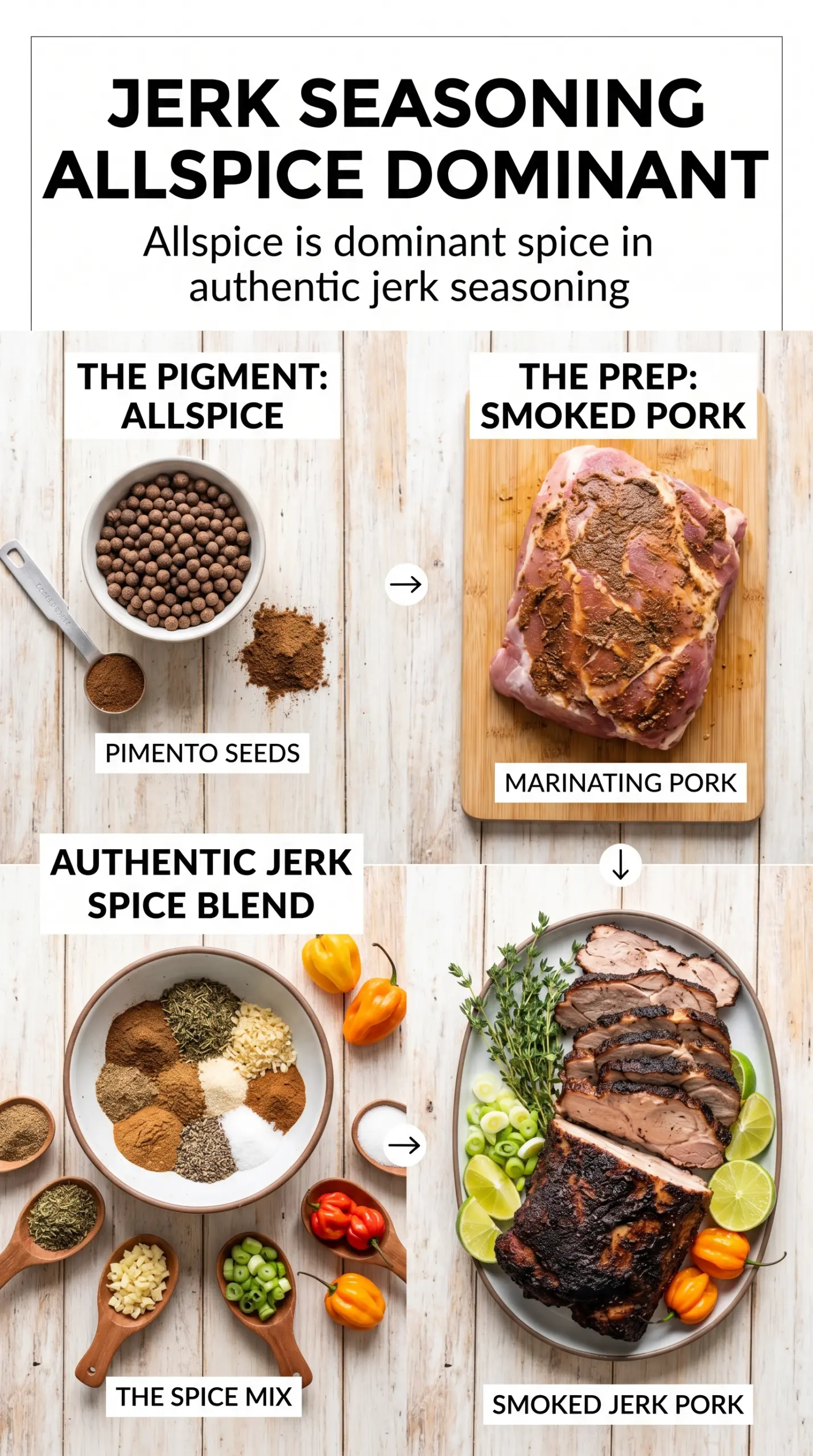
- Pork shoulder — This cut is built for low, slow smoke because the connective tissue breaks down into that pull-apart texture everyone wants. Lean cuts dry out before the jerk paste has time to mellow, so stick with shoulder if you want juicy shreds and a proper bark.
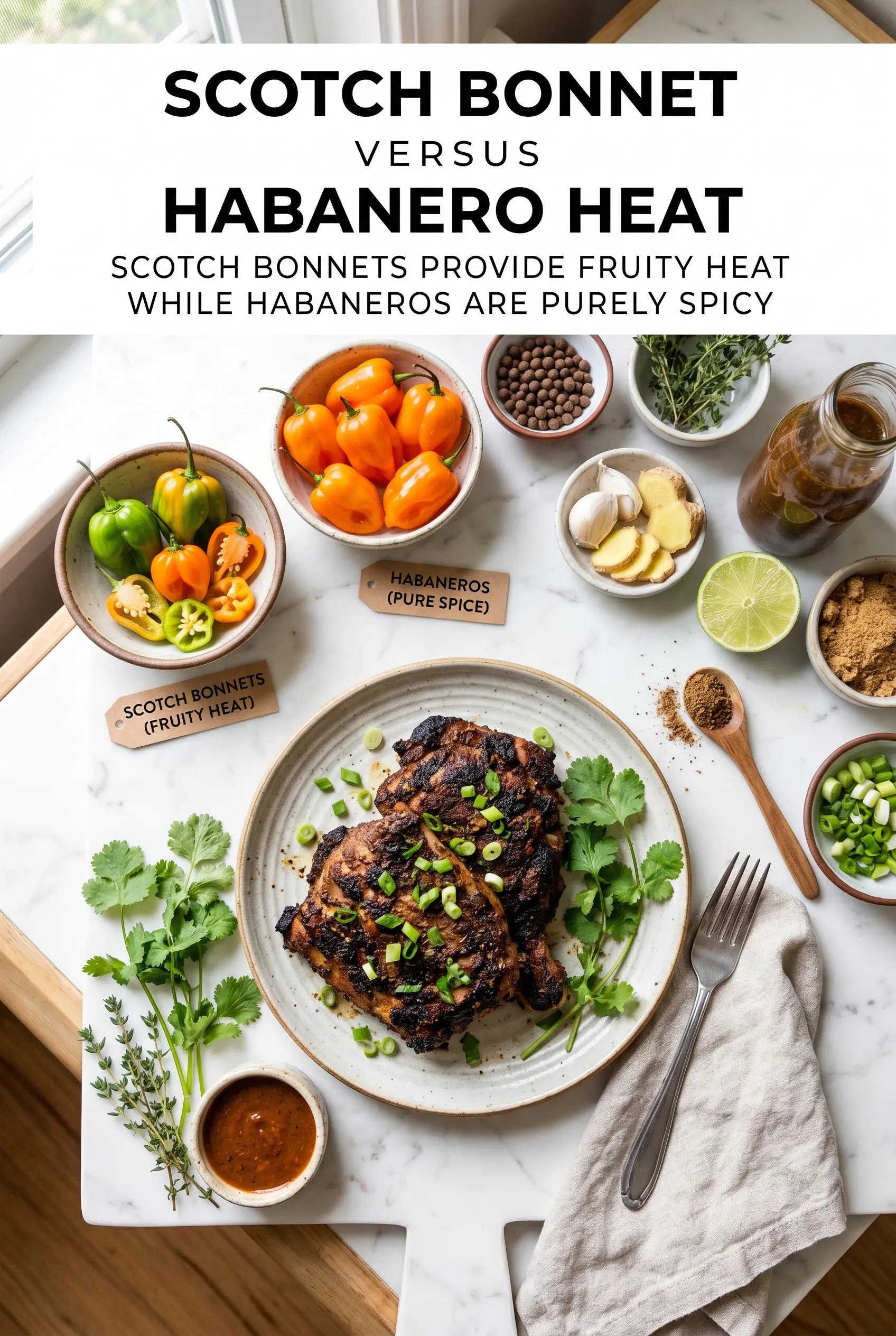
- Scotch bonnet peppers — They bring real Caribbean heat and a fruity edge that jalapeños just don’t match. If you’re sensitive to spice, seed them carefully, but don’t replace them with a milder pepper unless you want the flavor to shift a lot.
- Allspice, thyme, cinnamon, and nutmeg — This is the backbone of the jerk profile. The allspice carries the warm, clove-like note, while thyme and the smaller spices keep it savory instead of candy-like.
- Brown sugar and lime juice — Brown sugar helps the bark darken and gives the marinade enough body to cling to the meat, while lime brightens the heavy spice blend. You need both for balance; swapping one out makes the seasoning feel one-note.
- Soy sauce and oil — Soy adds salt and depth, and oil helps the marinade coat the pork evenly so the spices don’t clump. If you need a gluten-free option, use tamari or coconut aminos, but keep the amount close so the marinade doesn’t get too sweet.
How to Go from Marinade to Pull-Apart Pork Without Drying It Out
Building the Jerk Paste
Blend the scallions, peppers, garlic, thyme, brown sugar, allspice, black pepper, cinnamon, nutmeg, soy sauce, lime juice, and oil until the mixture turns smooth and spoonable. It should look like a thick green-brown paste, not a watery dressing. If it seems too loose, the marinade will slide off the pork instead of clinging to the scored surface.
Coating the Shoulder
Score the pork shoulder with shallow cuts, then work the marinade into every groove and crevice. The cuts don’t need to be deep; they just need to give the spice paste more surface area to grab. The goal is full coverage with a messy, even coating, not a thin glaze that disappears once the heat starts.
Smoking Low and Steady
Set the smoker for 225 to 250°F with fruit wood and keep the lid closed as much as you can. You want a slow build of smoke and color, not a blast of heat that tightens the meat before it has time to tenderize. If the bark gets dark too quickly, the smoker is running hot and the sugars in the marinade are taking the punishment instead of the pork.
Knowing When It Is Done
Smoke the pork until the internal temperature lands between 195 and 203°F. That range matters because shoulder needs to climb past the point where collagen has fully broken down, or it will slice fine but won’t pull cleanly. When a probe slides in with almost no resistance and the meat feels soft around the bone, it’s ready.
Resting Before the Pull
Let the pork rest for 30 minutes after it comes off the smoker. This keeps the juices from running out the second you start shredding, and it gives the bark a chance to settle so it doesn’t disappear into the meat. If you pull it hot and fast, the exterior seasoning gets lost in the steam.
How to Adapt This for Different Heat Levels, Diets, and Leftovers
Milder Jerk Pork
Seed the scotch bonnets and use just two peppers instead of four if you want a softer burn. You’ll still get the unmistakable jerk character from the thyme, allspice, and scallions, but the heat will sit in the background instead of taking over the plate.
Gluten-Free Version
Swap the soy sauce for tamari or coconut aminos. Tamari keeps the savory depth closest to the original, while coconut aminos add a little sweetness, so if you use them, cut the brown sugar back slightly.
Oven Finish After Smoking
If your smoker runs out of steam or the weather turns bad, move the shoulder to a 300°F oven once the bark is set. You won’t get quite as much smoke flavor in the final stretch, but you will keep the cook moving without drying out the exterior.
Storage and Reheating
- Refrigerator: Store pulled pork in an airtight container for up to 4 days. It stays juicy if you keep a little of the cooking juices with it.
- Freezer: It freezes well for up to 3 months. Portion it into flat freezer bags so it thaws faster and reheats more evenly.
- Reheating: Reheat gently in a covered skillet or low oven with a splash of the reserved juices or a little water. High heat dries out pulled pork fast, especially once it’s already been shredded.
Questions I Get Asked About This Recipe
Caribbean Jerk Smoked Pork
Ingredients
Equipment
Method
- Blend green onions, scotch bonnet peppers, garlic, fresh thyme, brown sugar, allspice, black pepper, cinnamon, nutmeg, soy sauce, lime juice, and vegetable oil until smooth.
- Score pork shoulder deeply in a crisscross pattern so the marinade can get into the cuts.
- Rub the jerk marinade all over pork shoulder, pressing it into the scored cuts to form an even spice coating.
- Marinate the pork shoulder overnight in the refrigerator so the flavors soak in.
- Prepare smoker to 225-250°F with fruit wood for smoky Caribbean flavor.
- Smoke pork shoulder for 6-8 hours until the internal temperature reaches 195-203°F, watching for a dark charred bark as it cooks.
- Let smoked pork rest for 30 minutes so juices redistribute before pulling.
- Pull the pork shoulder into shredded pieces while warm, aiming to keep the smoky bark attached to some strands for texture.
- Serve the pulled jerk pork with your preferred island sides, ensuring the spice crust and smoke ring are visible.