Red potato salad lands on the table with the kind of creamy, cool bite that keeps people spooning back for one more serving. The skin-on potatoes hold their shape better than russets, so you get tender pieces with a little structure instead of a bowl that turns soft and pasty. That rustic look is part of the appeal, but the real win is the balance: creamy dressing, sharp mustard, bright vinegar, and enough crunch from celery and onion to keep every bite interesting.
The trick is cooking the potatoes until they’re just tender, then letting them cool enough to stop steaming before the dressing goes on. If they’re hot, they drink up too much mayonnaise and the salad can turn heavy. A short chill gives the vinegar and mustard time to settle in, which is why this tastes better after it rests than it does straight from the bowl.
Below, I’ve included the small details that make the difference, from the best texture for the potatoes to the swaps that still keep this salad sturdy and fresh.
I loved that the potatoes stayed in nice chunks instead of falling apart, and the dressing had just enough tang after the chill time. The celery stayed crisp and made the whole bowl taste fresh.
Love a creamy red potato salad with skin-on chunks and tangy mustard dressing? Save this one for picnics, cookouts, and easy make-ahead sides.
The Reason Skin-On Potatoes Hold Up Better in Potato Salad
Red potatoes earn their keep here because they stay intact after boiling. That waxy texture means the cubes hold their edges, which gives you a salad with a clean bite instead of a mashed texture hiding under dressing. Leaving the skins on adds a little extra flavor and keeps the whole bowl looking casual and real, which is exactly what this salad should be.
The mistake most people make is cooking the potatoes until they’re falling apart. Pull them the moment a knife slides in with a little resistance. They should be tender all the way through, but still firm enough to keep their shape when you toss them with the dressing.
- Red potatoes — These are the backbone of the dish. Their low starch content keeps the salad from turning gluey, and the skin gives each piece more structure. Yukon Golds work in a pinch, but russets will break down too much.
- Dijon mustard — This is doing more than adding flavor. It sharpens the dressing and helps it feel lighter, even though mayonnaise is the base. Yellow mustard will work, but the flavor will be softer and less clean.
- White wine vinegar — The vinegar cuts through the richness and wakes up the potatoes. If you don’t have it, apple cider vinegar is the best swap, though it brings a slightly fruitier edge.
- Celery and red onion — These keep the salad from tasting flat after chilling. Dice them small so they distribute evenly without overpowering the potatoes in one bite.
What Each Ingredient Is Actually Doing in This Salad
Mayonnaise gives the salad its body and makes the dressing cling to the potatoes instead of sliding off. Use a good-tasting mayo here, since it’s the main flavor base. If you want a slightly lighter result, swap in half sour cream, but expect a tangier, less plush dressing.
Fresh parsley adds a green finish that keeps the bowl from tasting heavy after a few hours in the fridge. Don’t skip it unless you have to. Dried parsley won’t give the same clean, fresh lift.
Salt and pepper matter at two points: in the dressing and again after everything is combined. Potatoes absorb seasoning as they sit, so the salad should taste a touch bold right before chilling. That’s how it still tastes balanced after the cold dulls the flavors a little.
Building the Dressing Before the Potatoes Go In
Mix the base until it tastes slightly sharper than you expect
Stir the mayonnaise, Dijon, vinegar, salt, and pepper together before you touch the potatoes. The dressing should taste a little punchy on its own because the potatoes will soften that edge once they’re coated. If the mixture tastes flat at this stage, it’ll taste even flatter after the chill.
Cool the potatoes until the steam is gone
Drain the potatoes well and spread them out for a few minutes if they’re holding a lot of heat. Hot potatoes can absorb too much dressing and smear the cubes instead of coating them. You want them warm or room temperature, not steamy.
Toss gently so the pieces stay intact
Add the potatoes, celery, onion, and parsley to the bowl, then fold everything together with a wide spoon or spatula. Use a light hand. If you stir aggressively, the edges of the potatoes will break down and the salad turns heavy fast.
Chill long enough for the flavors to settle
Refrigerate the salad for at least 2 hours before serving. That resting time is when the vinegar and mustard mellow into the mayonnaise and the seasoning evens out across the bowl. If you serve it too early, it can taste like separate parts instead of one finished salad.
Make it a little tangier
Add an extra teaspoon of vinegar or another half tablespoon of Dijon if you like a brighter dressing. This doesn’t change the texture, but it does make the salad cut through richer mains a little better.
Swap in Greek yogurt for part of the mayo
Use half mayonnaise and half plain Greek yogurt for a lighter version. The salad will taste sharper and a little less rich, and the dressing will be slightly looser, but it still coats the potatoes well if you chill it properly.
Make it dairy-free without changing the method
This recipe is already naturally dairy-free if your mayonnaise is dairy-free, which most standard brands are. That makes it an easy picnic side when you need something creamy without bringing in any milk or cheese.
Add chopped hard-boiled eggs for a fuller side dish
Fold in 2 or 3 chopped hard-boiled eggs if you want a more classic deli-style potato salad. The eggs make it richer and more filling, but they also soften the clean bite a little, so I’d only do this when you want the salad to lean hearty.
Storage and Reheating
- Refrigerator: Keeps well for 3 to 4 days. The potatoes soften a little more as it sits, but the flavor gets better by day two.
- Freezer: I don’t recommend freezing this salad. Mayonnaise separates after thawing, and the potatoes turn grainy and watery.
- Reheating: This salad is meant to be served cold or cool. If it has been chilled hard, let it sit on the counter for 15 to 20 minutes before serving so the dressing loosens and the flavors come back.
Answers to the Questions Worth Asking
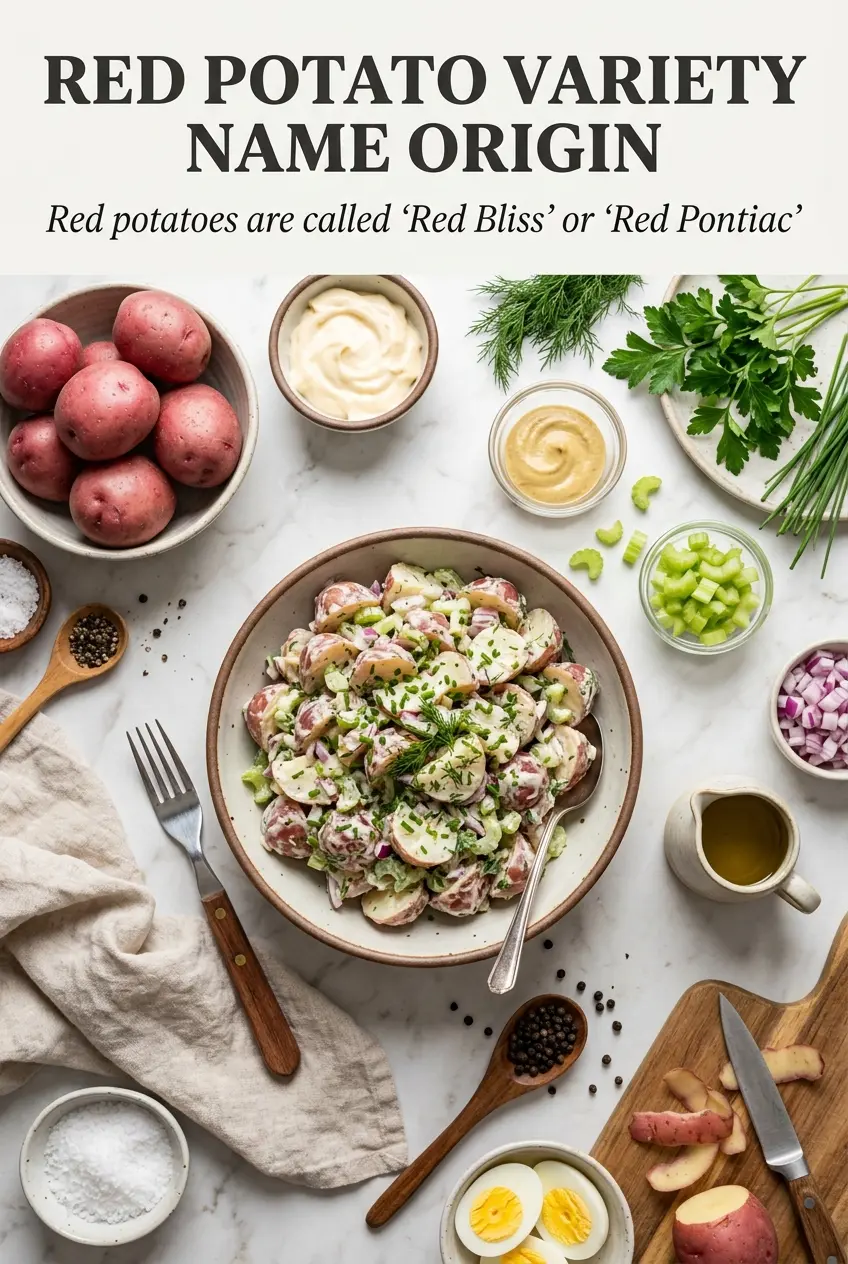
Red Potato Salad
Ingredients
Equipment
Method
- Bring a pot of water to a boil over high heat, then add the red potato cubes (skin on) and cook until tender, 10–15 minutes. Visual cue: a knife slides in easily with little resistance.
- Drain the potatoes in a colander and cool to room temperature, about 20 minutes. Visual cue: the cubes lose their surface steam and feel cool to the touch.
- In a bowl, mix mayonnaise, Dijon mustard, white wine vinegar, salt, and pepper until smooth and creamy. Visual cue: the dressing turns a light, even color without streaks.
- Add the cooled potatoes, celery, red onion, and fresh parsley to the dressing. Visual cue: the potatoes are evenly coated and no dry pockets remain.
- Pour the dressing over the potato mixture and toss well until thoroughly combined. Visual cue: the salad looks glossy and cohesive.
- Refrigerate the salad for at least 2 hours before serving. Visual cue: the mixture thickens slightly and tastes fully seasoned.