Honey baked ham comes out with a crackly, burnished crust and slices that stay juicy all the way through. The sweet glaze clings to the spiral cuts, so every piece gets a little hit of honey, butter, and warm spice instead of just sitting on the outside. It’s the kind of centerpiece that looks polished on the platter but doesn’t ask for complicated work in the kitchen.
What makes this version work is the layering. The ham heats gently first so the meat stays tender, then the honey butter and spiced sugar go on in rounds after the foil comes off. That repeated glazing builds a crust that caramelizes instead of slipping off in one sticky sheet. The high heat at the end is brief, which keeps the sugar from burning before the surface turns crisp.
Below, I’ve included the details that matter most: how to keep a spiral ham from drying out, why the sugar mixture should go on in thin layers, and what to do if the crust is browning faster than you want.
The crust turned out crackly instead of sticky, and the spiral slices soaked up the honey butter all the way through. I used the thermometer exactly like you said and the ham stayed juicy even after the last blast of heat.
Save this honey baked ham for the next holiday table when you want a glossy spiral-sliced centerpiece with a crackly spiced crust.
The Reason the Glaze Sticks Instead of Sliding Off
A spiral-sliced ham is already cooked, so the real job here isn’t “cooking” it from scratch. It’s heating it evenly without drying out the cut edges, then building a glaze that actually clings. The foil stage protects the meat while the final high-heat basting rounds melt the honey butter into the sugar so the crust sets instead of puddling in the pan.
The biggest mistake is rushing the glaze on too early or piling on a thick layer all at once. Thick sugar crusts can slump before they caramelize, and if the oven stays too hot for too long, the cloves and paprika can turn bitter. The repeat-brush method solves both problems by letting each layer melt, tighten, and brown before the next one goes on.
- Foil — Keeps the ham steaming gently during the first bake so the edges don’t harden before the center warms through.
- Honey and butter — This is the glue. The butter softens the honey so it brushes on cleanly and helps the sugar melt into a glossy crust.
- Brown sugar and granulated sugar — Brown sugar brings deeper caramel notes, while granulated sugar gives the crust that brittle, crackly finish.
- Cloves, cinnamon, ginger, nutmeg, allspice, and paprika — These spices give the glaze its classic holiday warmth, but they need the fat and sugar around them so they don’t taste sharp.
Building the Crust in Three Thin Layers
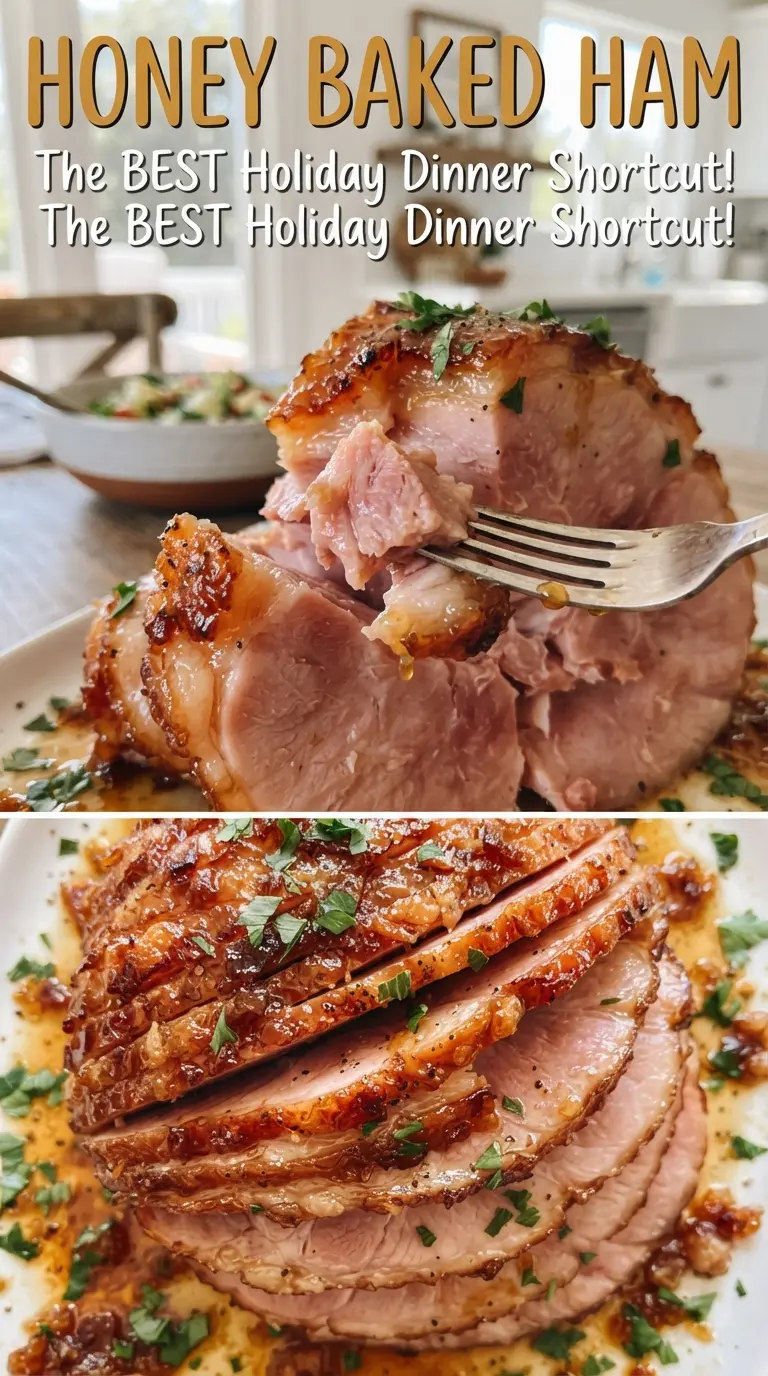
- Ham — Use a fully cooked bone-in spiral-sliced ham in the 8 to 9 pound range. Bone-in ham stays juicier, and the spiral cuts give the glaze somewhere to settle so every slice tastes seasoned. If your ham is slightly larger or smaller, the method still works; just lean on the thermometer instead of the clock.
- Honey — This is the backbone of the glaze. It brings shine and that sticky, rounded sweetness you can’t quite fake with plain sugar. If your honey is thick, warm it just enough with the butter so it brushes on smoothly.
- Butter — Butter makes the glaze spreadable and helps the sugar cling. Salted or unsalted both work, but unsalted gives you a cleaner read on the spice balance.
- Spices — The spice blend matters more than people think. Cinnamon and cloves give the classic ham-shop flavor, ginger and nutmeg add warmth, allspice pulls it together, and paprika deepens the color without making the crust taste smoky. Fresh spices aren’t required, but stale ones will taste flat here.
Heating It Gently, Then Caramelizing Fast
Covering and warming the ham
Set the ham cut-side down in the roasting pan and cover it tightly with foil. That cut-side-down position helps the juices stay in the meat instead of running out into the pan. Bake it until the center hits about 120°F, which usually takes 12 to 14 minutes per pound. If the foil leaks, the edges dry out first, so press it snugly around the pan before it goes in.
Making the honey butter and spiced sugar
Melt the honey and butter together just until smooth, then mix the sugars with all the spices in a separate bowl. Keep the sugar mixture loose and evenly combined so you don’t end up with clumps of clove or ginger in one spot. The glaze works best when it’s ready before the ham comes out, because the timing moves fast once the foil is off.
Glazing in rounds
Brush on a generous layer of honey butter, then pat on the spiced sugar. Raise the oven to 400°F and bake for 5 minutes, then repeat the brushing and sugaring two more times. Those thin rounds are what build a crackly shell; one heavy layer usually melts and slides right down into the pan. If the sugar starts darkening too quickly, stop after one or two rounds and let the heat do the rest.
Finishing to the right temperature
Keep baking until the crust is deep golden and the ham reaches 140°F. That final internal temperature is enough to warm the meat through without squeezing out the moisture. Rest it for 15 minutes before slicing so the juices settle. If you cut too soon, they run onto the platter instead of staying in the meat.
How to Adjust This Ham Without Losing the Crackly Crust
Maple Instead of Honey
Maple syrup can stand in for the honey if that’s what you have, but the glaze will taste a little less floral and a little more woodsy. Use the same amount and warm it with the butter so it brushes on easily. The crust still caramelizes well, just with a darker, deeper edge.
Gluten-Free by Default
This recipe is naturally gluten-free as written, so the only thing to watch is the ham label. Some spiral hams come with a packet or glaze that includes starch or wheat-based additives, so skip those and use the ingredients here instead. The method itself doesn’t need any changes.
Less Sweet, More Spice
If you want the crust a little less sugary, cut the granulated sugar back by 1/4 cup and keep the brown sugar as written. You’ll lose a touch of crackle, but the glaze still sets nicely and the spices come forward more. This version is good when you want the ham to taste a little less candy-like.
Storage and Reheating
- Refrigerator: Store leftovers tightly covered for 4 to 5 days. The crust softens in the fridge, but the flavor stays good.
- Freezer: Slices freeze well for up to 2 months. Wrap portions well and freeze with a little of the juices if you have them so the meat doesn’t dry out.
- Reheating: Reheat sliced ham covered at 300°F with a splash of water or pan juices until just warm. High heat dries spiral ham out fast, so don’t blast it in the oven or microwave it too long.
Answers to the Questions Worth Asking
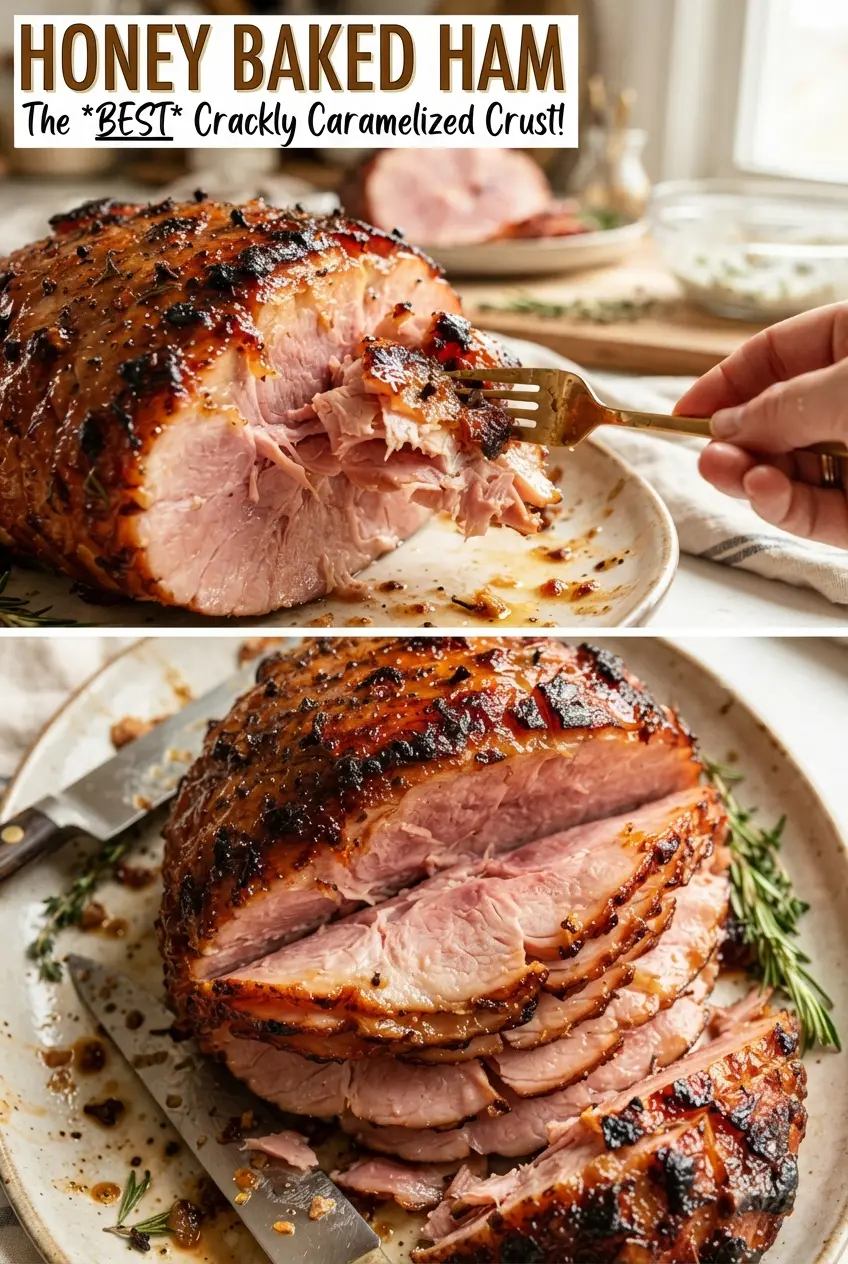
Honey Baked Ham
Ingredients
Equipment
Method
- Preheat the oven to 325F, place the ham cut-side down in a roasting pan, and cover tightly with foil. Bake 12–14 minutes per pound until the center reaches 120F, watching the ham stay covered for steady heating.
- Melt the honey and butter together. Mix the granulated sugar, brown sugar, cinnamon, cloves, ginger, nutmeg, allspice, and paprika in a separate bowl to form the spiced sugar crust.
- Remove the foil, brush the ham generously with the honey-butter, and pat on a layer of the spiced sugar. Raise the oven to 400F and bake 5 minutes.
- Brush the ham again with the honey-butter and pat on another layer of the spiced sugar. Bake 5 minutes at 400F.
- Brush the ham again with the honey-butter and pat on the final layer of the spiced sugar. Bake until the crust is deep golden and crackly and the ham reaches 140F inside.
- Rest the honey baked ham 15 minutes before serving to let juices set and keep slices moist. Serve warm with the crackly crust intact.