Southern squash casserole should come out tender, savory, and crowned with a buttery cracker crust that stays crisp at the edges while the center turns creamy and set. When it’s done right, the squash melts into the cheese and sour cream instead of turning watery, and every scoop holds together just long enough to land on the plate cleanly.
The difference between a good squash casserole and a soggy one comes down to two things: cooking off the squash’s moisture and not overworking the filling once the eggs go in. Yellow squash gives you a soft, mild base, but it carries a lot of water, so the draining step matters more than most people think. The Ritz topping adds salt, crunch, and a little richness that plain breadcrumbs just don’t bring.
Below, I’ve included the small details that keep the casserole from weeping in the pan, plus a few swaps that still keep the spirit of the dish intact. If you’ve ever had squash casserole collapse into a puddle, this version fixes that.
The squash stayed tender without turning watery, and the Ritz topping browned into the best crunchy crust. I drained it longer than I usually do, and that made all the difference.
Save this Southern squash casserole for the nights when you want a creamy squash side with a crisp buttery Ritz topping.
The Step People Skip That Keeps Squash Casserole from Going Watery
The biggest mistake with squash casserole is treating the squash like it can go straight from skillet to dish without losing enough moisture. Yellow squash softens fast, and once it starts to collapse, it releases liquid that can thin the filling and keep the center from setting properly. Draining it well after cooking isn’t optional here; it’s the difference between a slice that holds and one that slumps.
The other trap is adding the eggs to a mixture that’s still too hot. If the filling is piping hot, the eggs start tightening before the casserole goes in the oven, which can give you a grainy texture. Let the squash mixture cool just enough that it’s warm, not steaming, before you fold in the eggs and sour cream.
What Each Ingredient Is Actually Doing in This Casserole

- Yellow squash — This is the backbone of the dish, but it has to be cooked down and drained well so it doesn’t flood the casserole. Smaller, firm squash tend to have a better texture than oversized ones with seedy centers.
- Onion — It gives the casserole a little sweetness and keeps the filling from tasting flat. Dice it fine so it softens at the same pace as the squash.
- Sharp cheddar — Sharp cheddar brings enough flavor to stand up to the squash. Mild cheddar works, but the casserole tastes quieter and needs more seasoning.
- Sour cream and mayonnaise — These make the filling creamy and help it set without drying out. If you swap either one, you lose some of that rich, smooth texture that makes squash casserole worth serving.
- Ritz crackers — They’re there for salt, buttery flavor, and a topping that browns evenly. If you need a substitute, crushed butter crackers or plain breadcrumbs mixed with extra butter will work, but the topping won’t taste as rich.
Building the Filling So It Bakes Up Creamy, Not Loose
Cooking the Squash Until It Just Gives In
Start by cooking the squash and onion in butter until the squash is tender and the pan liquid has mostly cooked off. You want soft slices, not a browned vegetable sauté, so keep the heat moderate and stir often. If the squash is still holding its shape in stiff coins, it hasn’t cooked far enough to blend into the casserole the way it should.
Draining Off the Extra Moisture
Tip the squash into a colander and let it drain well before mixing in the other ingredients. Pressing it lightly with a spoon helps, but don’t mash it into a purée. If you skip this, the casserole can still taste fine, but the center will stay loose and the topping won’t have the contrast it needs.
Mixing Without Turning the Filling Heavy
Stir the cheddar, sour cream, mayonnaise, eggs, salt, and pepper together first, then fold in the squash gently. That keeps the squash pieces intact enough to give the casserole some texture. Once the eggs are in, stop mixing as soon as everything looks evenly combined; overmixing makes the filling dense and pasty.
Getting the Crust Golden and Crisp
Toss the crushed crackers with melted butter until every crumb is coated, then scatter them evenly over the top. The butter is what turns the topping from dry crumbs into a crisp, golden crust. Bake until the center is set and the top looks deeply browned at the edges; if the crust darkens too fast, loosely tent it with foil for the last part of baking.
Three Good Ways to Adjust This Southern Squash Casserole
Make It Gluten-Free
Swap the Ritz crackers for a gluten-free buttery cracker or crushed gluten-free crumbs mixed with melted butter. You’ll still get a crisp topping, but the flavor may be a little less rich unless you choose a cracker with good butter content.
Make It a Little Lighter
Use light sour cream and reduce the mayonnaise slightly if you want a softer, less rich filling. The casserole will still bake up creamy, but it won’t have quite the same custardy finish or depth.
Add More Cheddar Flavor
Replace a quarter of the cheddar with a sharp white cheddar or extra-sharp yellow cheddar. That gives the filling a stronger bite, but don’t go all-in on very aged cheese or the casserole can taste salty instead of balanced.
Storage and Reheating
- Refrigerator: Store covered for up to 4 days. The topping softens, but the filling stays creamy.
- Freezer: This casserole freezes, but the texture gets softer after thawing. For the best result, freeze before baking without the cracker topping, then add the topping just before it goes in the oven.
- Reheating: Warm leftovers in a 325F oven, covered loosely with foil, until heated through. The oven keeps the topping from turning soggy, which happens fast in the microwave.
Answers to the Questions Worth Asking
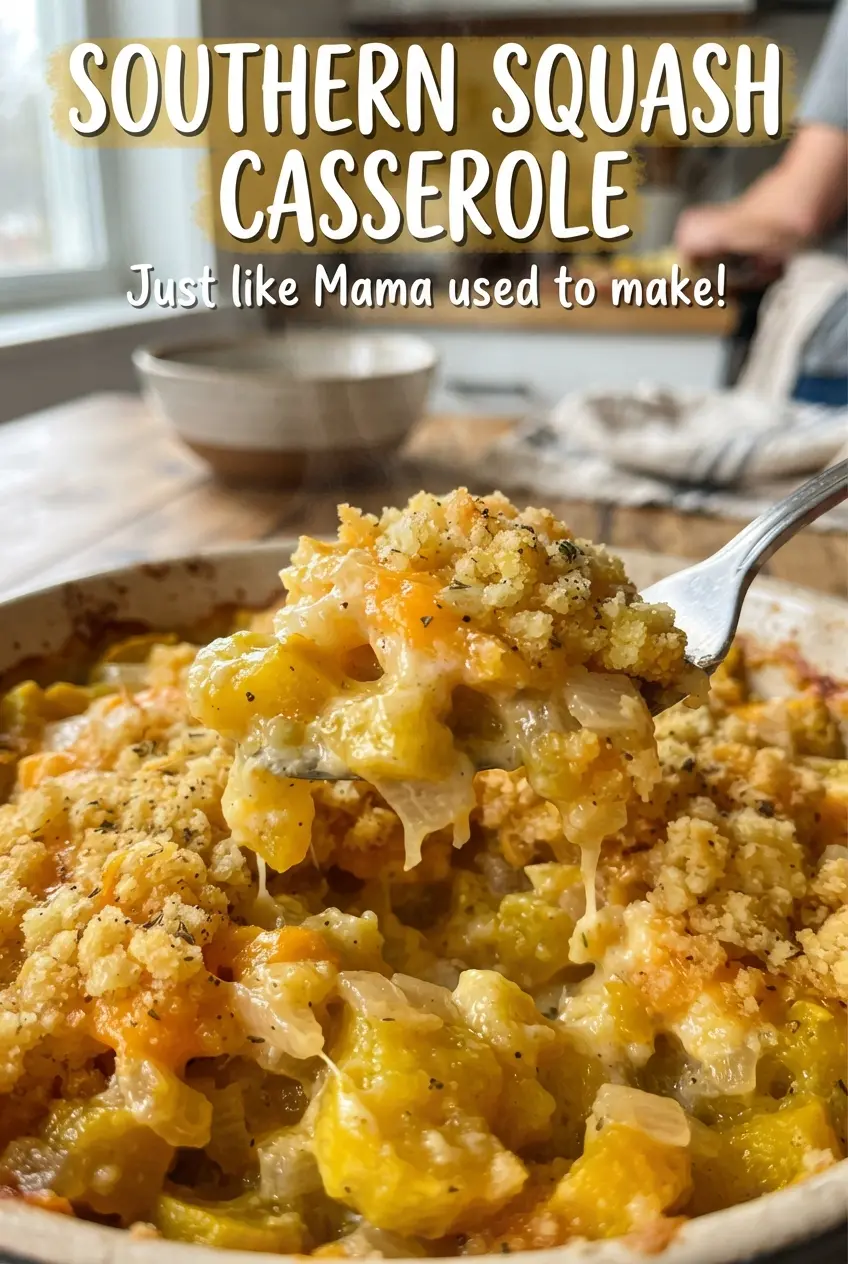
Southern Squash Casserole
Ingredients
Equipment
Method
- Preheat the oven to 350F, then grease a 9x13-inch baking dish.
- Slice the yellow squash and dice the onion so they’re ready to cook.
- Cook the squash and onion in the 2 tablespoons butter for 10-12 minutes until tender.
- Drain the cooked squash mixture well in a colander to prevent a watery casserole.
- Mix the cheddar, sour cream, mayonnaise, eggs, salt, and black pepper until smooth.
- Fold the drained squash mixture into the cheese mixture.
- Spread the mixture evenly into the prepared baking dish.
- Toss the crushed Ritz crackers with the melted butter, then sprinkle evenly over the top.
- Bake for 30-35 minutes at 350F until golden and set, with bubbling around the edges.